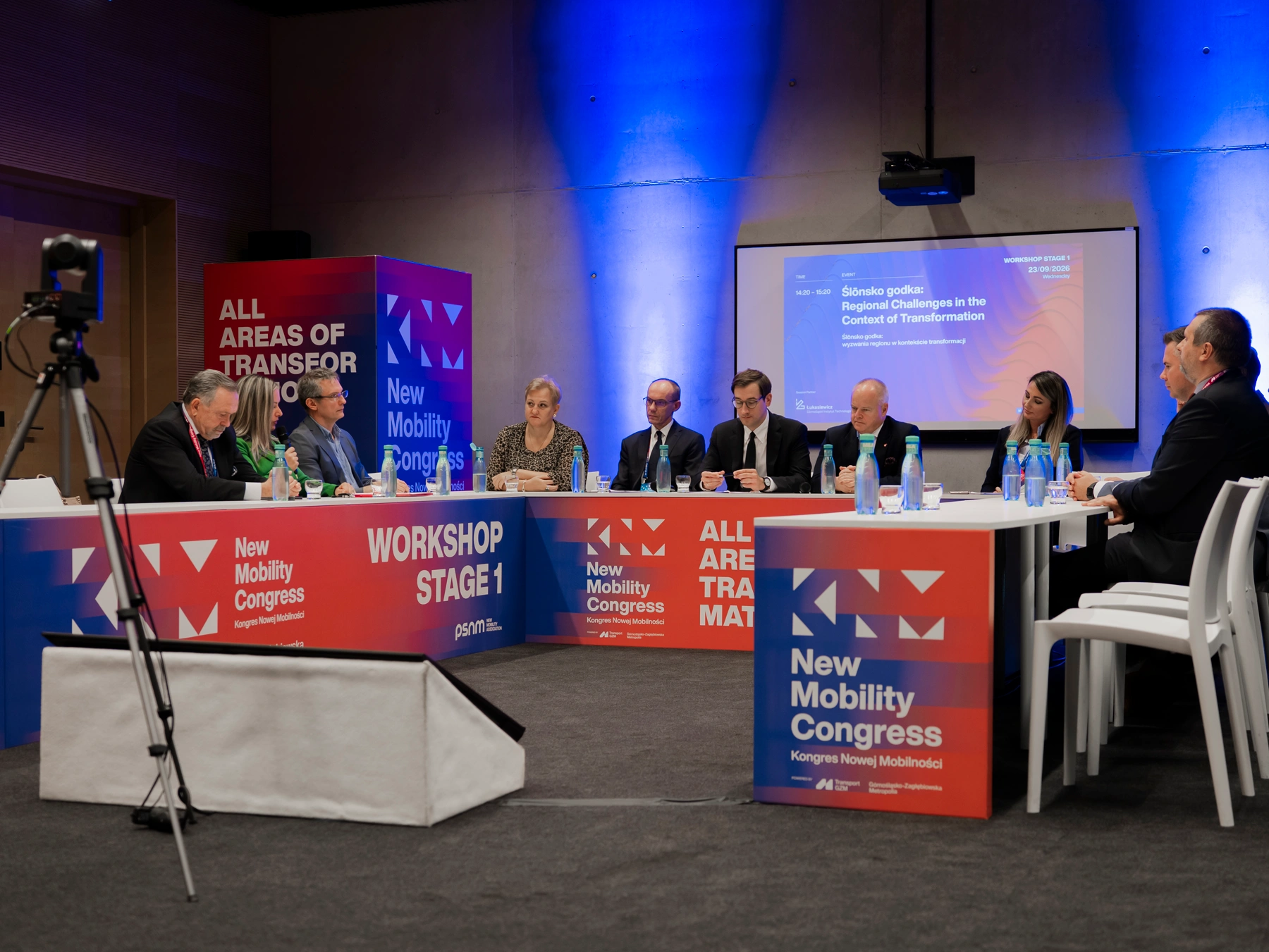
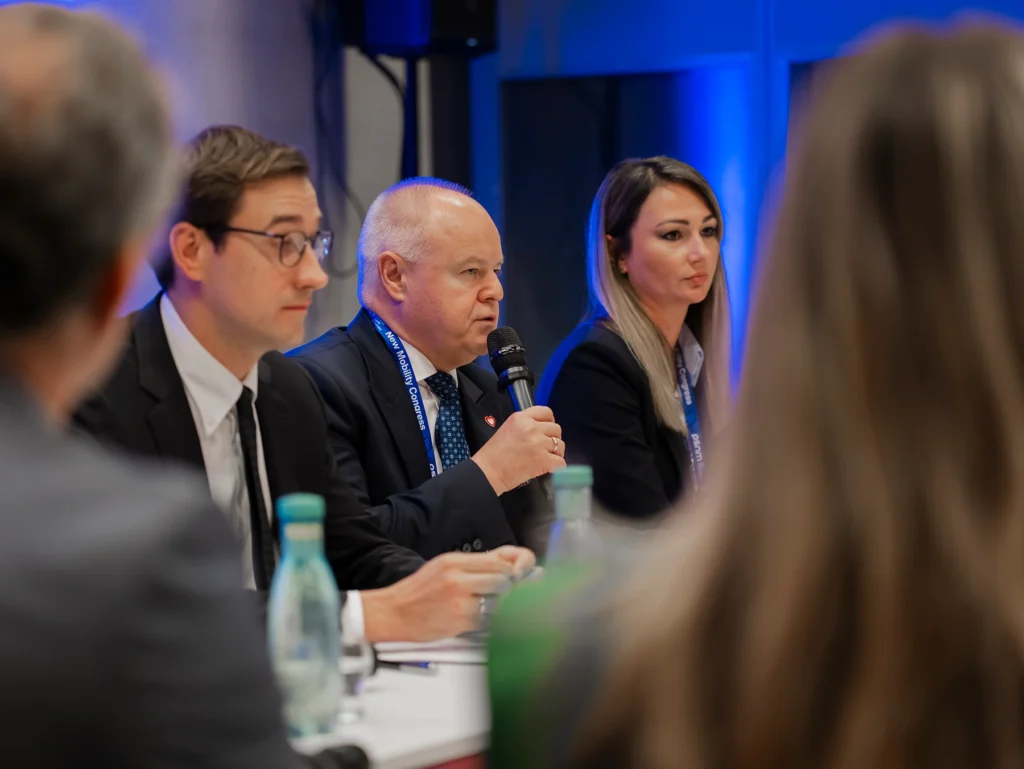
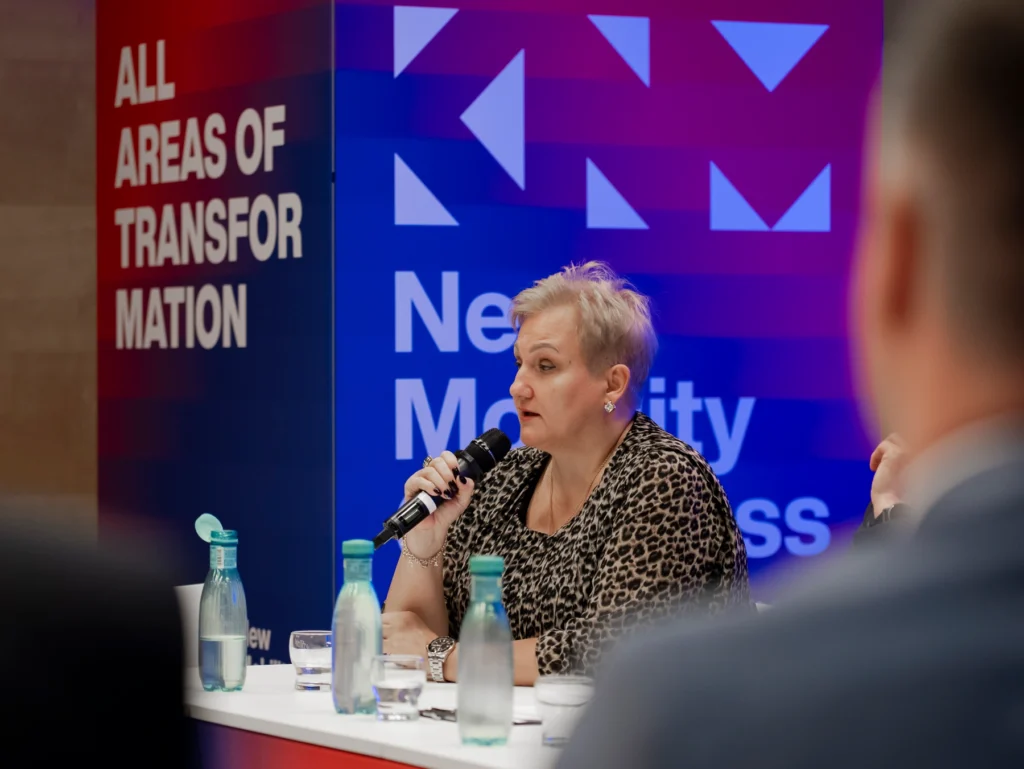
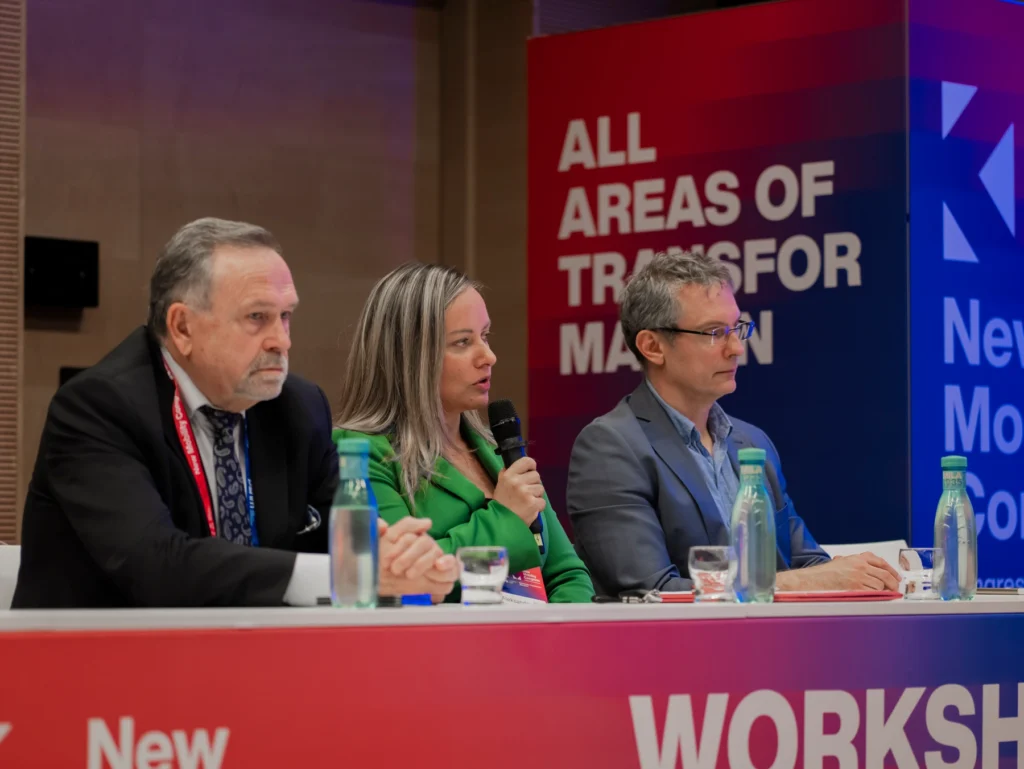
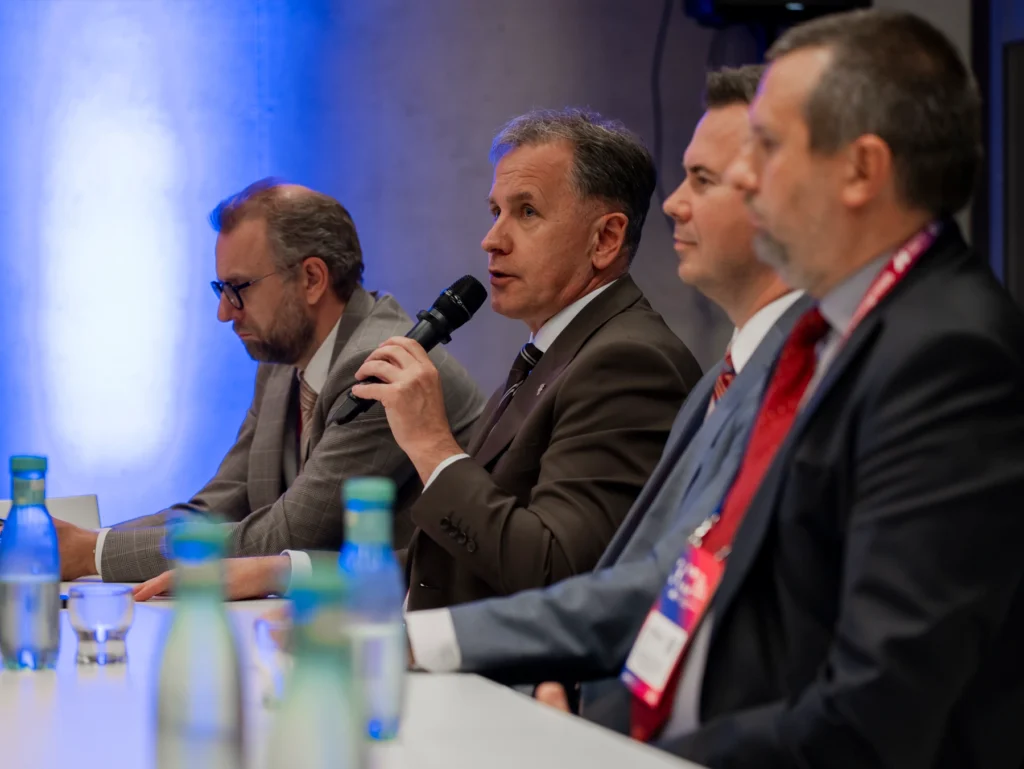
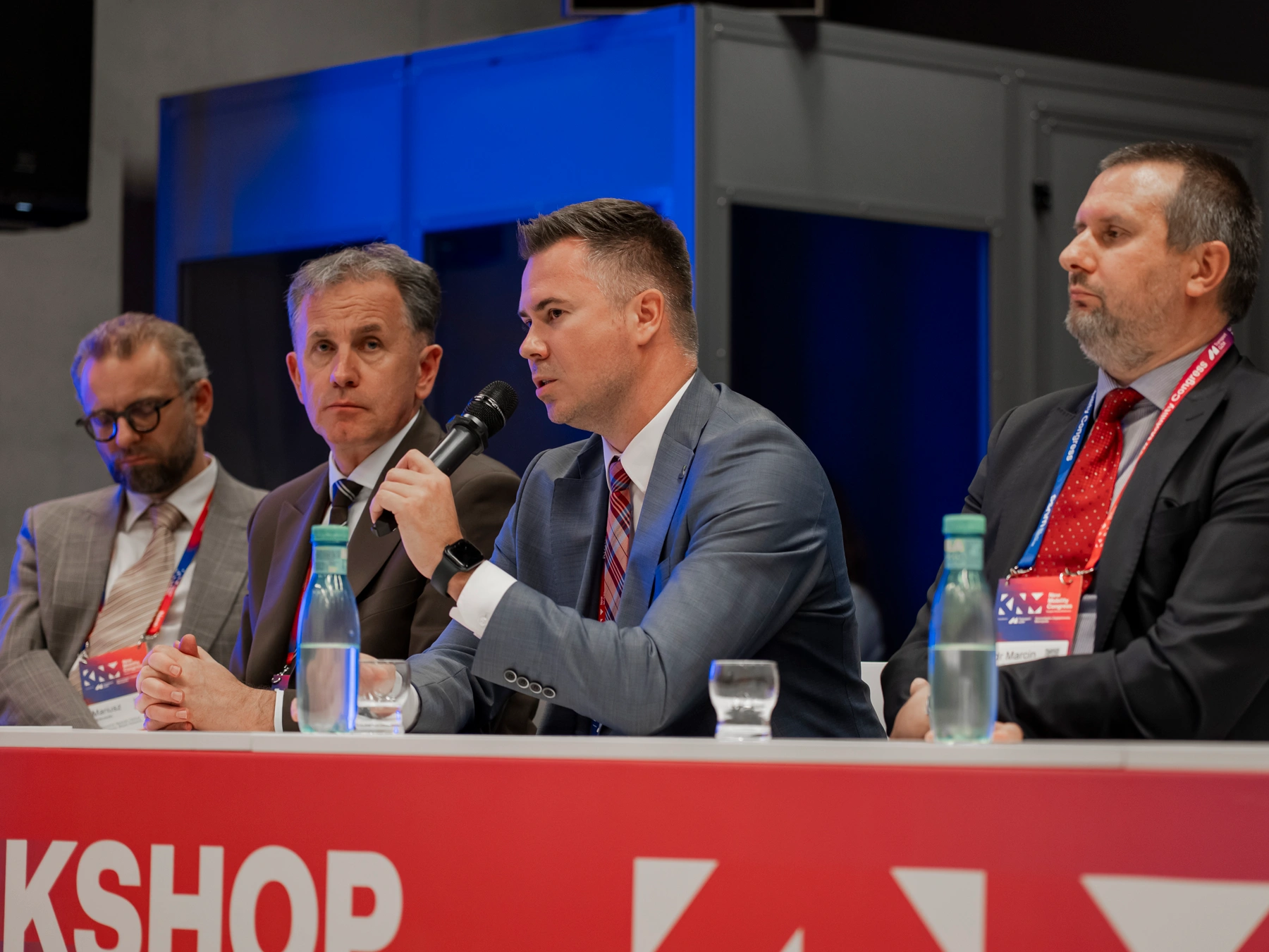
The transformation of Silesia was the focus of the workshop “Ślōnsko godka: Challenges of the Region in the Context of Transformation”, held during the New Mobility Congress 2026 in Katowice. Representatives of academia, public administration, industry and business discussed the future of the region, its competitiveness, new skills and competencies, and the role of innovation in creating new drivers of growth.
How can Silesia undergo transformation while preserving its industrial character and regional identity, while at the same time creating new opportunities for growth, developing new competencies and jobs? This was the focus of the workshop “Ślōnsko godka: Challenges of the Region in the Context of Transformation”. The session provided a platform for discussing the region’s economic and social transformation and the challenges associated with this process. The discussion focused on the competitiveness of the economy, the future of industry, the labour market, skills development and the quality of life of residents. An important part of the discussion was also how to combine economic modernisation with the region’s scientific and technological potential, while preserving its identity and ensuring that local communities have a meaningful role in the changes taking place.
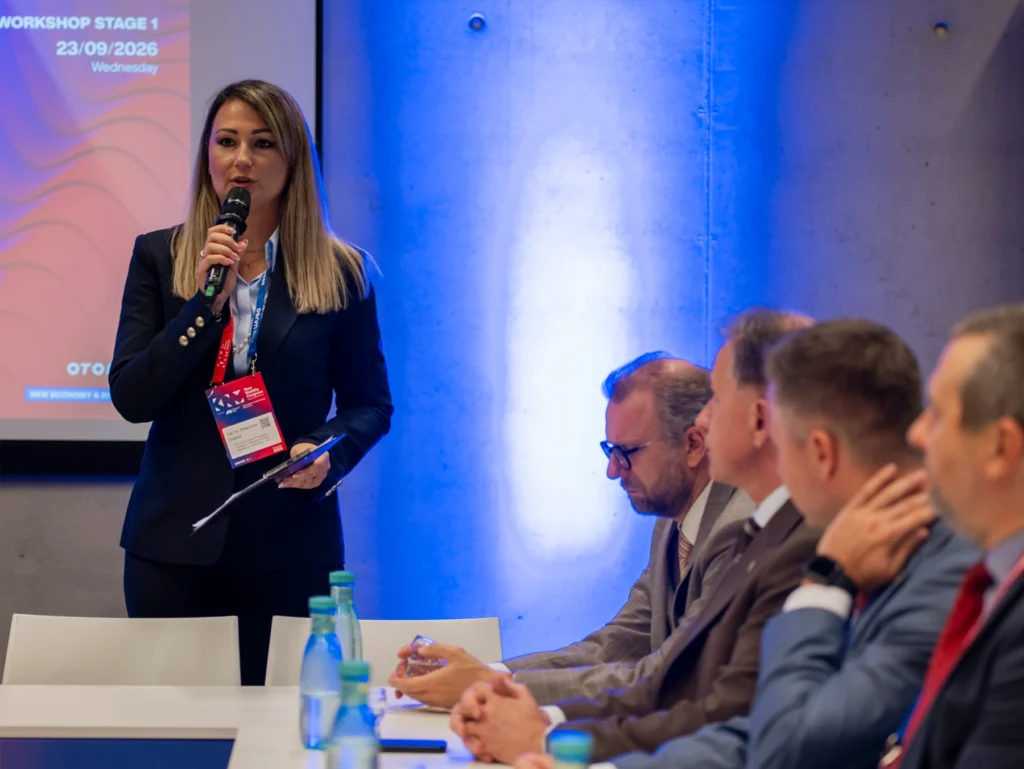
The discussion was co-moderated from a scientific and technological perspective by representatives of Łukasiewicz – Upper Silesian Institute of Technology (Łukasiewicz – GIT) – Jarosław Marcisz, BEng, PhD, DSc, and Małgorzata Gołąbek.
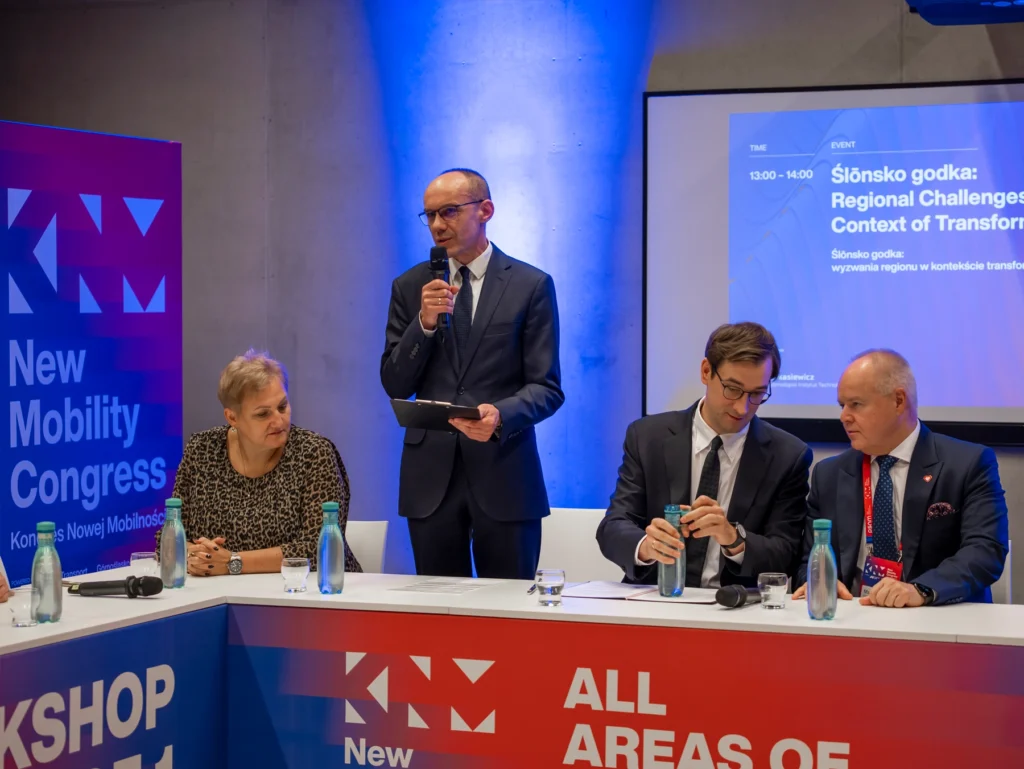
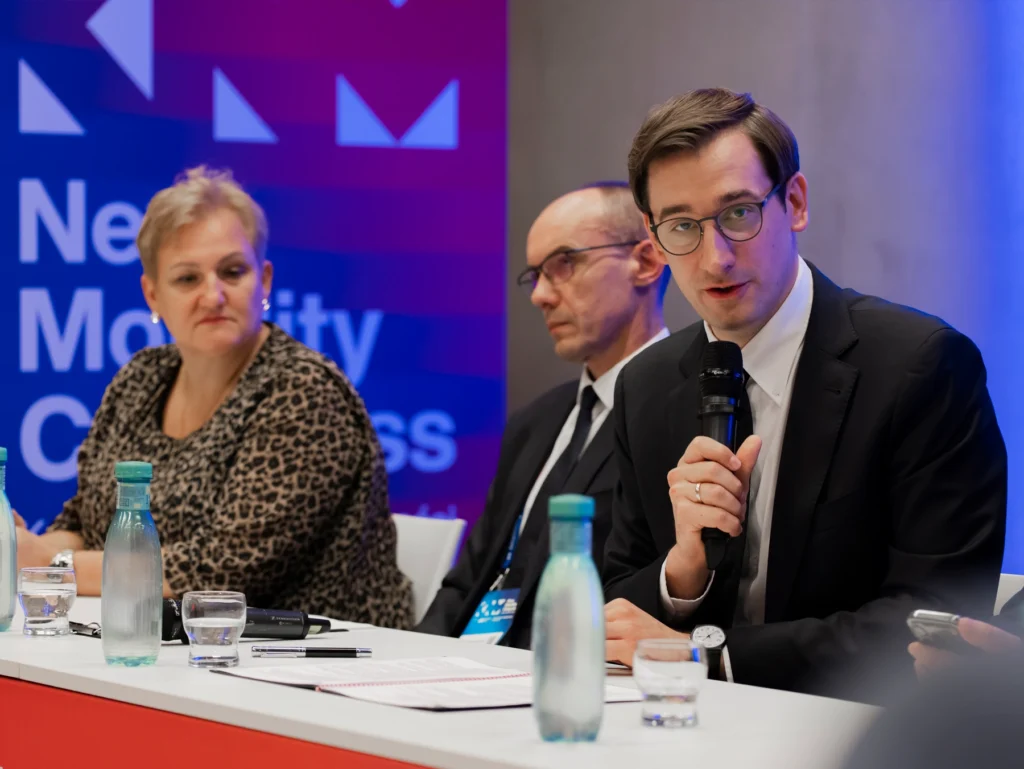
The panel brought together representatives of public administration, academia, industry, business support institutions and local government:
- Prof. Marek Gzik – Secretary of State, Ministry of Science and Higher Education
- Dr. Hubert Cichocki – President, Łukasiewicz Research Network
- Monika Gawlik, MBA – Director, Ministry of State Assets
- Dr. Marcin Tyslik, Ph.D. – Honorary Consul of Germany, Director, Reich – cK sp. z o.o.
- Dr. Hab. Med. Sławomir Blamek, Prof. NIO-PIB – Director, National Research Institute of Oncology in Gliwice
- Bartosz Polnik, Ph.D. Eng. – Deputy Director for Development, KOMAG Institute of Mining Technology
- Rafał Żelazny – President of the Management Board, Katowice Special Economic Zone S.A.
- Aleksandra Kania – Country Manager, ArcelorMittal Poland
- Wiktor Pawlik – President, Regional Chamber of Industry and Commerce in Gliwice
- Mariusz Jankowski – Head of the Investor Services Department, City of Katowice
Innovation as a driver of transformation
An important topic of the discussion was the role of science, research and innovation in establishing new foundations for the region’s economic development. Silesia has an extensive industrial base, a strong academic environment and significant technical expertise, all of which can provide a foundation for the next stage of its development.
Prof. Marek Gzik highlighted the need to seek new economic drivers for the region and stressed the importance of cooperation between science and business:
“We talk a lot about innovation, because this is above all the area of activity and interest of the Ministry of Science and Higher Education, innovation that should come out of laboratories and end with implementation, a new technology, product or service.”
This statement reflects one of the key themes of the panel – the need to translate scientific and research potential into concrete technological solutions and their practical application in the economy.
Speaking about the importance of Silesia for the Łukasiewicz Research Network, Dr. Hubert Cichocki, President of the Łukasiewicz Research Network, highlighted the role of the Network’s institutes as technology partners for companies involved in the region’s transformation:
“Silesia is not only able to be, but already is one of the most important centres of the Łukasiewicz Research Network, this is due to historical reasons as well, we have many institutes grouped here. … I can say with pride, ladies and gentlemen, that in all important matters when it comes to the transformation of the Silesian economy, we participate as a technology partner for the business sector. This happens both in the areas of traditional competencies of the Silesian economy, where our competencies are documented, long-standing and do not require any special development or commentary, but we are striving to provide very important value in the process of transforming the region.”
Rafał Żelazny, President of the Management Board of the Katowice Special Economic Zone S.A., in turn highlighted the importance of human capital and the region’s continuing technical potential:
“We have a large base of universities, we have over 111,000 students, we have 70,000 people in technical and vocational schools and, importantly, 24% of people who, at the first level of education, chose science, or, if you prefer, chose engineering studies. These are all very good figures that show that our Silesian ethos of technical culture at work has not disappeared; we should only develop it more strongly.”
Silesia – a region of industry and new technologies
The discussion demonstrated that the transformation of Silesia is not simply a matter of changing the structure of the economy. It is also a process of developing new competencies, advancing technologies and creating conditions for the continued development of industry in a changing economic environment.
Cooperation between academia, public administration and business plays an important role in this process. It is at the intersection of these environments that solutions are developed to address the challenges associated with the region’s energy, industrial and technological transformation.
Łukasiewicz – GIT is part of this ecosystem, developing technologies that respond to the needs of modern industry and emerging areas of the economy.
The discussion during the “Ślōnsko godka” workshop demonstrated that the future of Silesia will require the combination of its industrial heritage with new technologies, competencies and models of cooperation. For Łukasiewicz – GIT, this means actively contributing to a process in which knowledge, research and technology become tools for the continued development of the region.
Łukasiewicz – GIT technologies at the New Mobility Congress
The “Ślōnsko godka” workshop was one of the highlights of Łukasiewicz – GIT’s presence at the New Mobility Congress 2026. At the Łukasiewicz Research Network booth, visitors can also explore solutions developed at the Institute, including the premiere presentation of an electric boat propulsion system without permanent magnets.
Developed by Łukasiewicz – GIT, the system has been designed for operation in demanding, humid and saline environments. The solution combines an electric motor, a power electronic converter, and a control and visualisation system. Operating at 48 V, it delivers a rated power of 10 kW and a rated torque of 75.6 Nm. It can be used as the main propulsion system for recreational boats or as a manoeuvring drive for yachts.
Visitors to the booth can also explore low-magnetic-signature motors, LEMoK ultralight electric motors, and an electric drive system with motors integrated directly into the wheel hubs.
The technologies on display demonstrate the broad range of Łukasiewicz – GIT’s R&D capabilities in advanced electric machines and propulsion systems. They cover solutions for watercraft, aviation, unmanned aerial systems and electric mobility, responding to the evolving needs of modern mobility and industry.