As part of our website, we use cookies to provide you with the highest level of service, including services tailored to your individual needs. By continuing to use the website without changing your cookie settings, you agree to the placement of cookies on your device as described in our Privacy Policy. You can change your cookie settings in your web browser at any time. Acceptance of essential cookies is required for the proper functioning of the website. For more detailed information, please refer to our PRIVACY POLICY.
Łukasiewicz – Upper Silesian Institute of Technology Hosts a Meeting of the Management of the Łukasiewicz Research Network
czas czytania: 3min
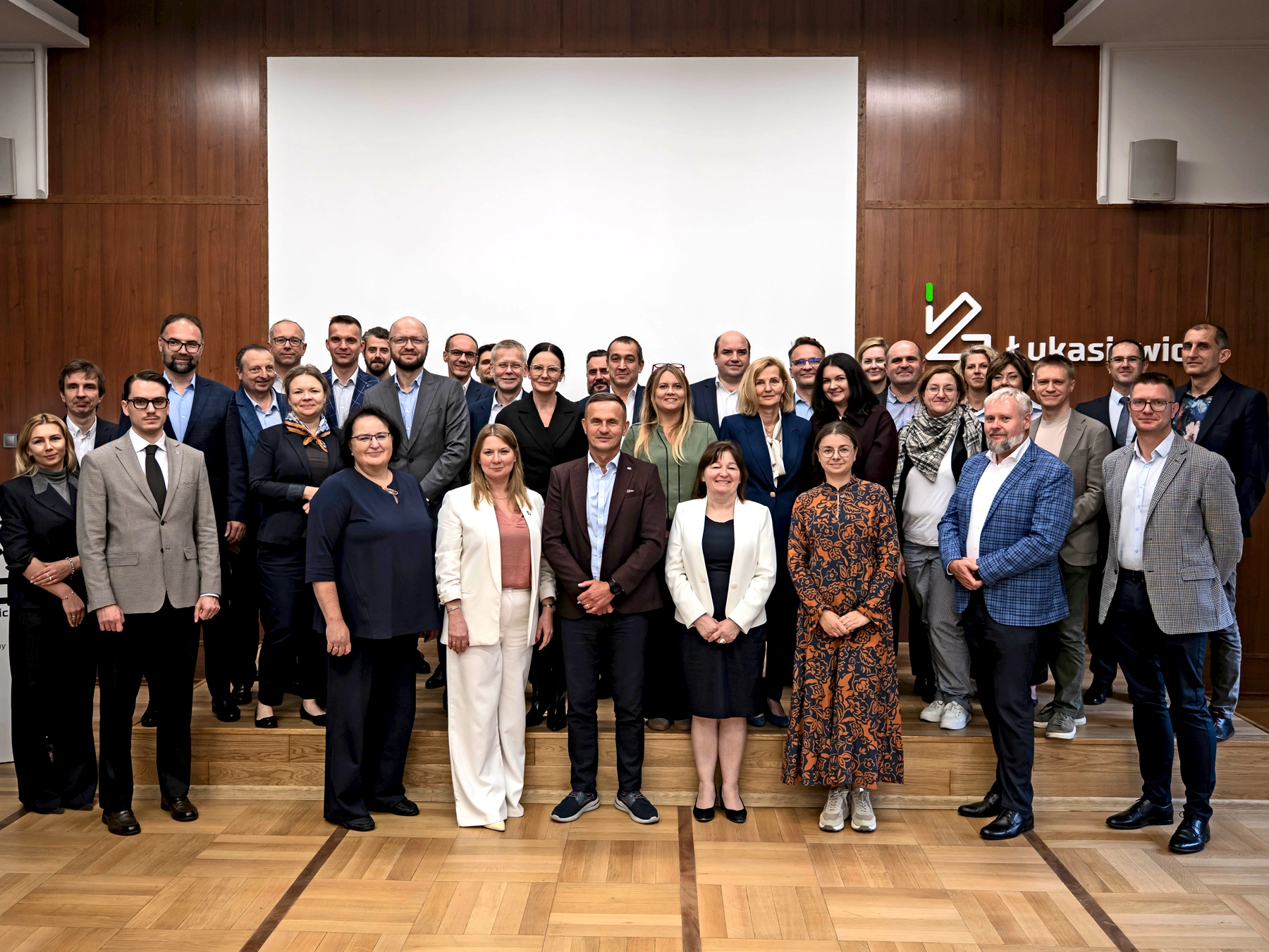
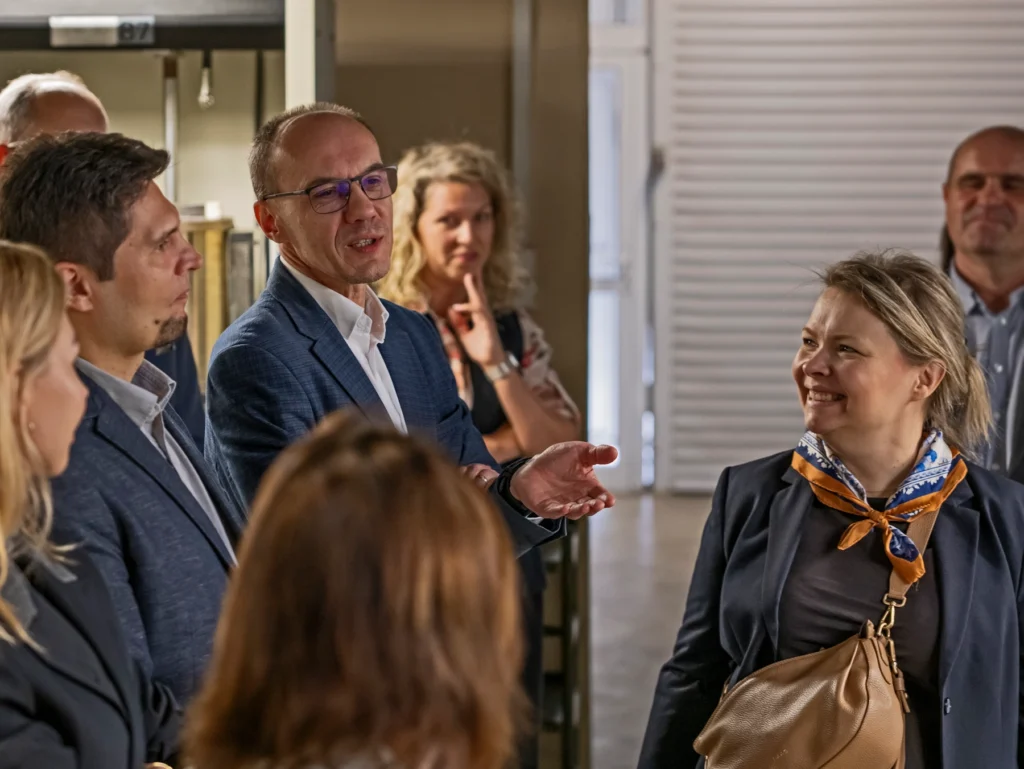
Łukasiewicz – Upper Silesian Institute of Technology hosted a meeting of the management teams of the Łukasiewicz Research Network institutes. The visit provided an opportunity to exchange experience, discuss potential areas of cooperation and showcase the research and technological capabilities of Łukasiewicz – GIT. The guests visited the laboratories of the Centre for Materials Research and the Centre for Metallurgical Technologies, learning about advanced research capabilities and their applications in industry.
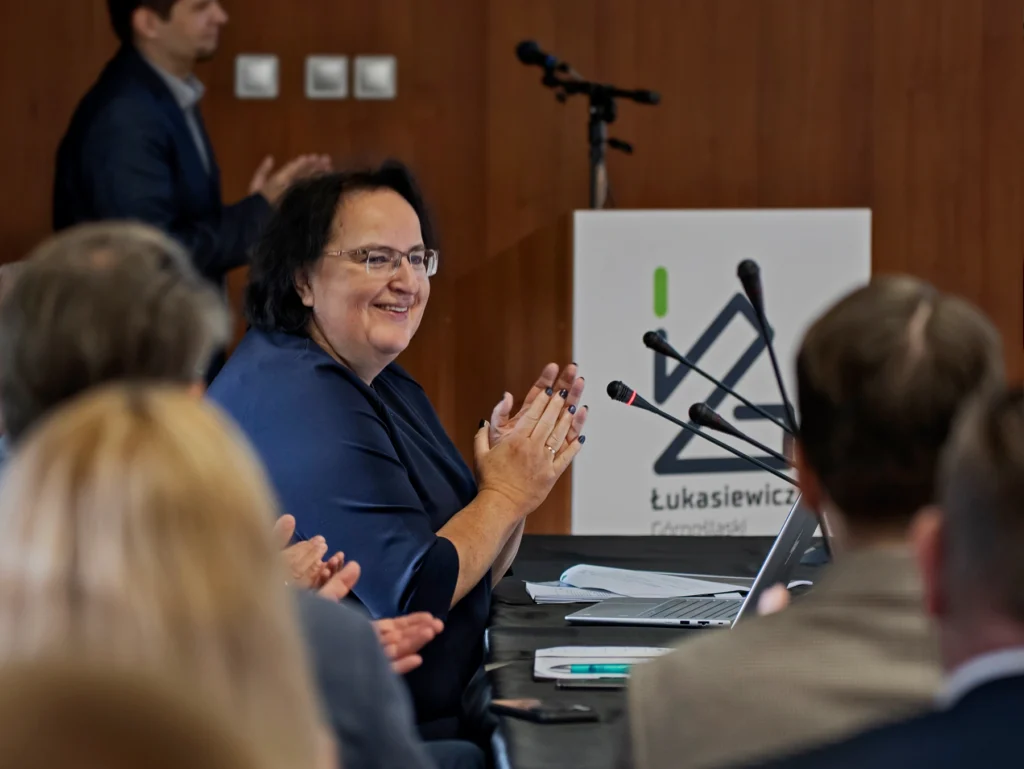
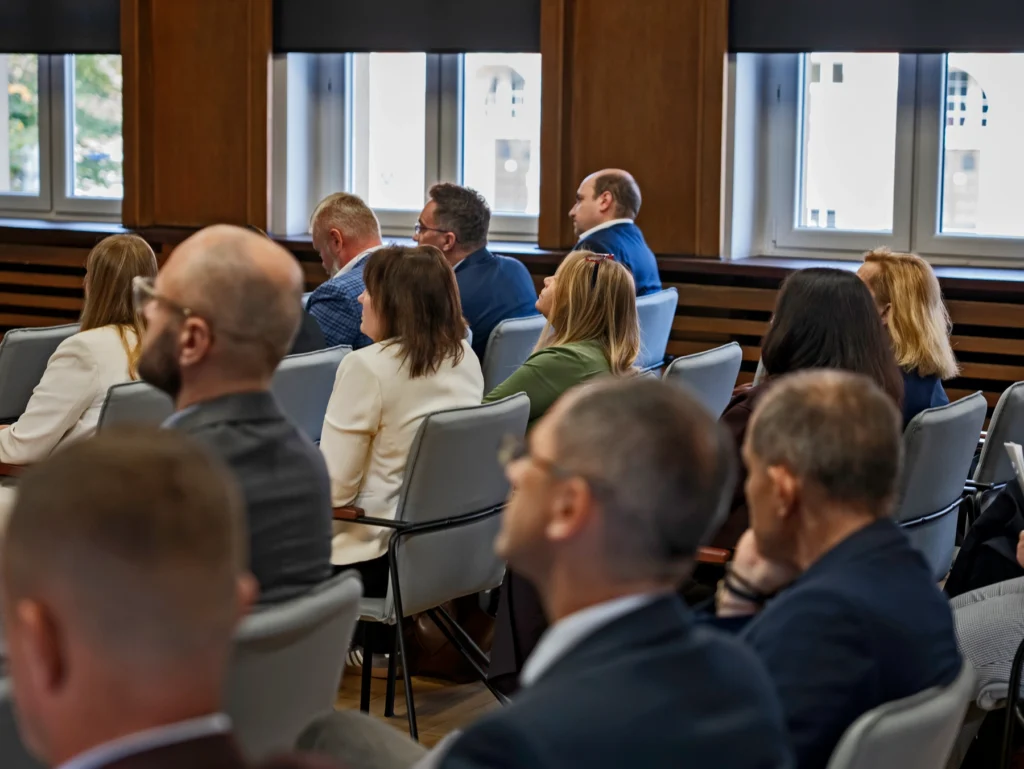
Łukasiewicz – Upper Silesian Institute of Technology welcomed research directors, institute directors and heads of commercialisation from across the Łukasiewicz Research Network. The meeting provided a platform for exchanging experience, discussing cooperation and presenting the research and technological capabilities of the institute based in Gliwice.
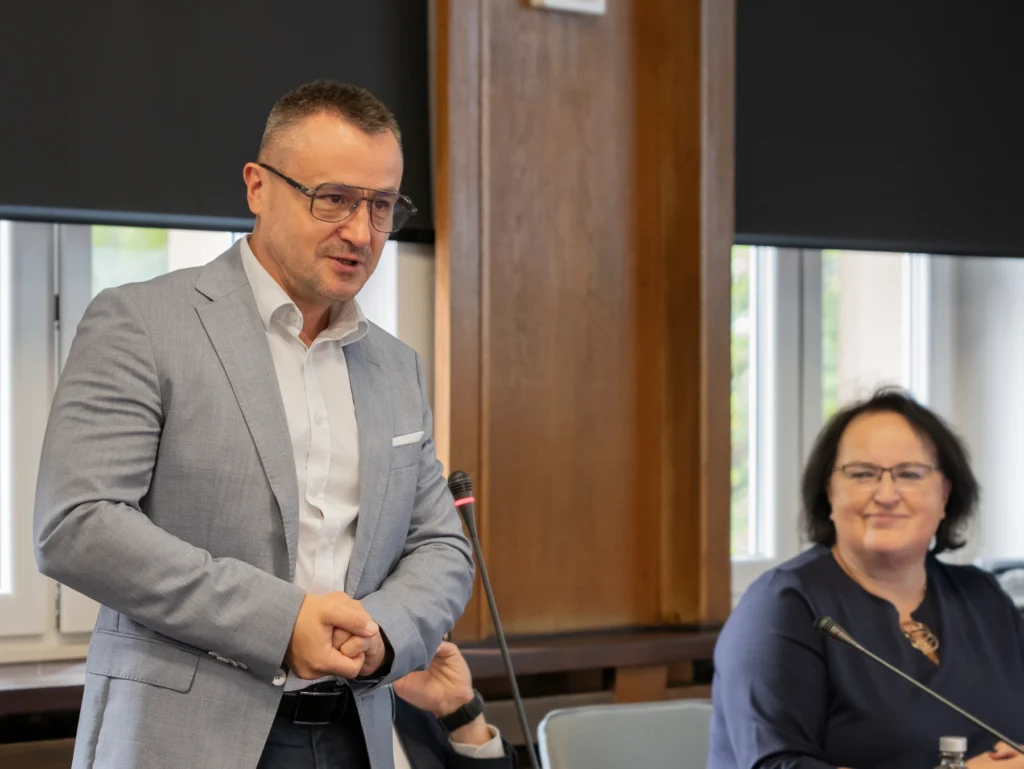
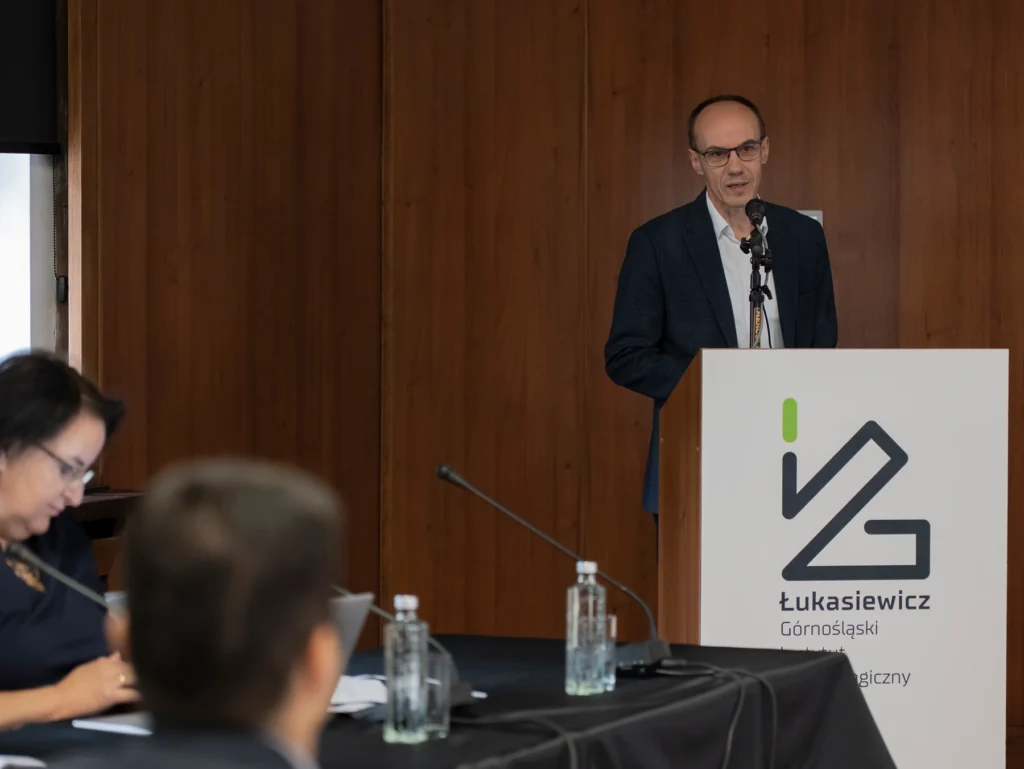
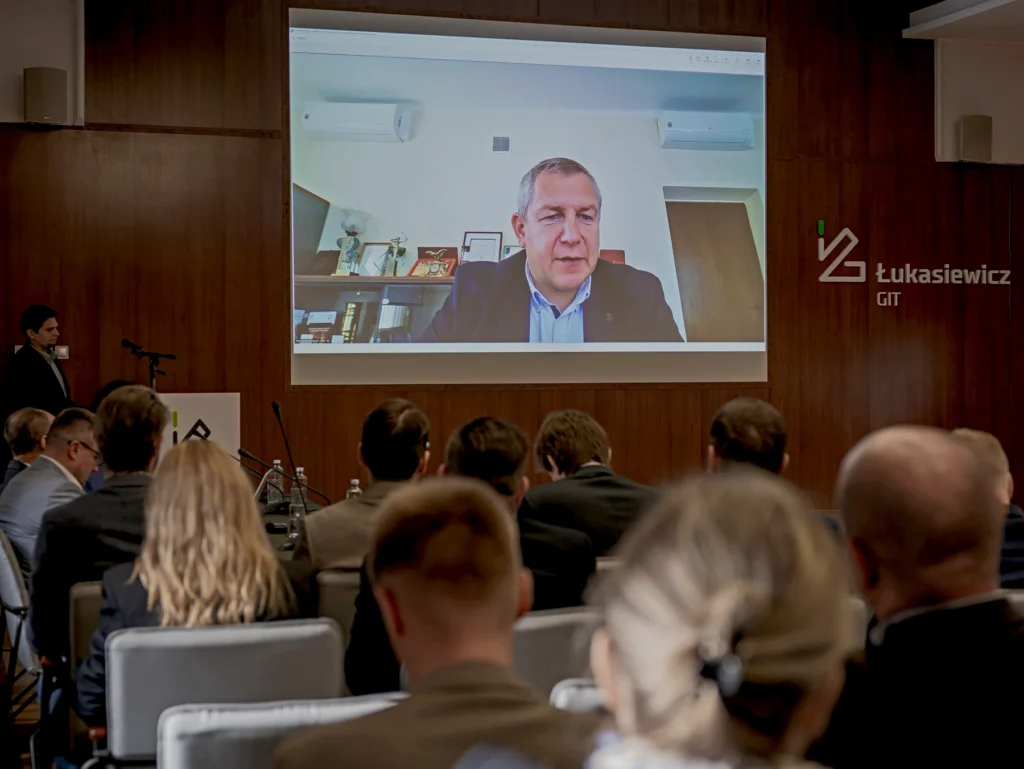
The meeting was chaired by Professor Jolanta Itrich-Drabarek, Vice-President of the Łukasiewicz Research Network. The guests were welcomed by Professor Adam Zieliński, Director of Łukasiewicz – GIT, and Jarosław Marcisz, BEng, PhD, DSc, Deputy Director for Research, who presented the institute’s activities, areas of expertise and development priorities.
Four Centres, Broad Expertise – The Research Potential of Łukasiewicz – GIT
During the meeting, Łukasiewicz – GIT presented its research and technological capabilities across four centres: the Centre for Materials Research, the Centre for Electric Drives and Machines, the Centre for Welding and the Centre for Metallurgical Technologies.
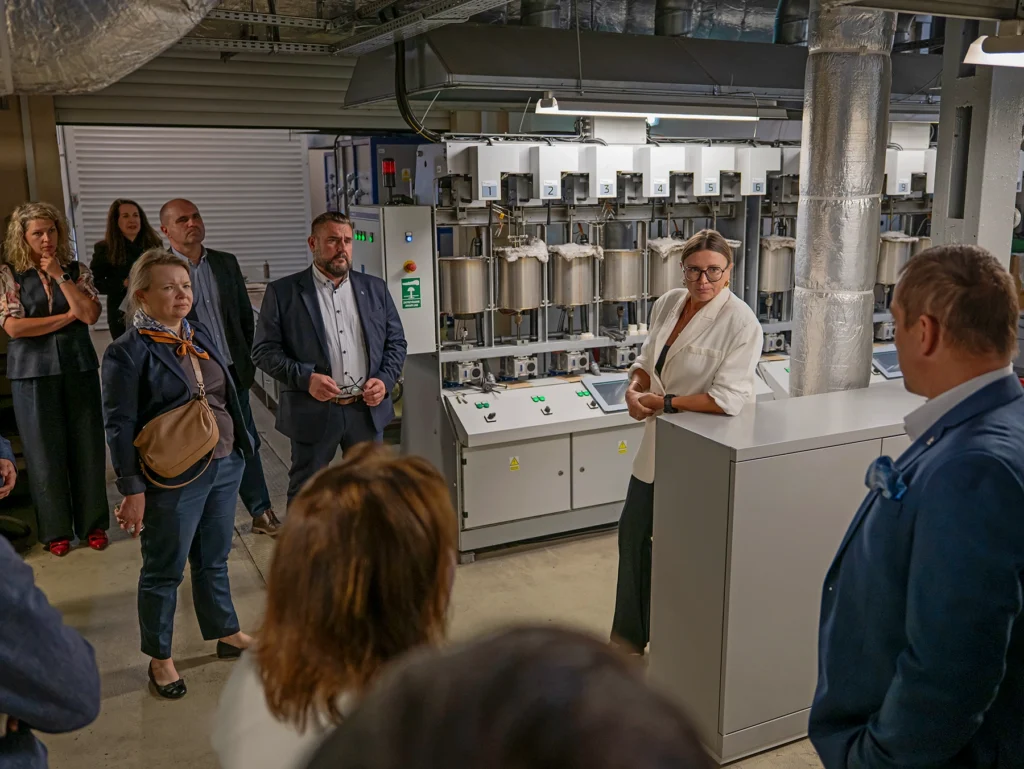
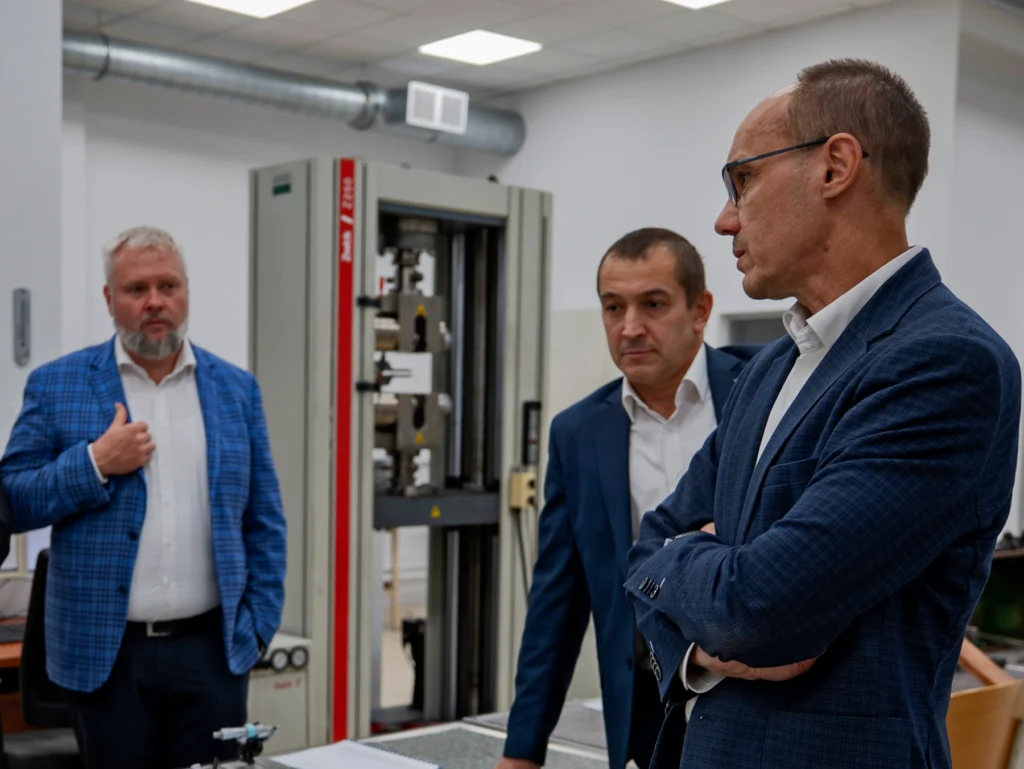
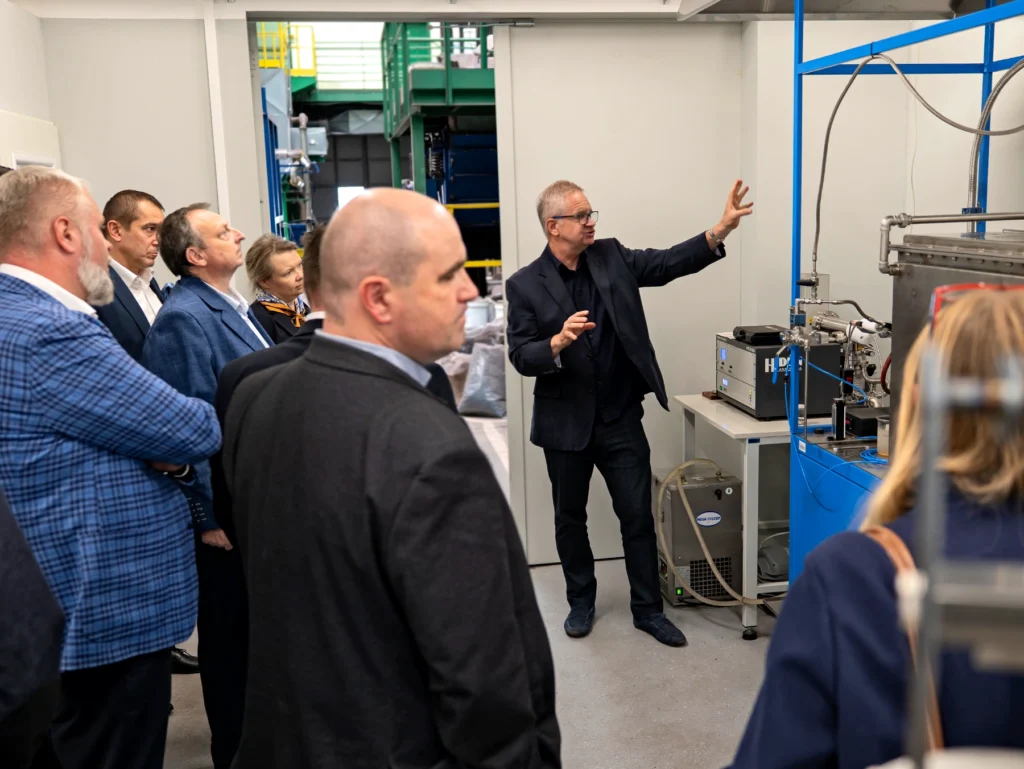
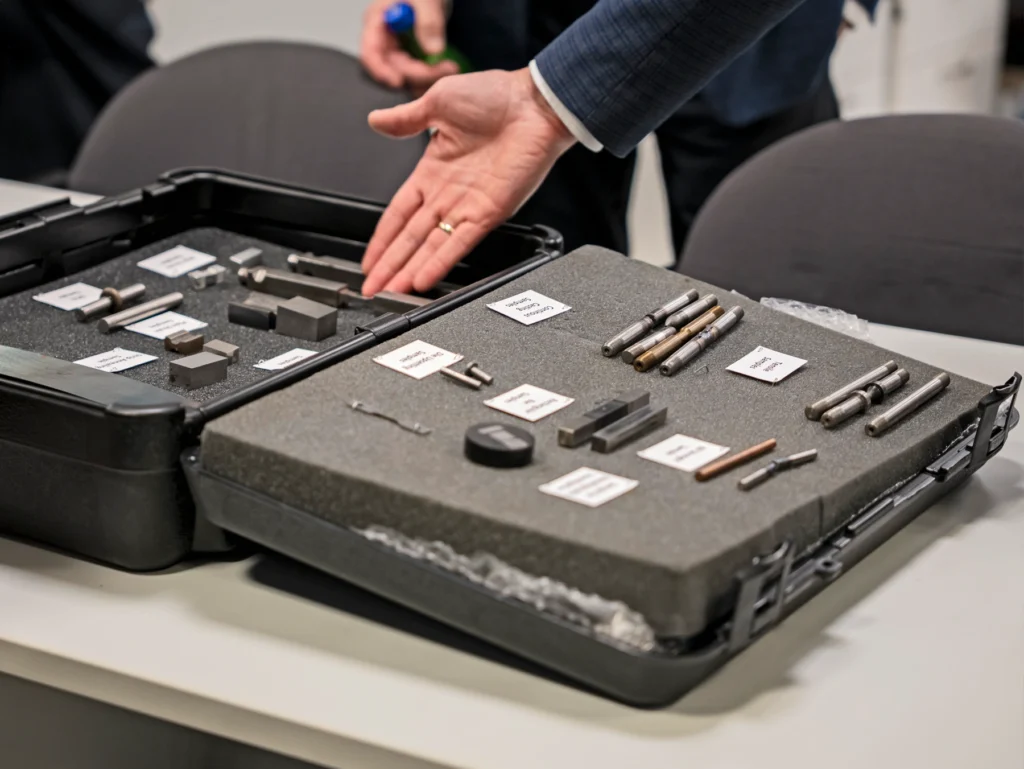
An important part of the visit was a tour of the laboratories at the Centre for Materials Research and the Centre for Metallurgical Technologies. The guests had the opportunity to explore specialised equipment, learn more about ongoing research and see how scientific knowledge and advanced technologies are applied in industrial practice.
Hanna Purzyńska, DEng, introduced the Creep Testing Laboratory, which assesses how materials behave under prolonged loading at elevated temperatures.
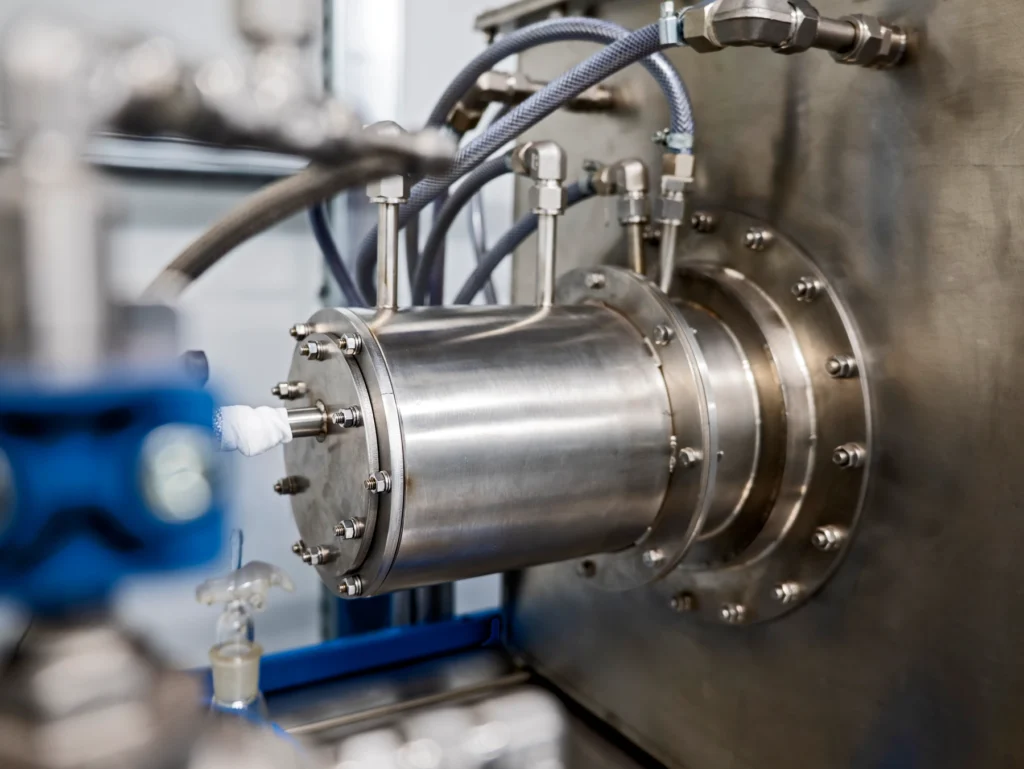
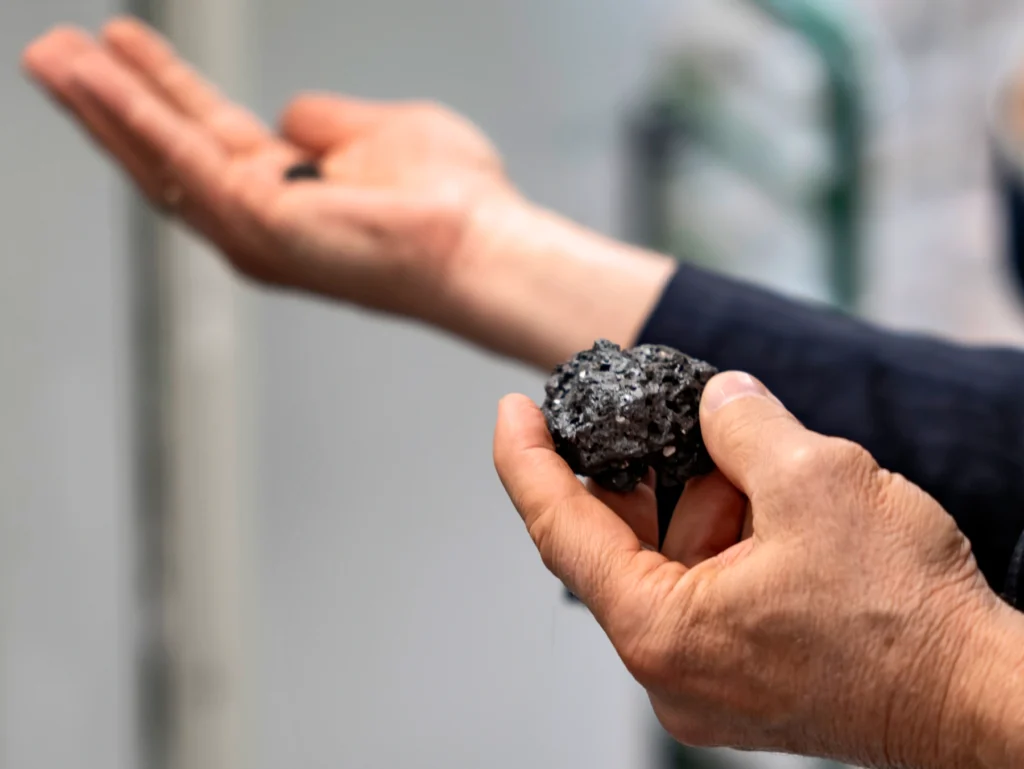
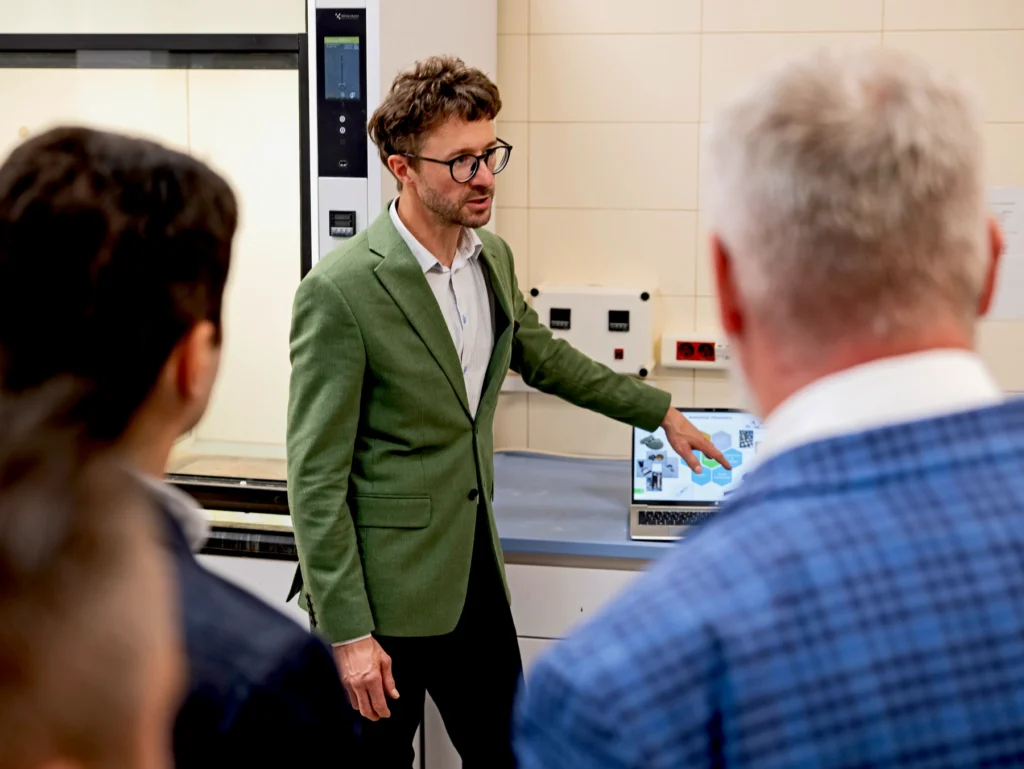
Marian Niesler, BEng, PhD, DSc, presented the Hydrogen Metallurgy Laboratory, where research focuses on metallurgical processes in the context of hydrogen use.
Michał Kubecki, DEng, presented the capabilities of the Classical Analysis Laboratory, which is used to determine the chemical composition of materials.
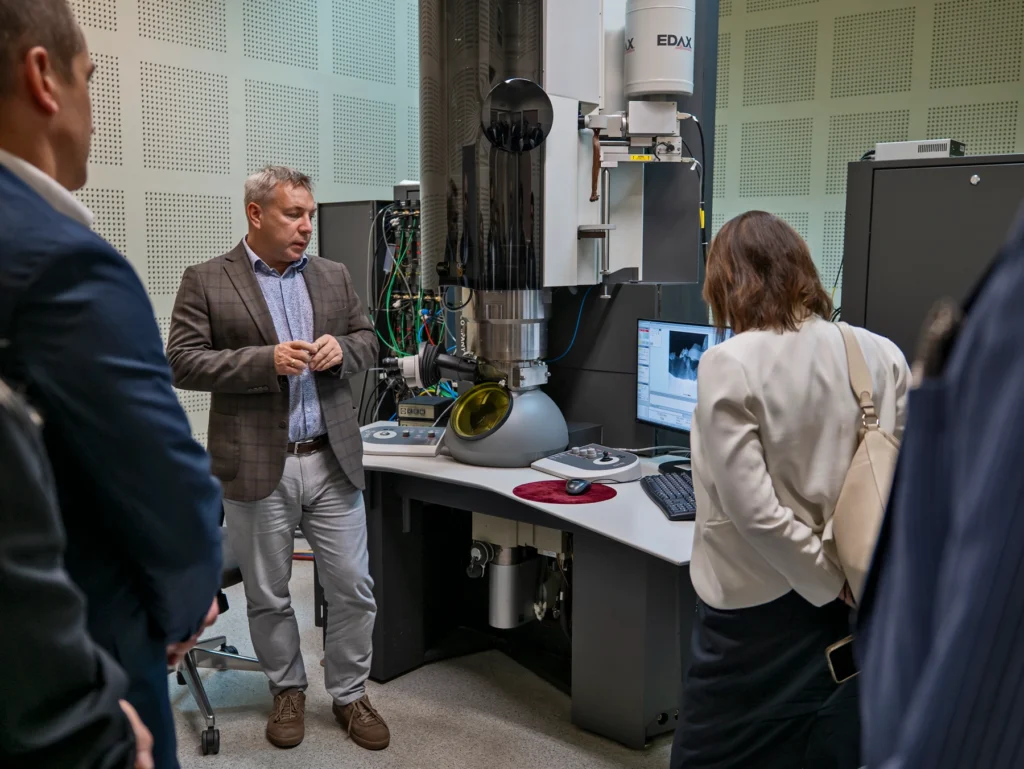
Krzysztof Radwański, BEng, PhD, DSc, showcased advanced microscopy equipment, including the JEOL JSM-7200F high-resolution scanning electron microscope (SEM) and the TITAN 80-300 ultra-high-resolution scanning/transmission electron microscope (S/TEM). The guests also learned about the institute’s capabilities in testing material resistance to sulfide stress cracking and high-temperature oxidation.
Jarosław Opara, DEng, explained how the Gleeble 3800 system is used for the physical simulation of metallurgical processes. This technology makes it possible to reproduce industrial conditions in a controlled laboratory environment and analyse changes in materials during technological processes.
Cooperation That Strengthens the Network’s Potential
The visit provided an opportunity to showcase the broad expertise of Łukasiewicz – GIT and the research infrastructure available to support advanced studies for industry. Direct meetings between experts and management representatives encourage knowledge exchange, help identify opportunities for joint initiatives and foster cooperation between institutes.
The strength of the Łukasiewicz Research Network lies not only in the expertise of its individual institutes but also in the opportunities created by working together. Combining knowledge, experience and research infrastructure makes it possible to respond more effectively to business needs and address complex technological challenges.
The meeting at Łukasiewicz – GIT highlighted the importance of understanding the capabilities of individual institutes and building relationships that can form the basis for joint research and implementation projects.