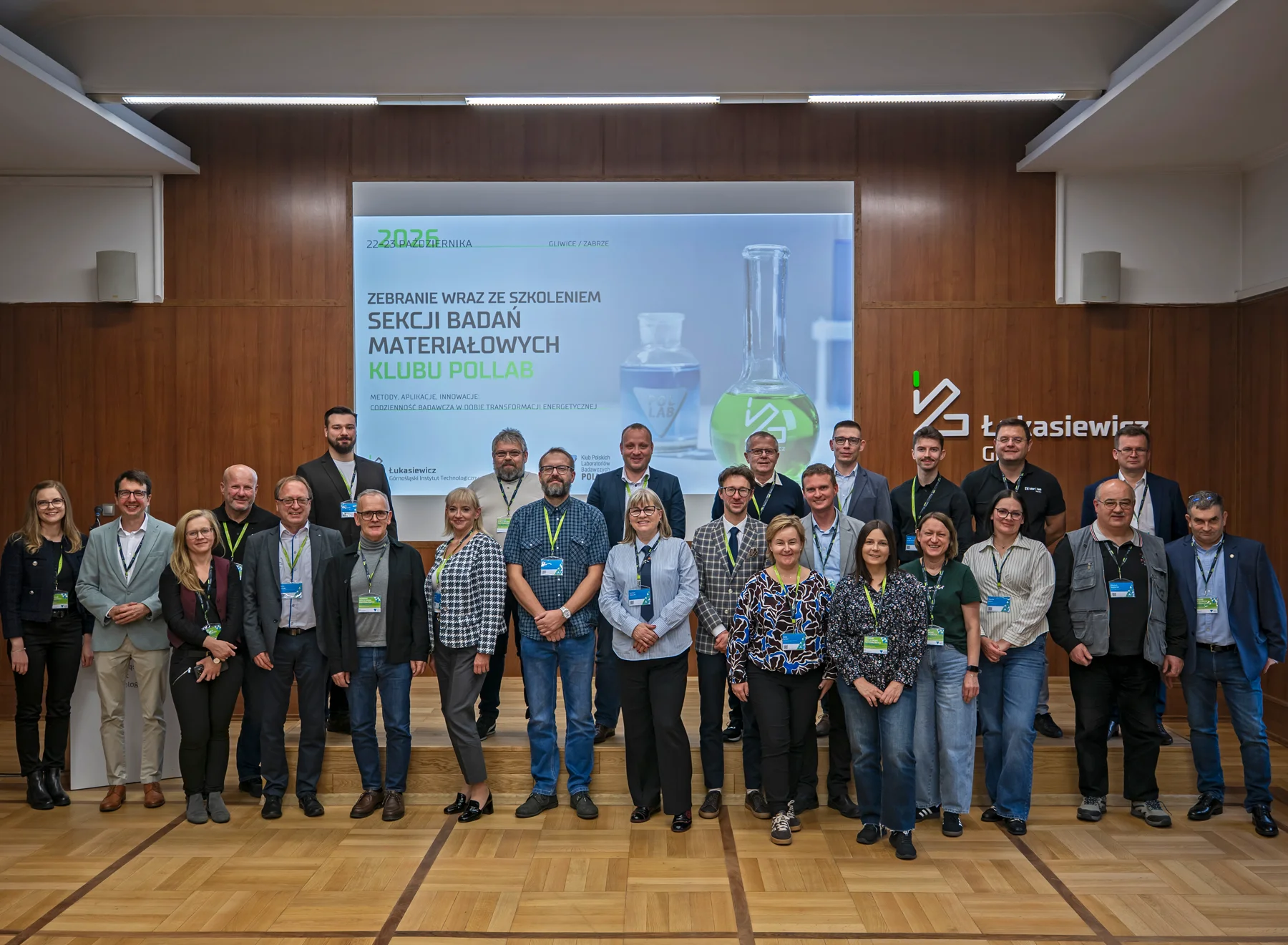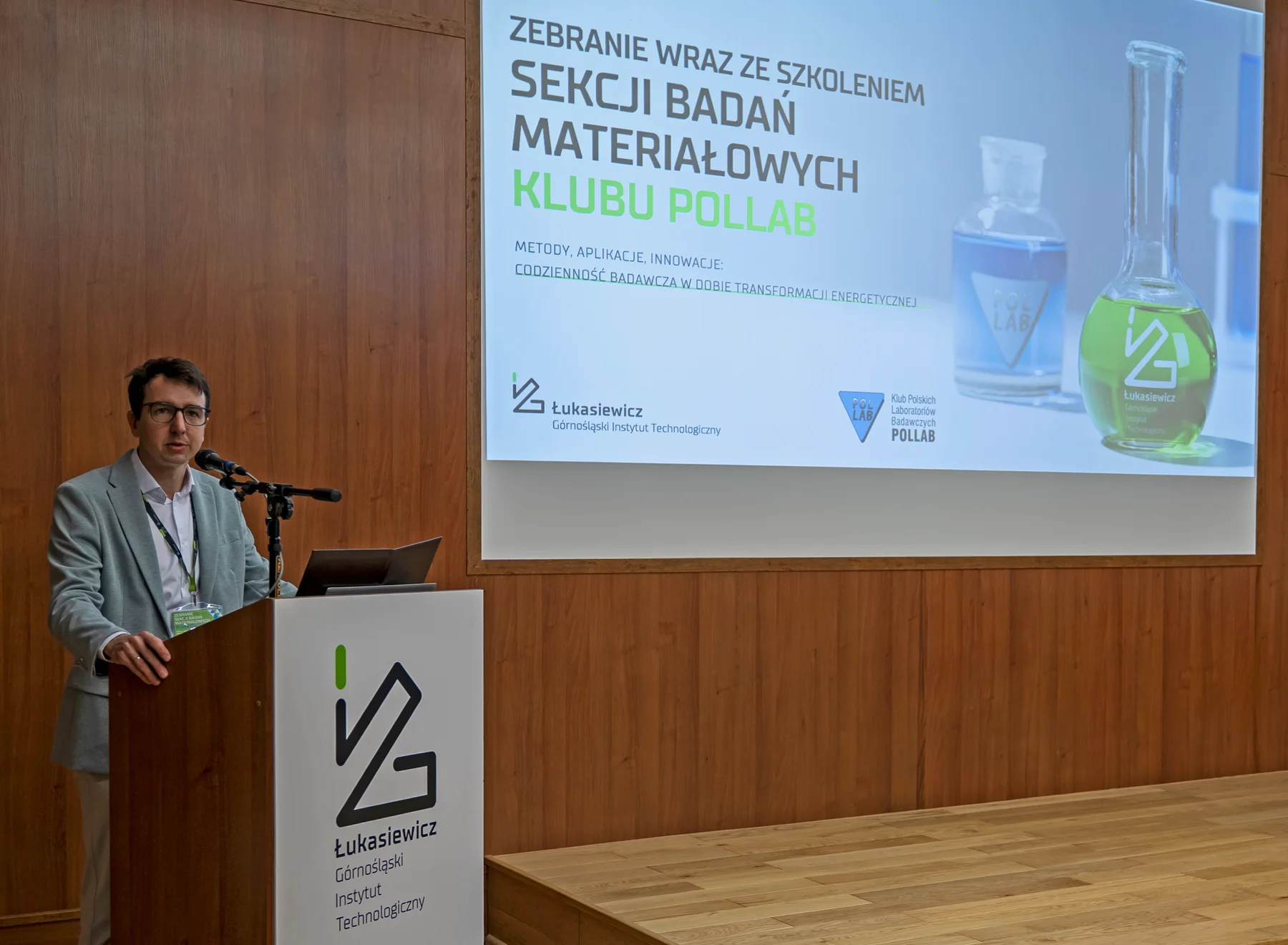
On 22-23 October 2026, the meeting of the Materials Testing Section of the POLLAB Club, combined with a training session, took place with the participation of Łukasiewicz – Upper Silesian Institute of Technology. The two-day event featured expert presentations, an exchange of experience, and discussions on advanced materials research, industrial innovation, and the challenges associated with the energy transition. Participants also had the opportunity to tour the Institute’s laboratories and learn about the practical aspects of the research being carried out.
The event, organised with the participation of Łukasiewicz – Upper Silesian Institute of Technology, provided a platform for knowledge sharing and the exchange of experience among representatives of the research, laboratory, and industrial communities.
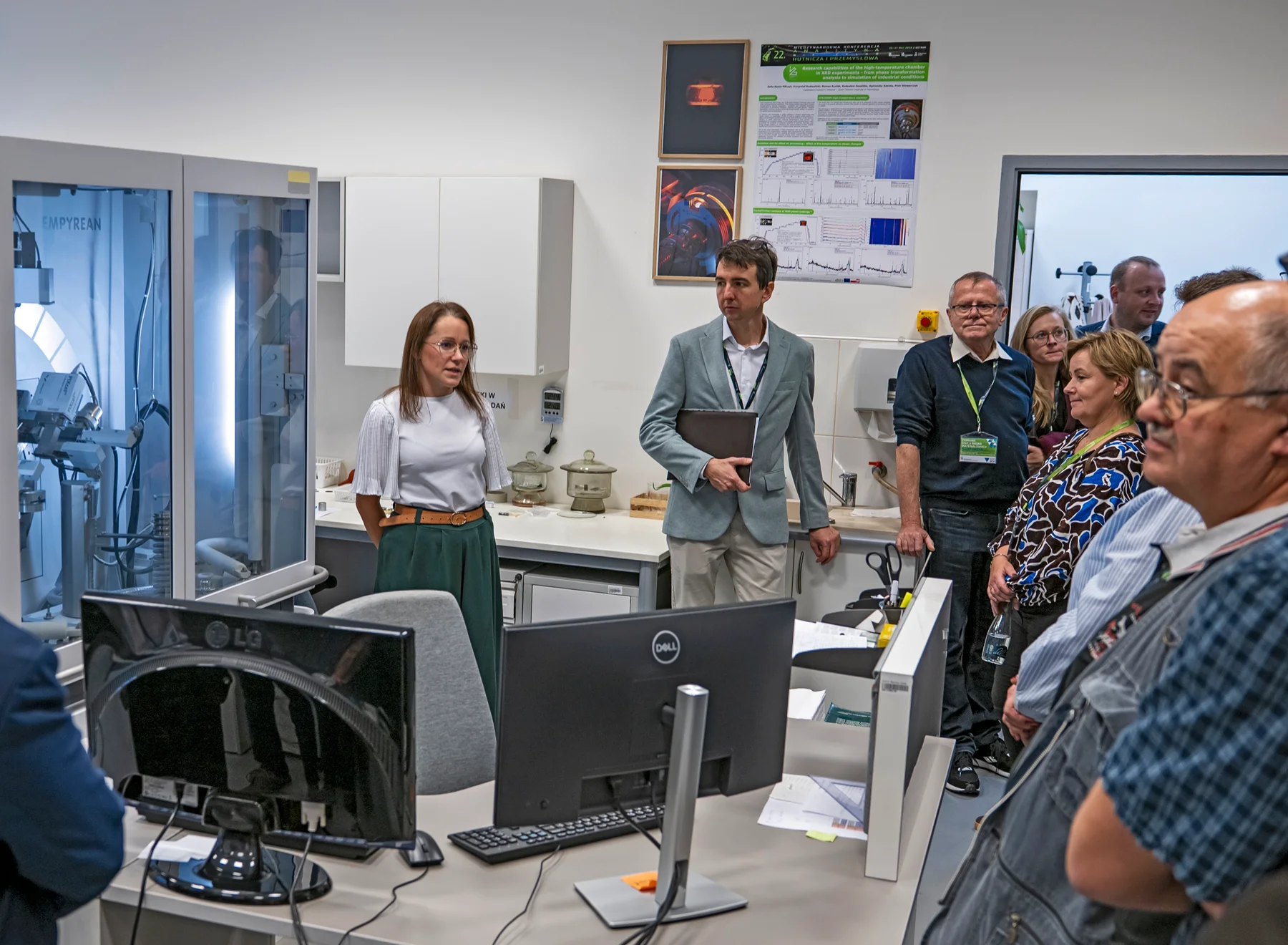
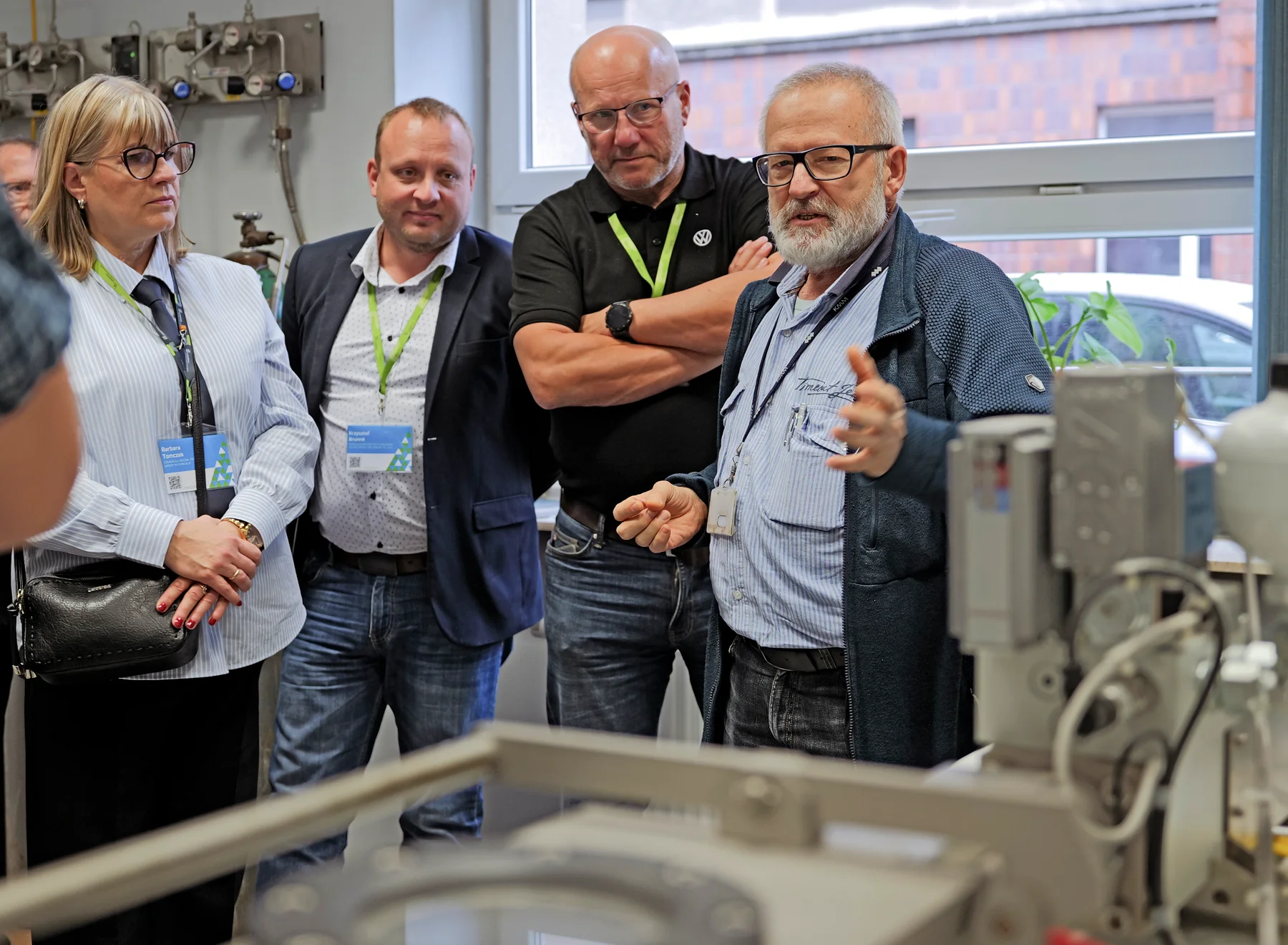
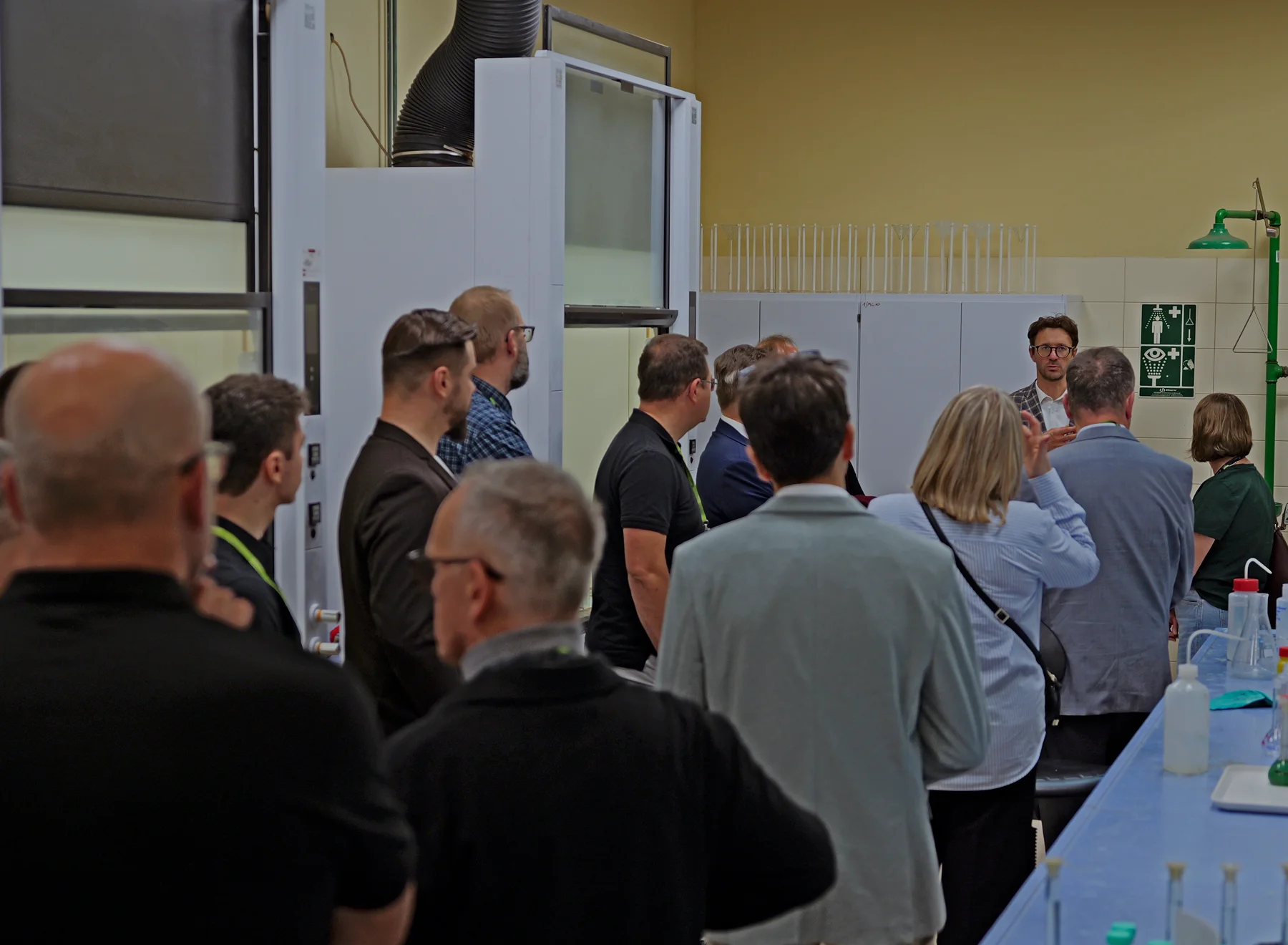
The programme included presentations on advanced materials, research methods, and solutions supporting the development of innovative technologies for industry and the energy sector. An important part of the event was a tour of the Łukasiewicz – GIT laboratories, which allowed participants to gain a closer insight into the Institute’s research facilities and the practical applications of its work.
Expert Knowledge and Experience
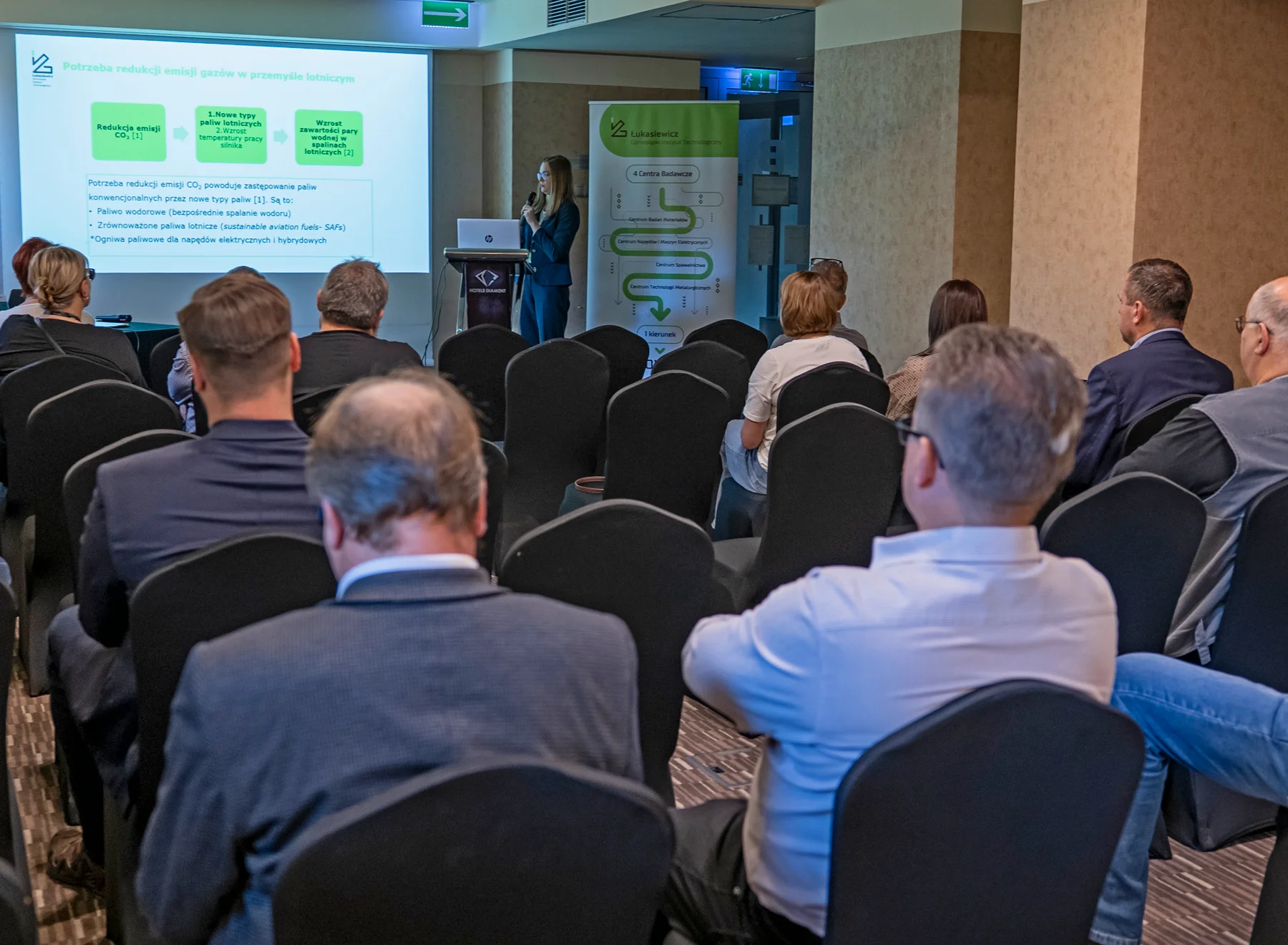
The event was organised and coordinated by Karol Sówka, DEng., in cooperation with the Marketing and Commercialisation Department of Łukasiewicz – GIT. He also oversaw the proceedings and guided participants through the various stages of the programme. During the meeting, participants attended presentations delivered by Łukasiewicz – GIT experts, who discussed selected topics related to the development of advanced technologies and contemporary research challenges.
The programme included the following presentations:
- Krzysztof Radwański, BEng, PhD, DSc – “Materials Research for the Hydrogen Economy in the Context of the Energy Transition”.
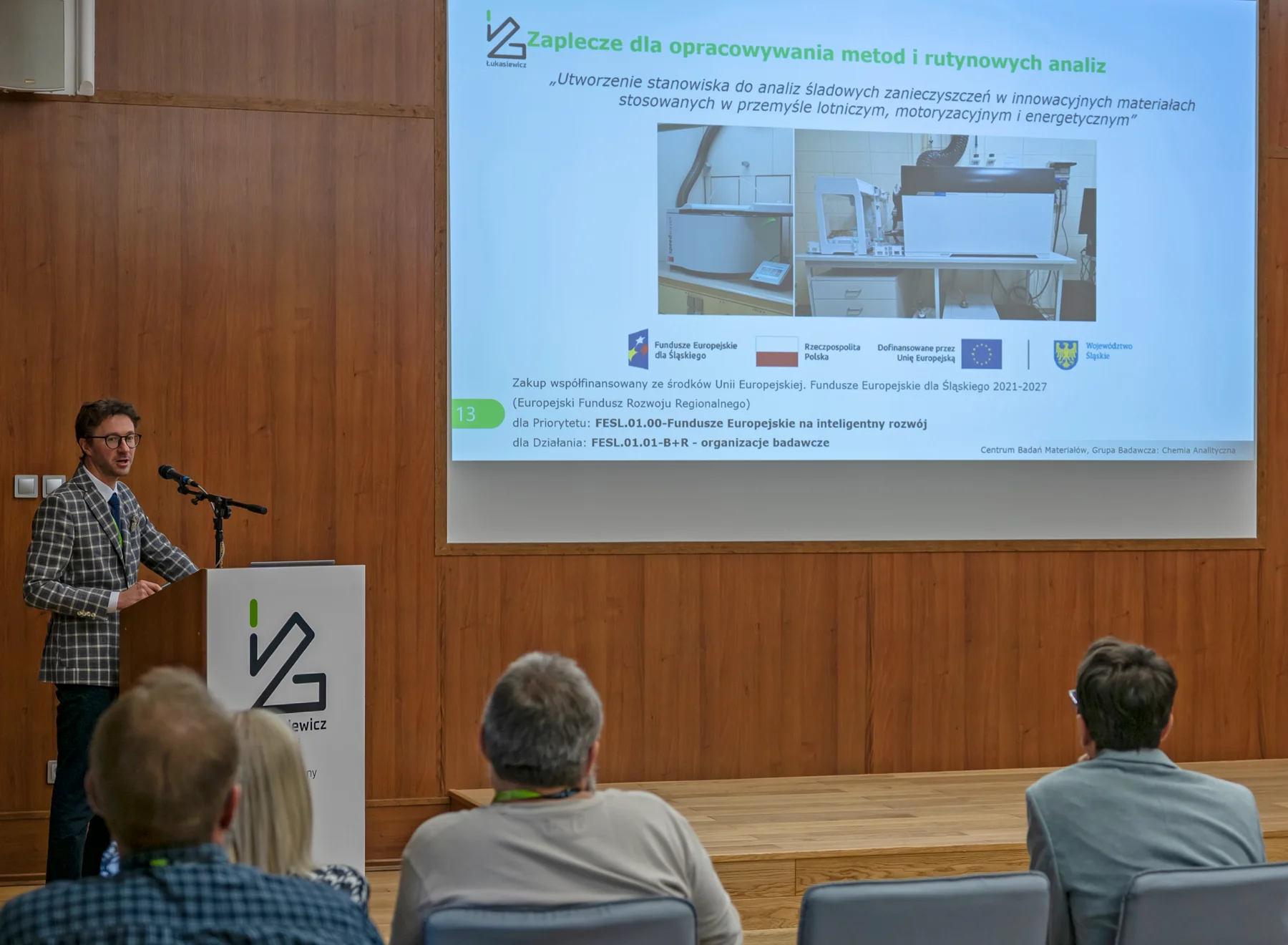
- Michał Kubecki, DEng. – “Chemical Analysis as a Foundation for Materials Innovation in Industry”.
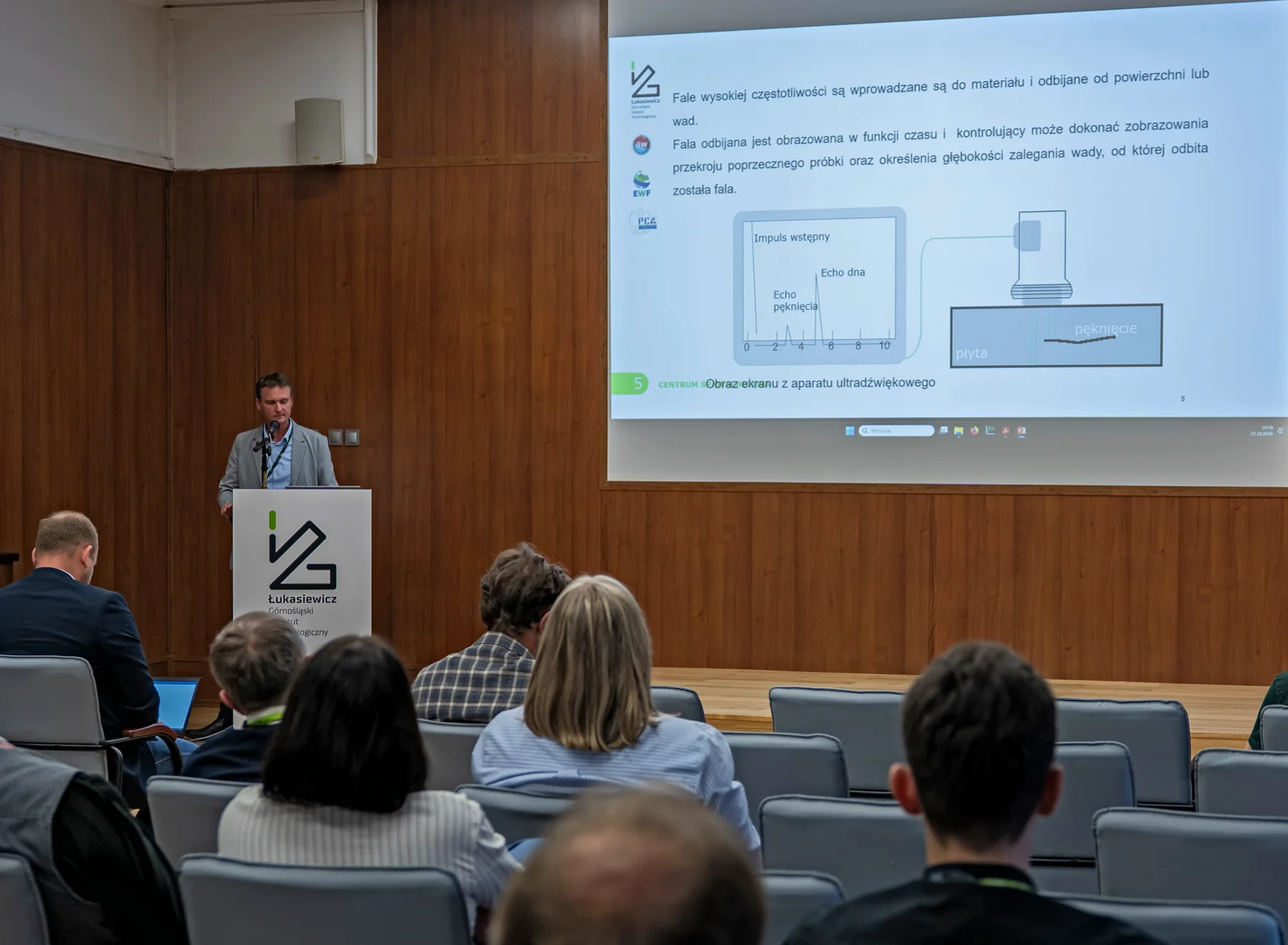
- Łukasz Rawicki, DEng. – “Modern Ultrasonic Testing Methods for the Non-Destructive Examination of Welded Joints”.
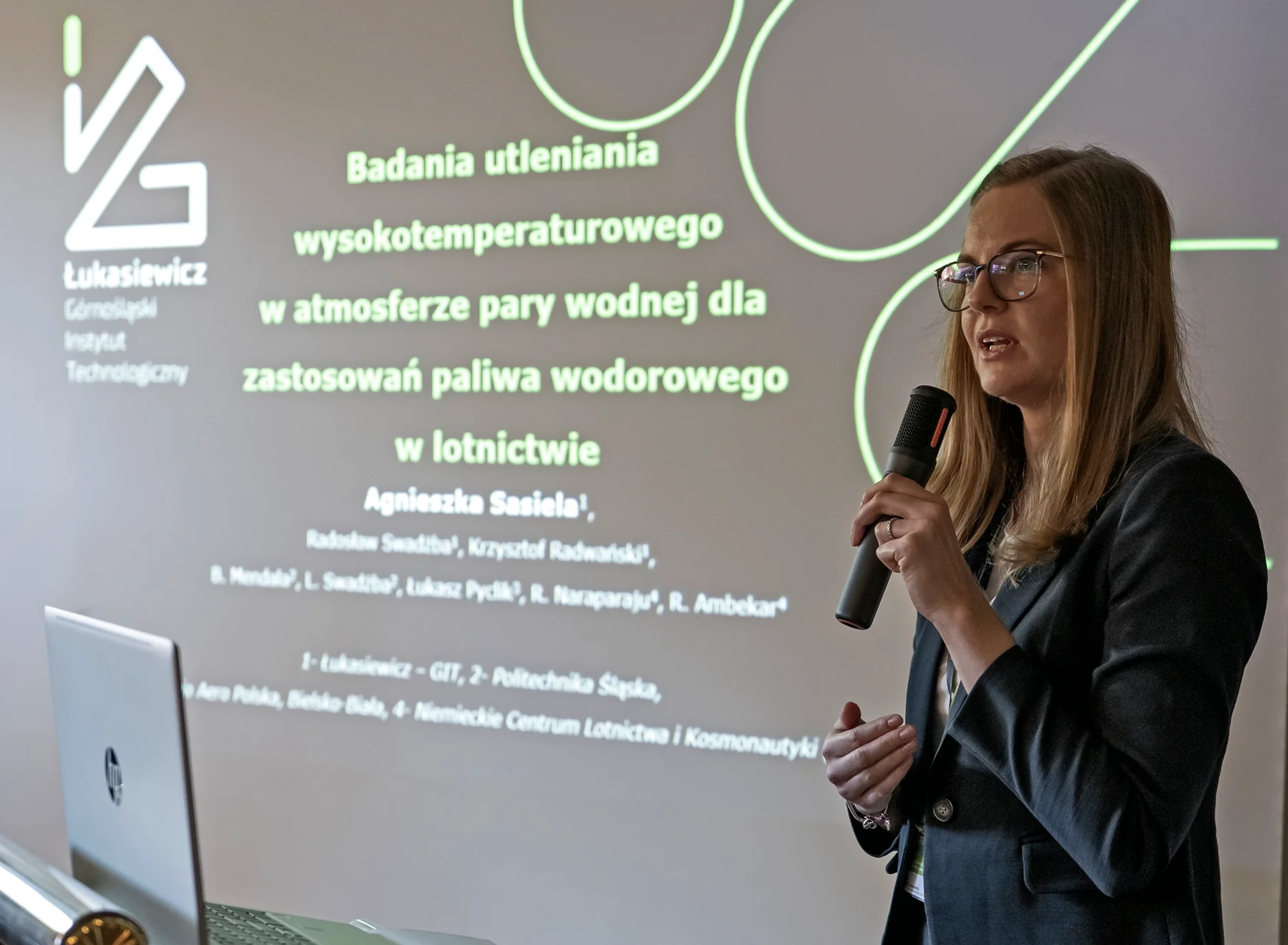
- Agnieszka Sasiela, BEng, MSc – “High-Temperature Oxidation Studies in a Water Vapour Atmosphere for Hydrogen Fuel Applications in Aviation”.
The presentations addressed topics essential to the development of modern industry, including materials research for the hydrogen economy, the use of chemical analysis in innovation processes, advances in non-destructive testing methods, and the design and assessment of materials operating under demanding service conditions.
Laboratories in Practice
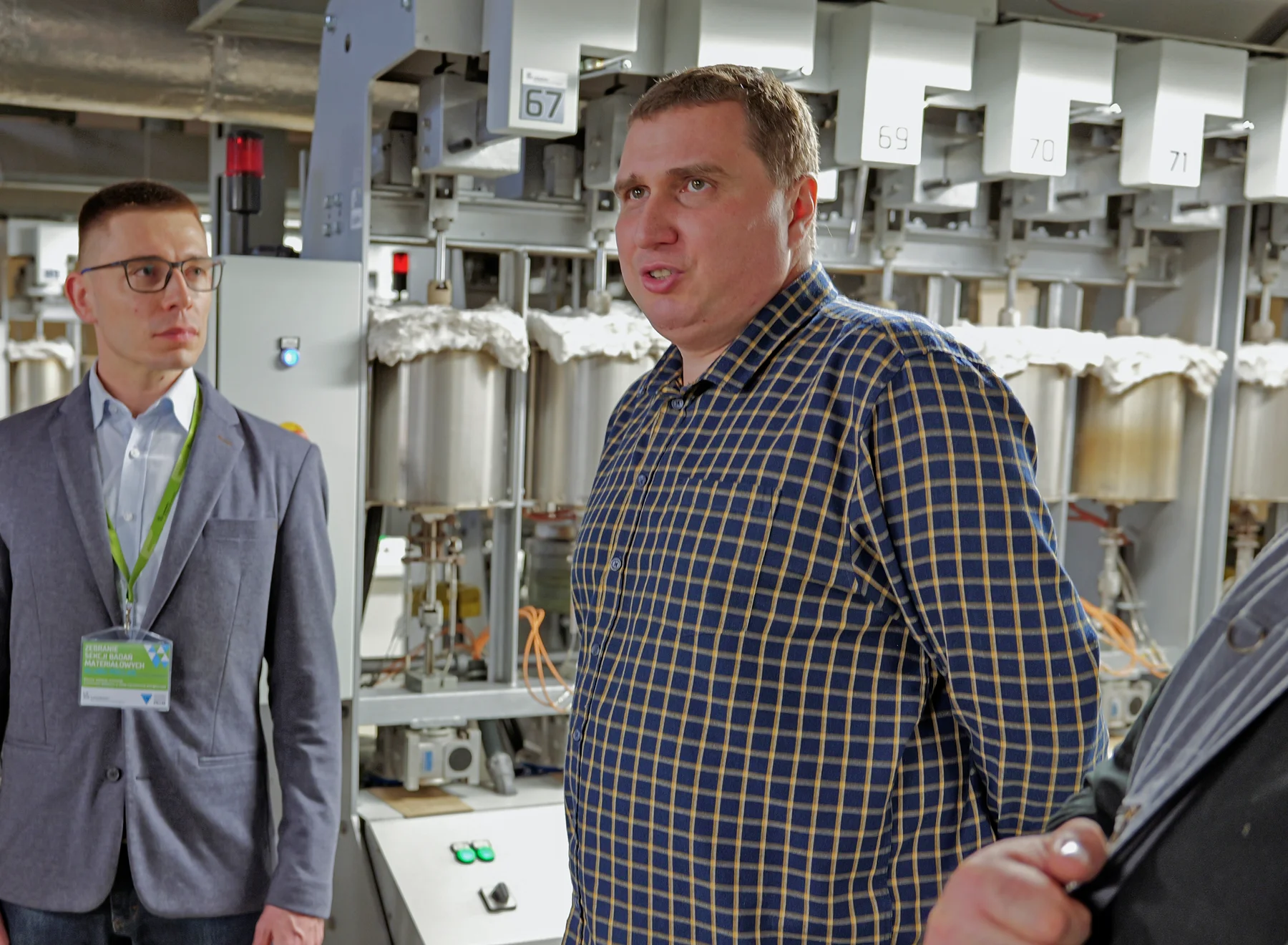
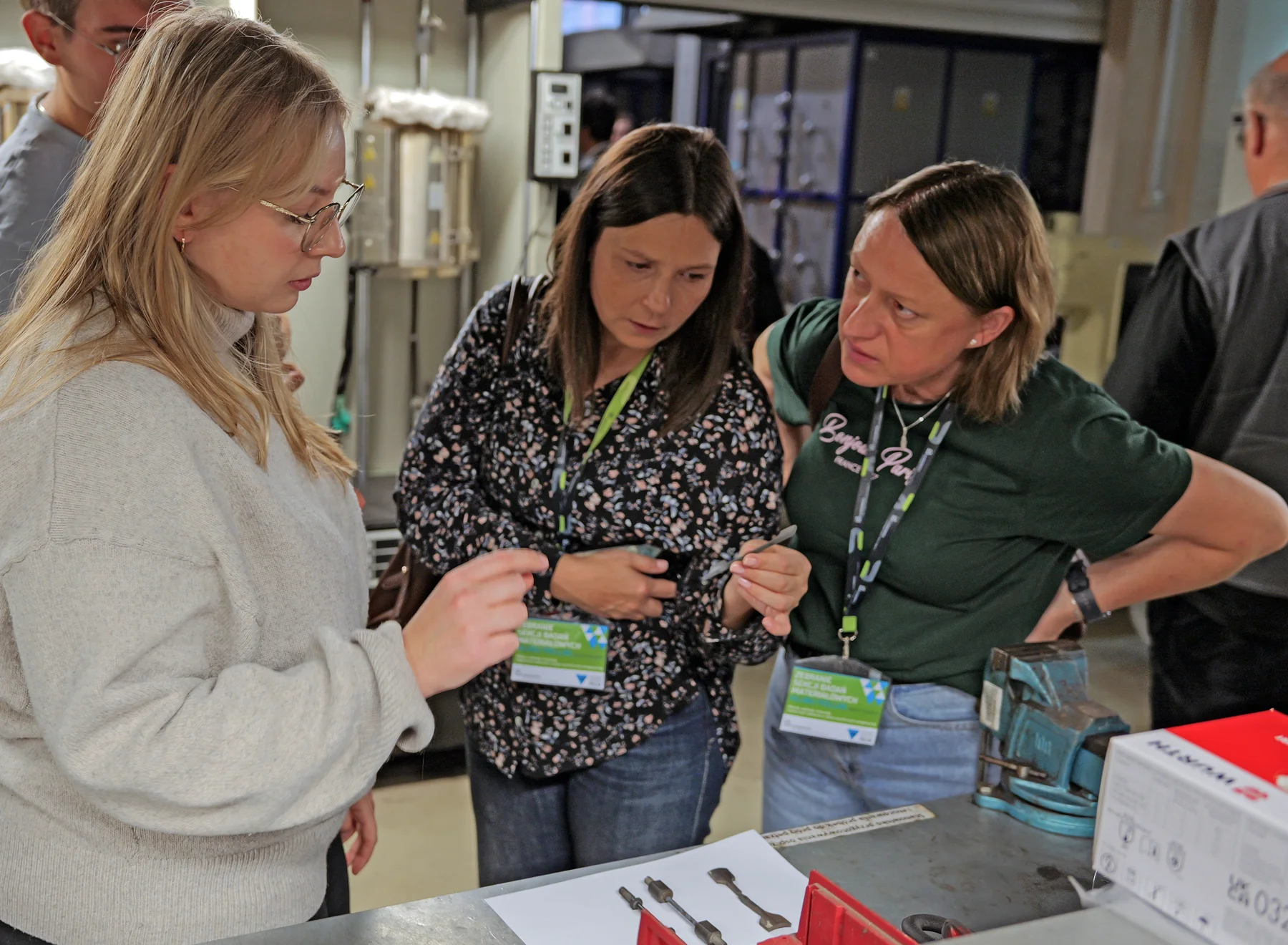
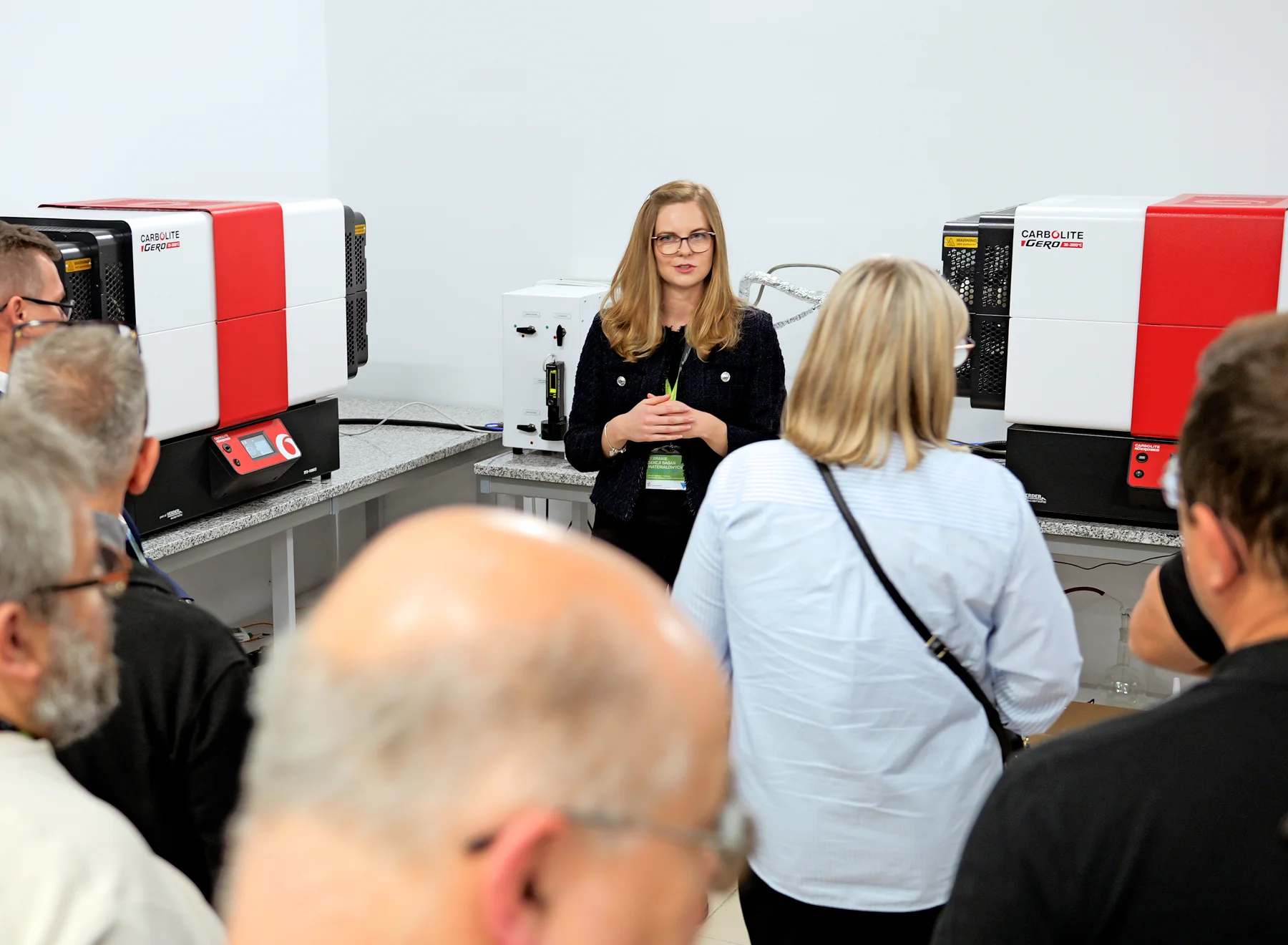
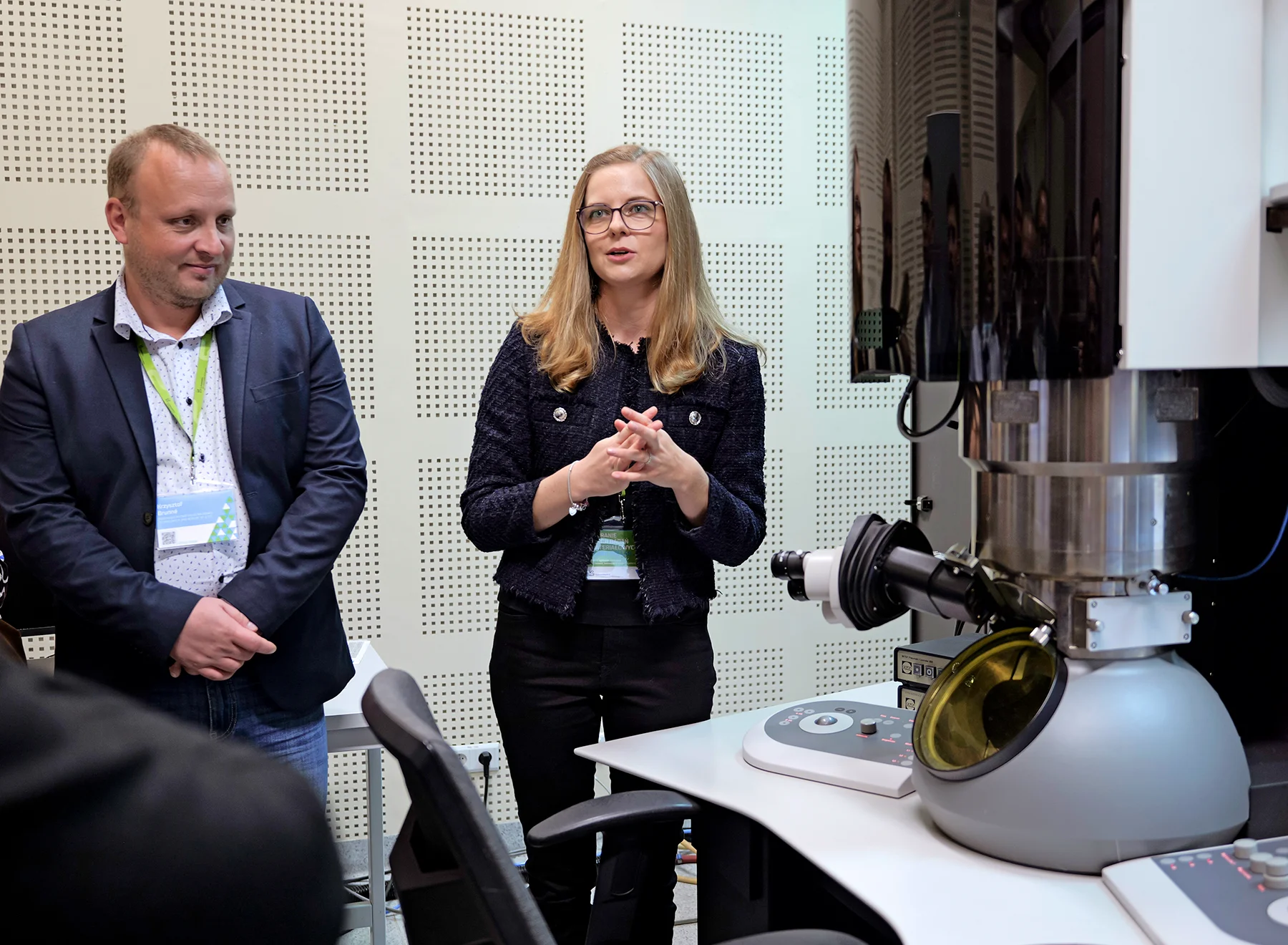
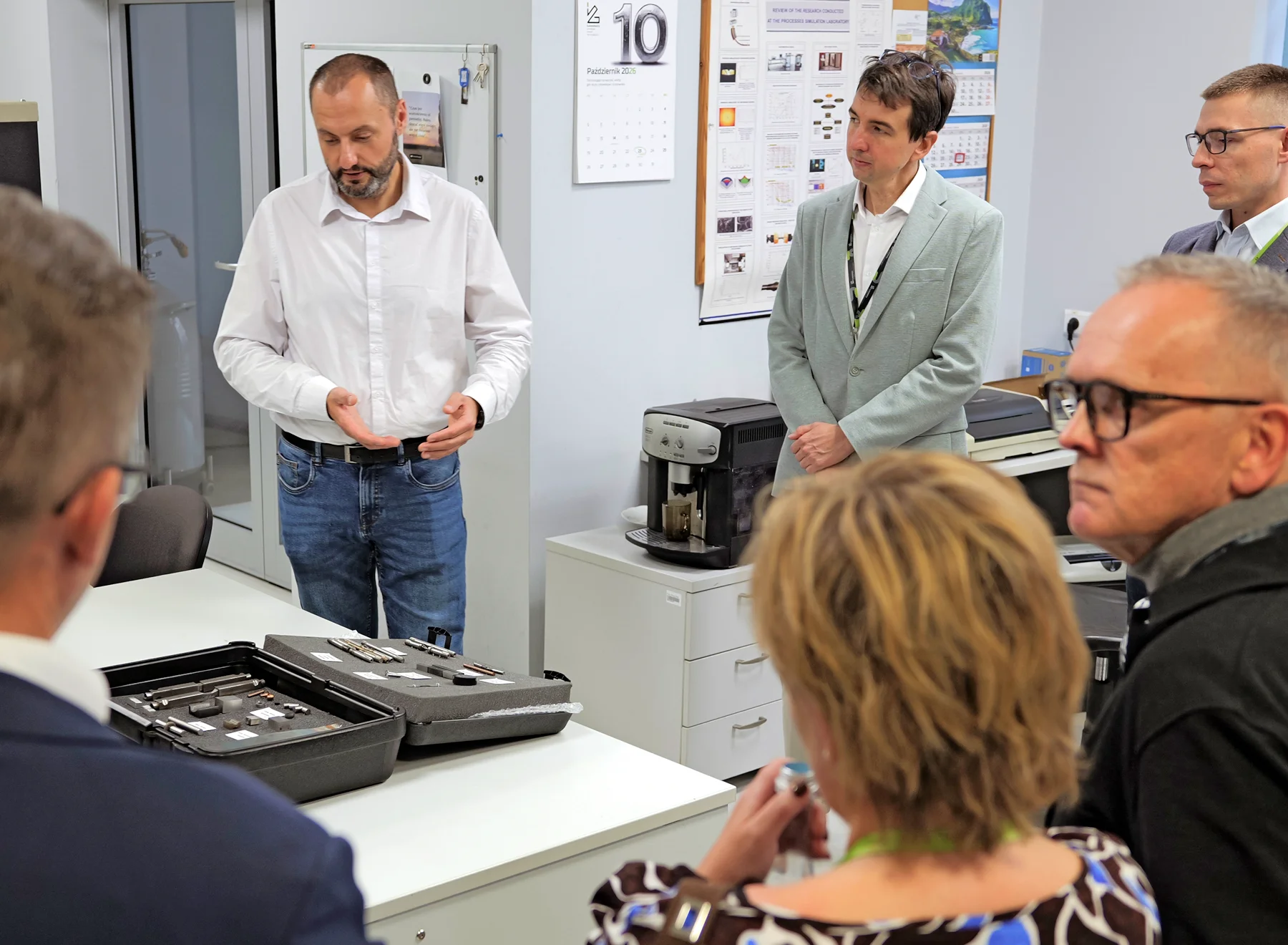
A key element of the programme was a tour of the Łukasiewicz – GIT laboratories. Participants had the opportunity to explore the Institute’s research facilities and learn about selected areas of its work related to materials analysis and the assessment of material properties.
The opportunity to see the laboratory infrastructure firsthand complemented the presentations and provided a setting for discussions on the practical aspects of conducting research, interpreting results, and applying research findings in industrial settings.
Cooperation for Research and Innovation
The energy transition presents new challenges for laboratories and research and industrial organisations. These include the development of research methods, the assessment of materials under demanding operating conditions, and the adaptation of technological solutions to the changing needs of industry.
The meeting of the POLLAB Club’s Materials Testing Section provided an opportunity to exchange experience, discuss current technical and scientific issues, and establish professional contacts among specialists representing different areas of research.
We would like to thank the POLLAB Club, all the speakers, and participants for their attendance, commitment, and inspiring discussions. Cooperation between laboratories, the scientific community, and industry remains an important driver of technological progress and the effective transfer of knowledge into industrial practice.