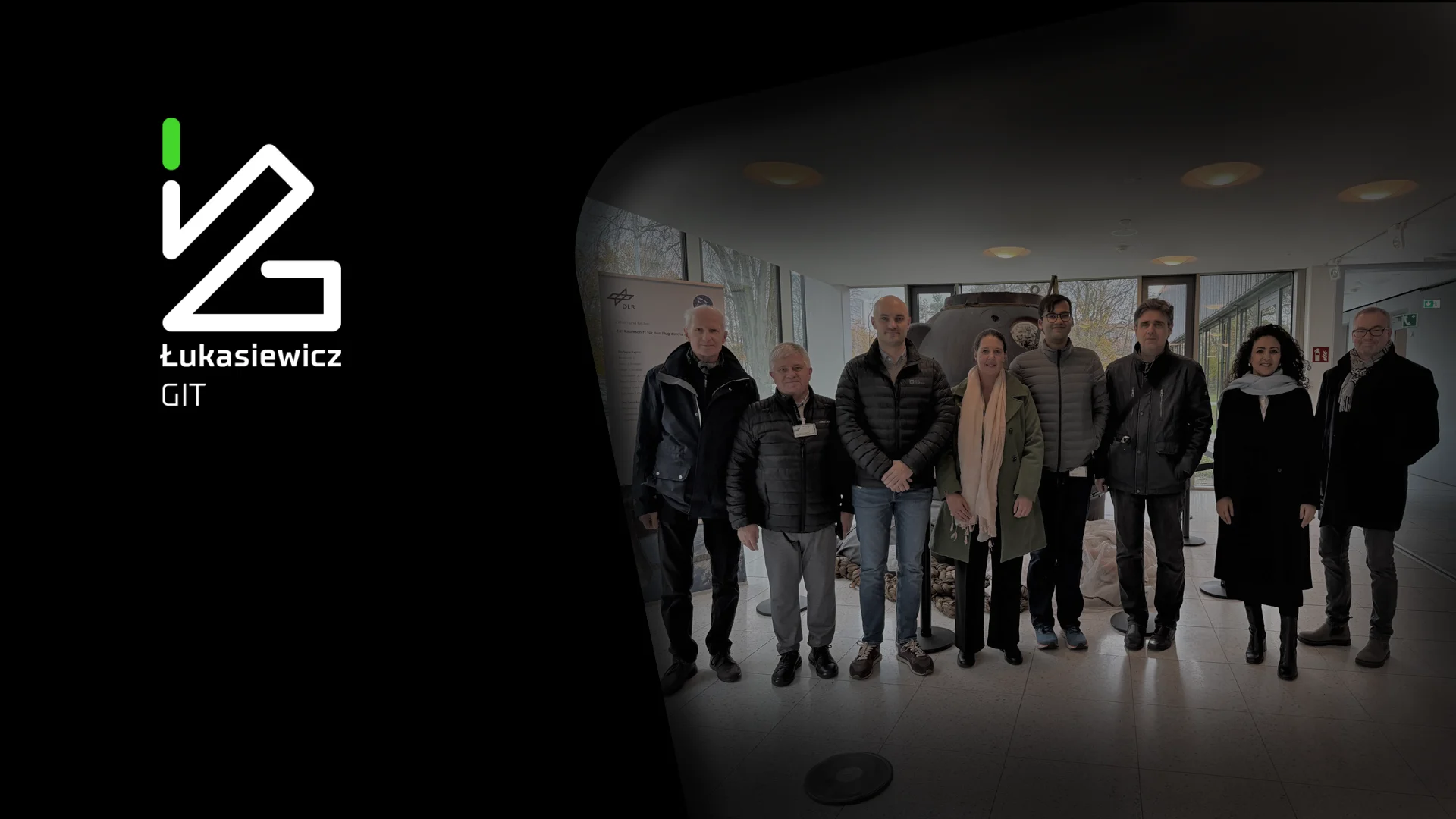
The development of MAX phase-based nanolaminate coatings, the comparison of deposition technologies and the investigation of degradation mechanisms under extreme conditions are the main areas of research addressed by the international HANACOAT project. The sixth project review meeting was held in Cologne. Łukasiewicz – GIT was represented at the meeting by Radosław SwadĽba, PhD, DSc Eng. who leads the project on behalf of the Institute.
The HANACOAT project focuses on the development and characterisation of advanced nanolaminate coatings based on MAX phase materials, which contain, among other elements, chromium or titanium and aluminium. The coatings are produced using various physical vapour deposition (PVD) techniques. Their purpose is to enhance the resistance of materials to high temperatures and aggressive environments, including atmospheres containing water vapour.
Potential applications include aircraft engine components and other elements operating under demanding service conditions, where material durability and corrosion resistance are of critical importance.
An important aspect of the project is the comparison of three PVD technologies available at the partner research centres in Poland and Germany, including Closed Hollow Cathode Physical Vapour Deposition (CHC-PVD). The research aims to determine how the parameters of individual deposition processes affect the structure and properties of the resulting coatings.
The coatings are deposited onto substrates made of advanced materials, such as titanium aluminide intermetallic alloys (TiAl). Using scanning transmission electron microscopy (STEM), the researchers also investigate coating degradation mechanisms at high temperatures and in water vapour-containing atmospheres. This will provide a better understanding of coating behaviour during long-term operation.
Sixth project partners' review meeting
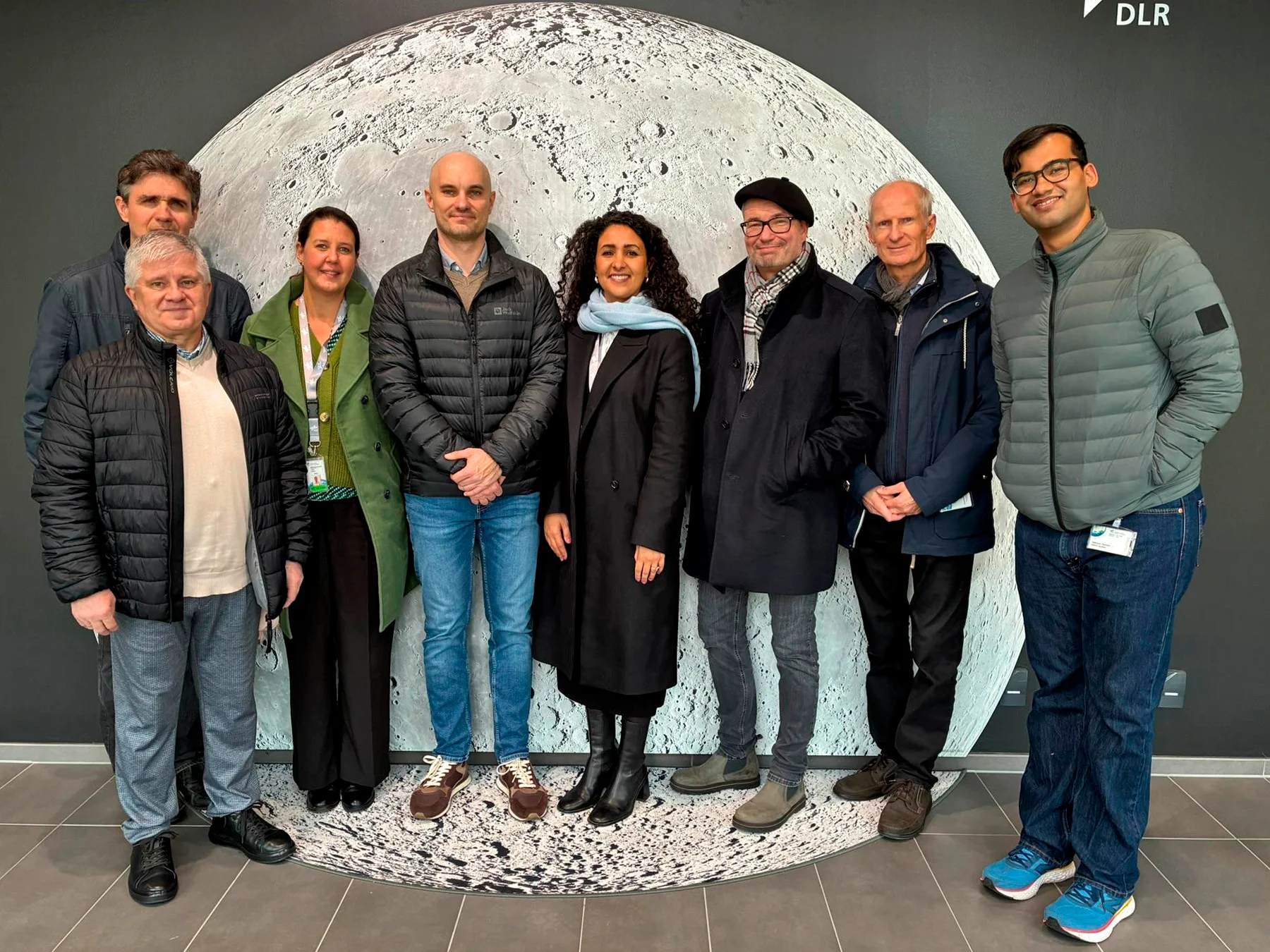
The sixth review meeting was held at the German Aerospace Center (DLR) in Cologne. It provided an opportunity to present research progress, exchange findings and discuss the next stages of collaboration.
The meeting was attended by Prof. Jochen Schneider, Stanislav Mraz, Dr. rer. nat. and Sameer Salmann, M.Sc. from RWTH Aachen University; Prof. Uwe Schulz, Nadine Laska, Dr. and Sarra Boubtane, M.Sc. from the German Aerospace Center (DLR); Radosław SwadĽba, PhD, DSc Eng. from Łukasiewicz – GIT; and Bogusław Mendala, PhD, DSc Eng. from the Silesian University of Technology.
Radosław SwadĽba, PhD, DSc Eng. who leads the project on behalf of Łukasiewicz – GIT, discussed the research findings and further directions of work on nanolaminate coatings together with the other project partners.
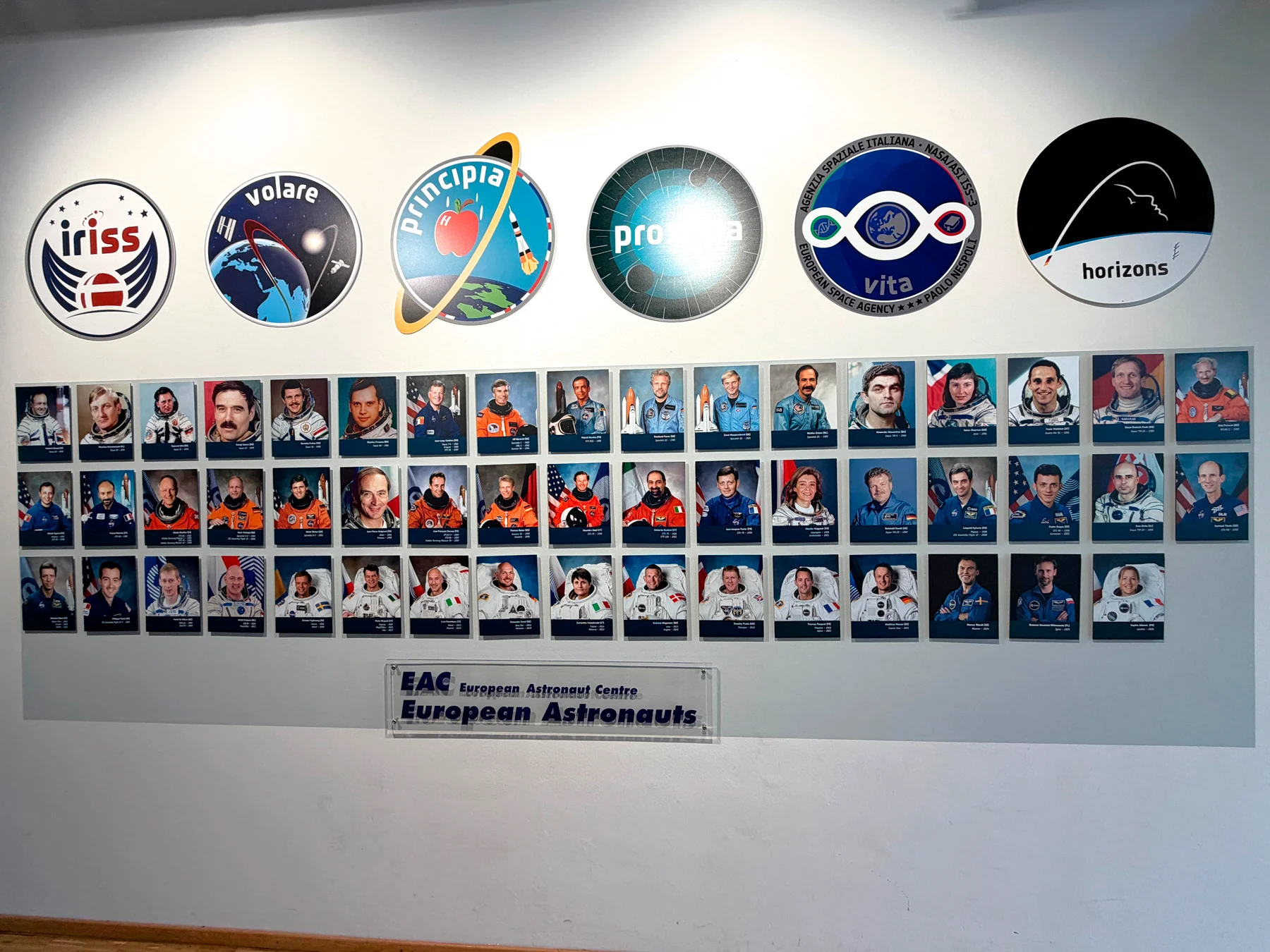
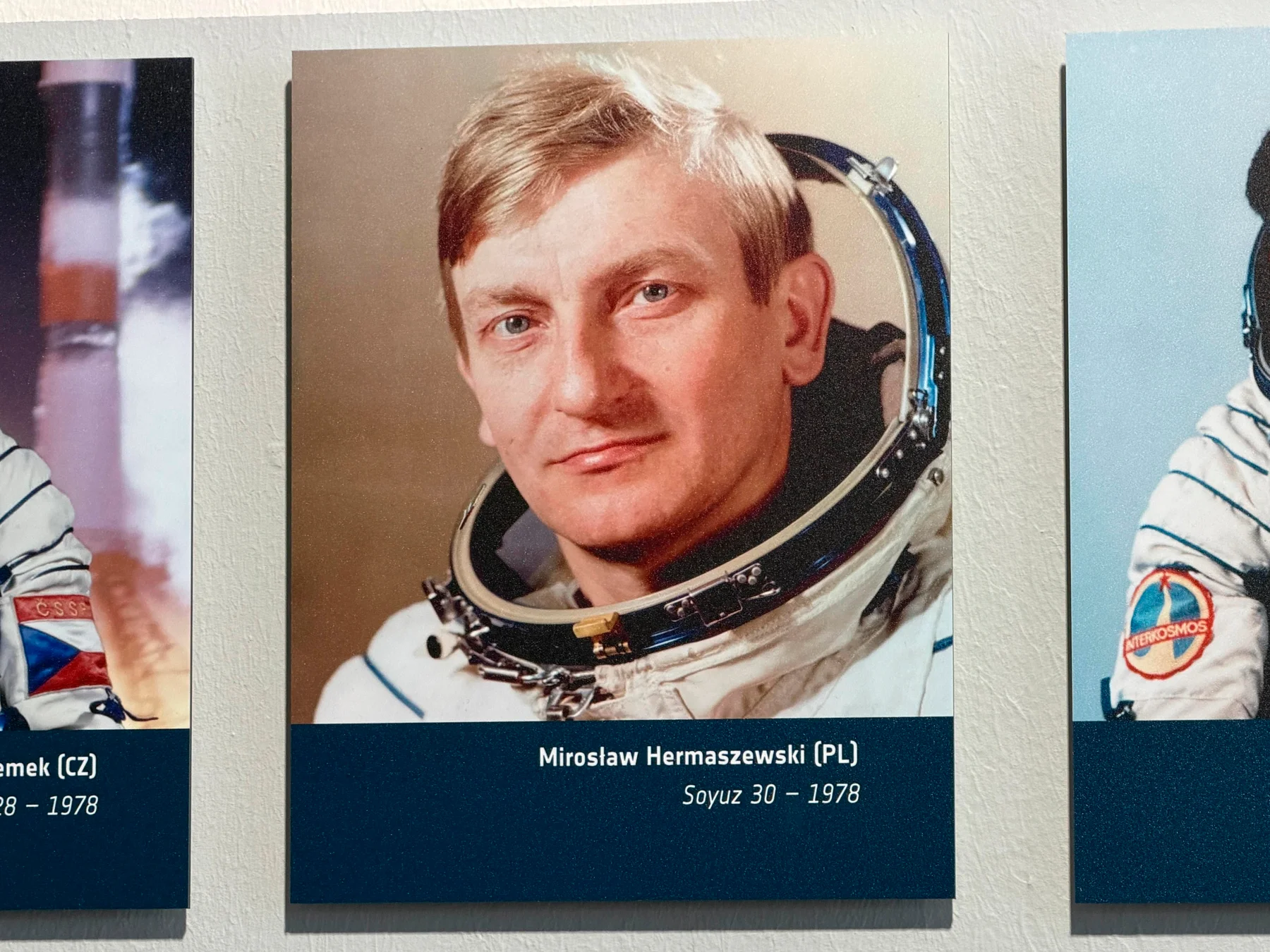
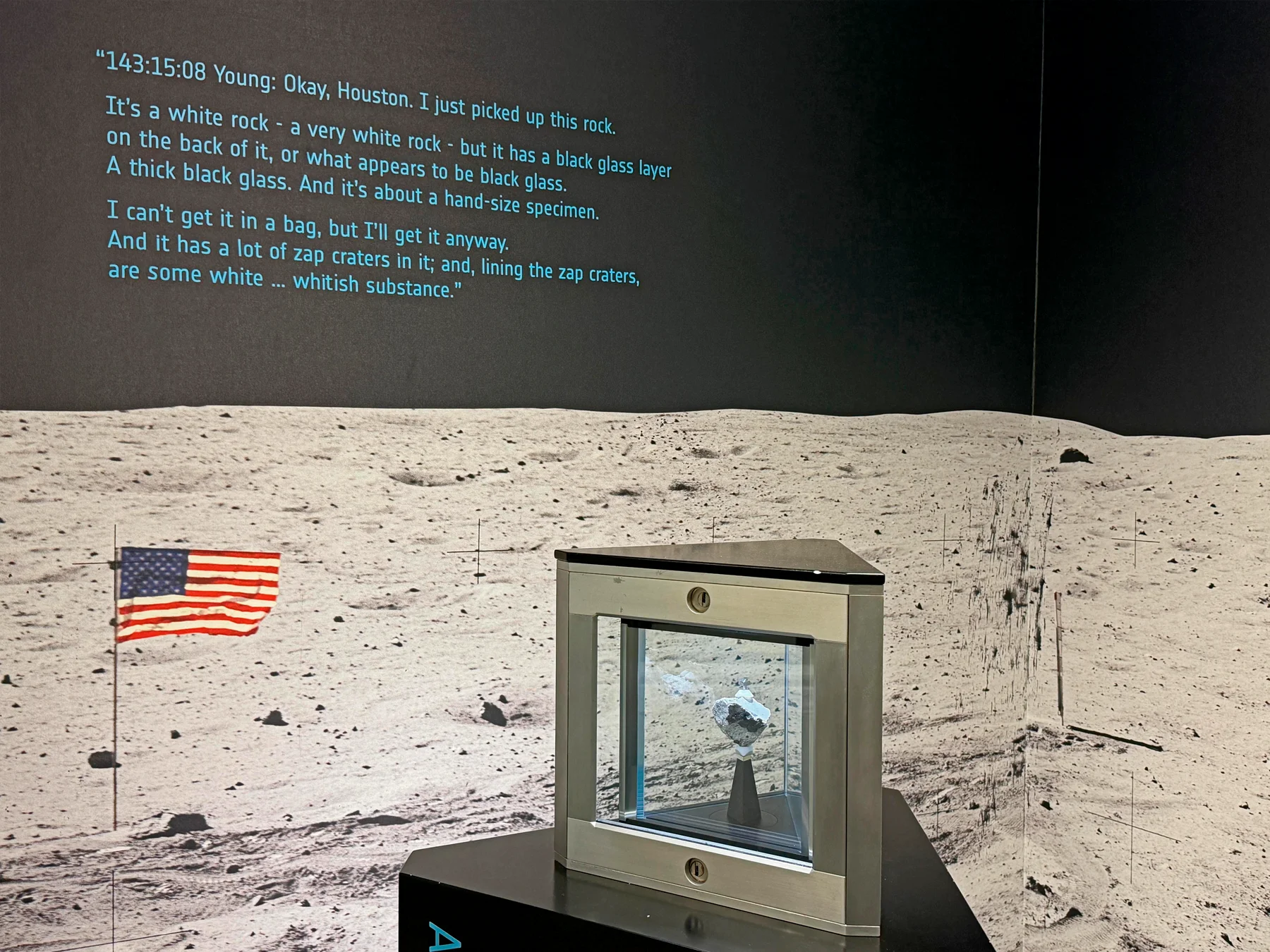
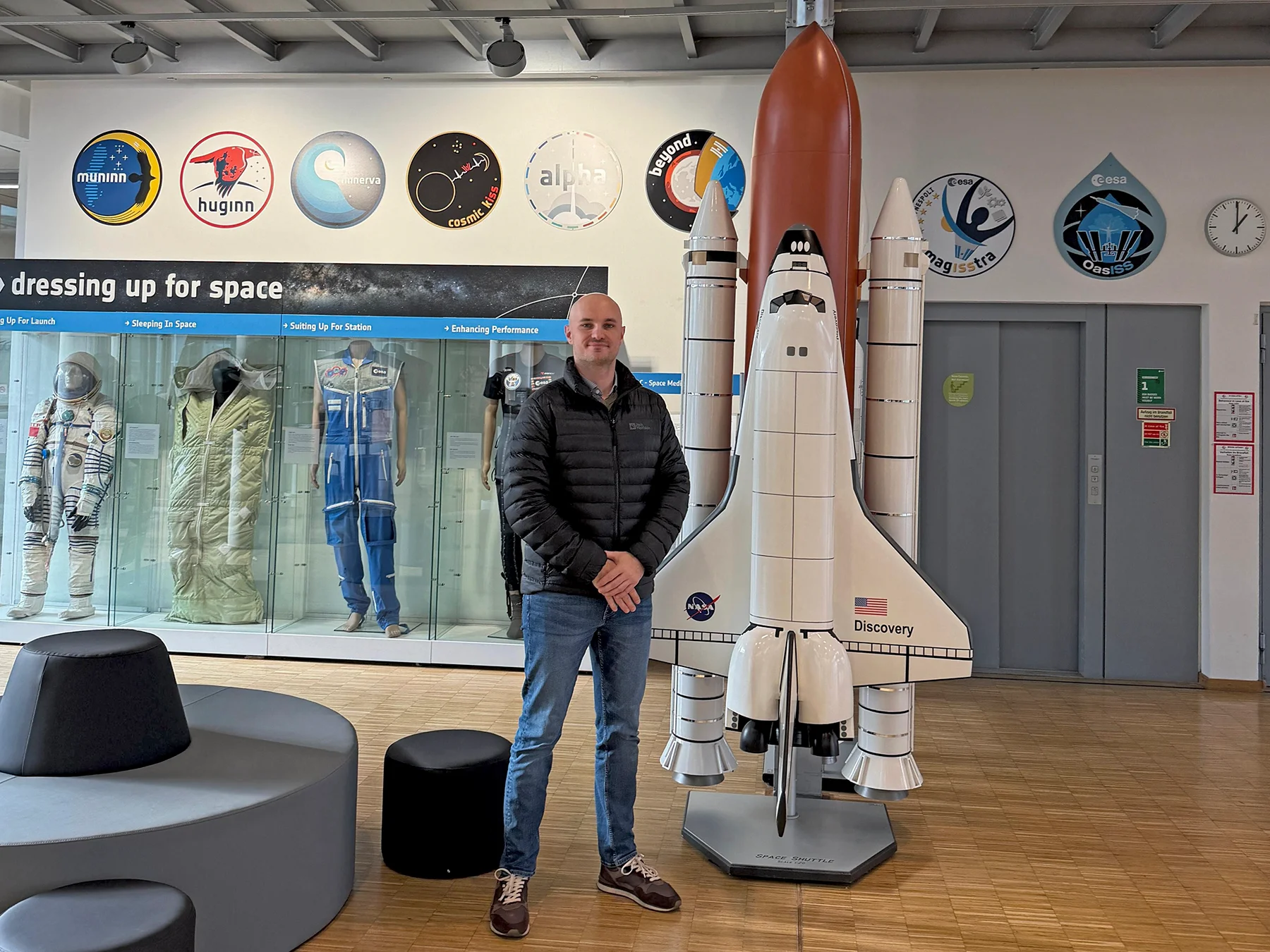
The programme also included a visit to the LUNA facility in Cologne, a state-of-the-art training and research centre established by DLR in cooperation with the European Space Agency (ESA). The facility simulates the conditions of the lunar surface and enables the testing of technologies, equipment and procedures in preparation for future human and robotic missions. The visit offered an opportunity to learn about the infrastructure supporting the development of space technologies.
International research partnership
The HANACOAT project is carried out under the WEAVE-UNISONO programme, funded by the National Science Centre (NCN) in Poland and the German Research Foundation (DFG) in Germany. The consortium brings together four institutions: the Łukasiewicz Research Network – Upper Silesian Institute of Technology, the Silesian University of Technology, the German Aerospace Center (DLR) and RWTH Aachen University.
By combining the expertise and research infrastructure of partners from Poland and Germany, the project enables comprehensive investigations into nanolaminate coating deposition technologies and their performance under demanding conditions. The knowledge gained may contribute to the development of more durable materials for the aerospace industry and other sectors involving high-temperature applications.
For more information about the HANACOAT project, visit the project website.