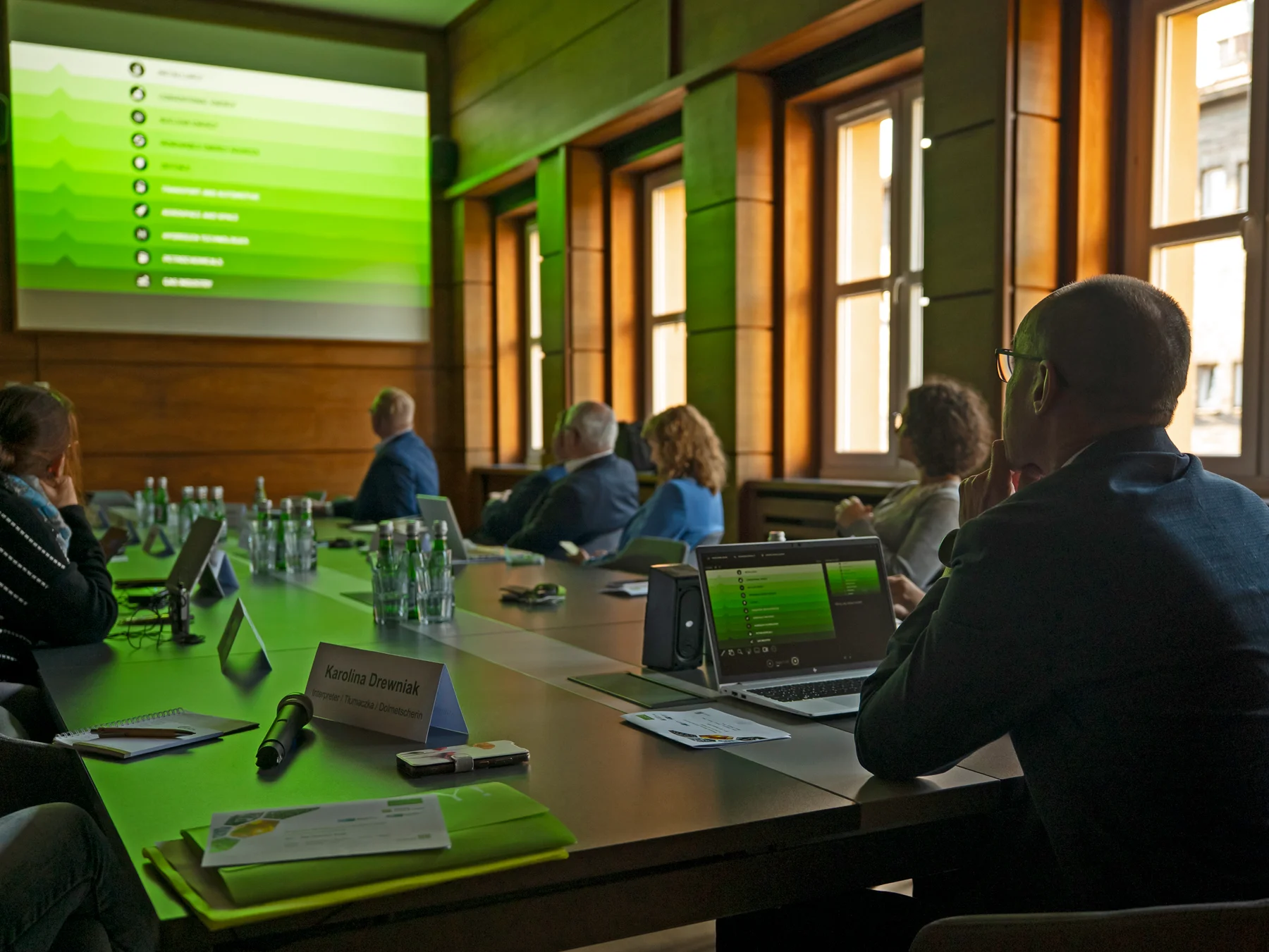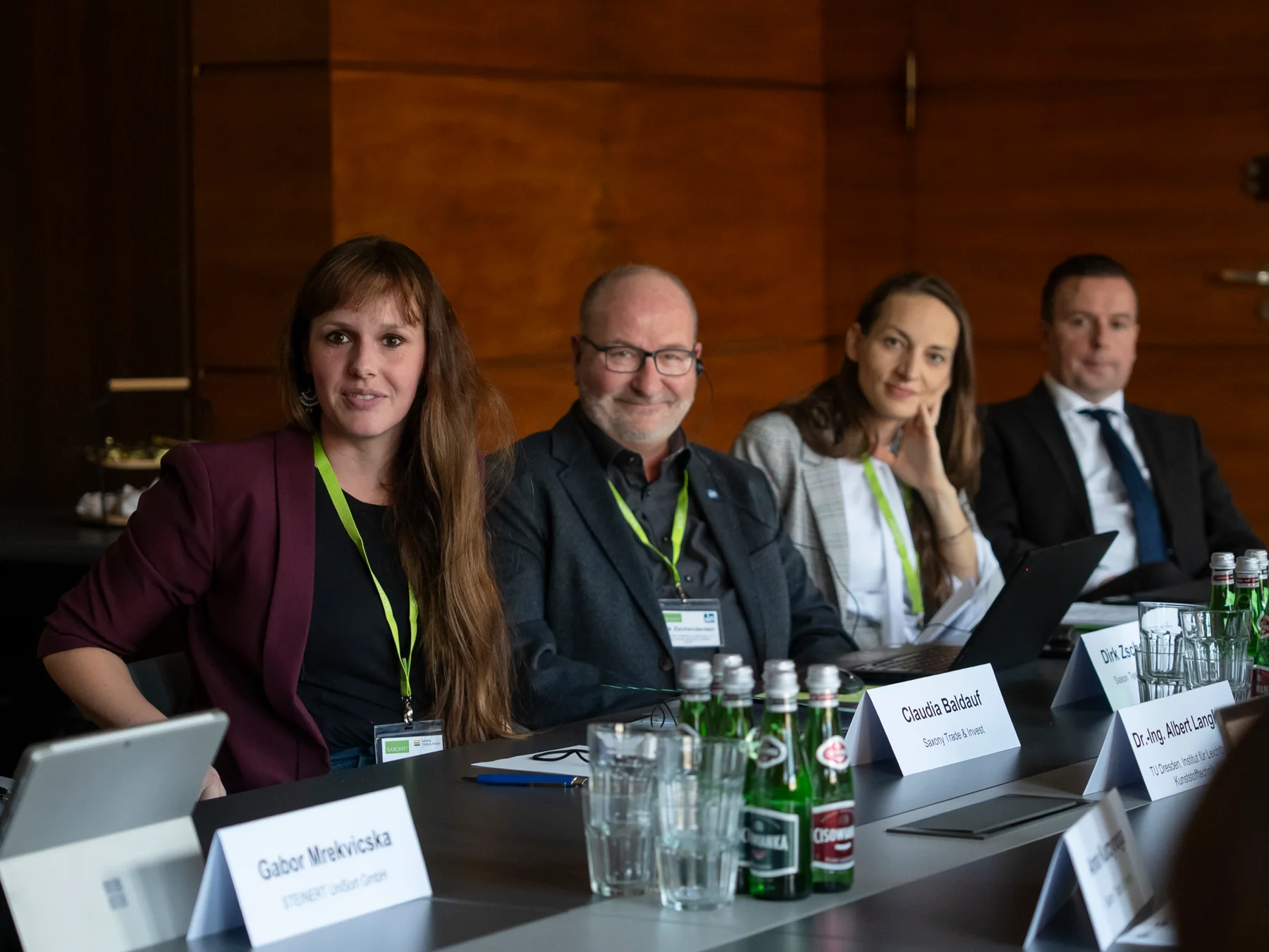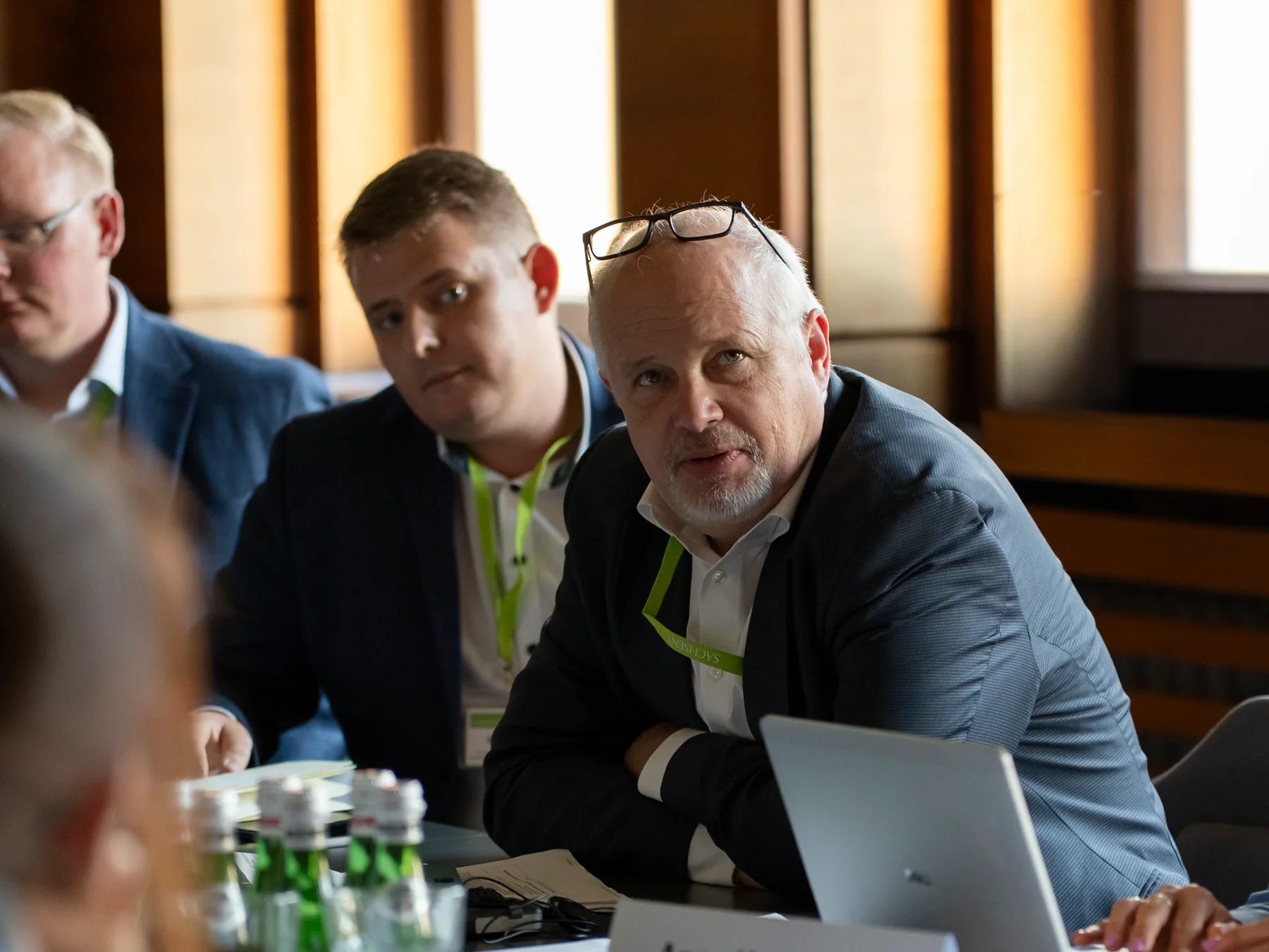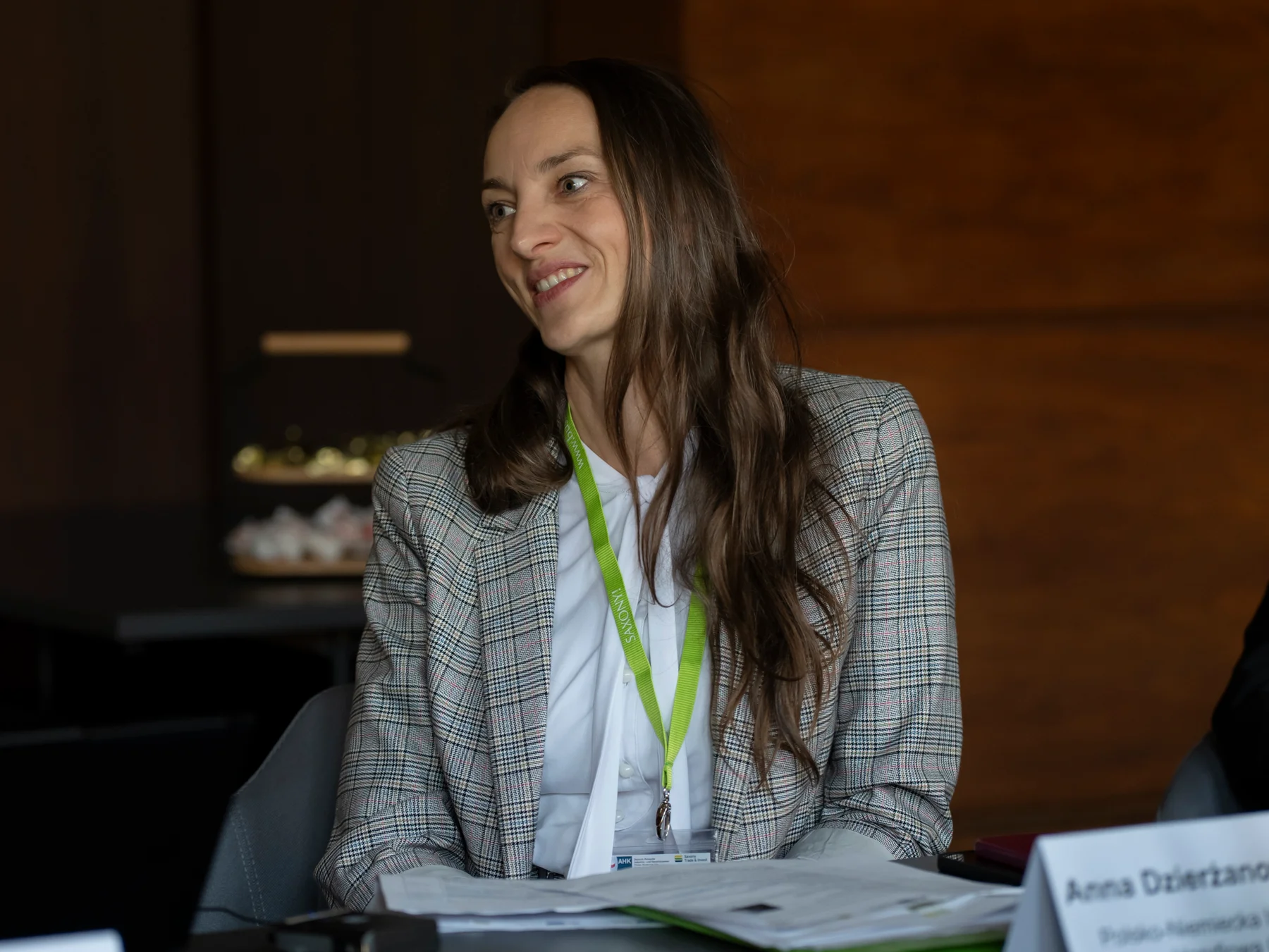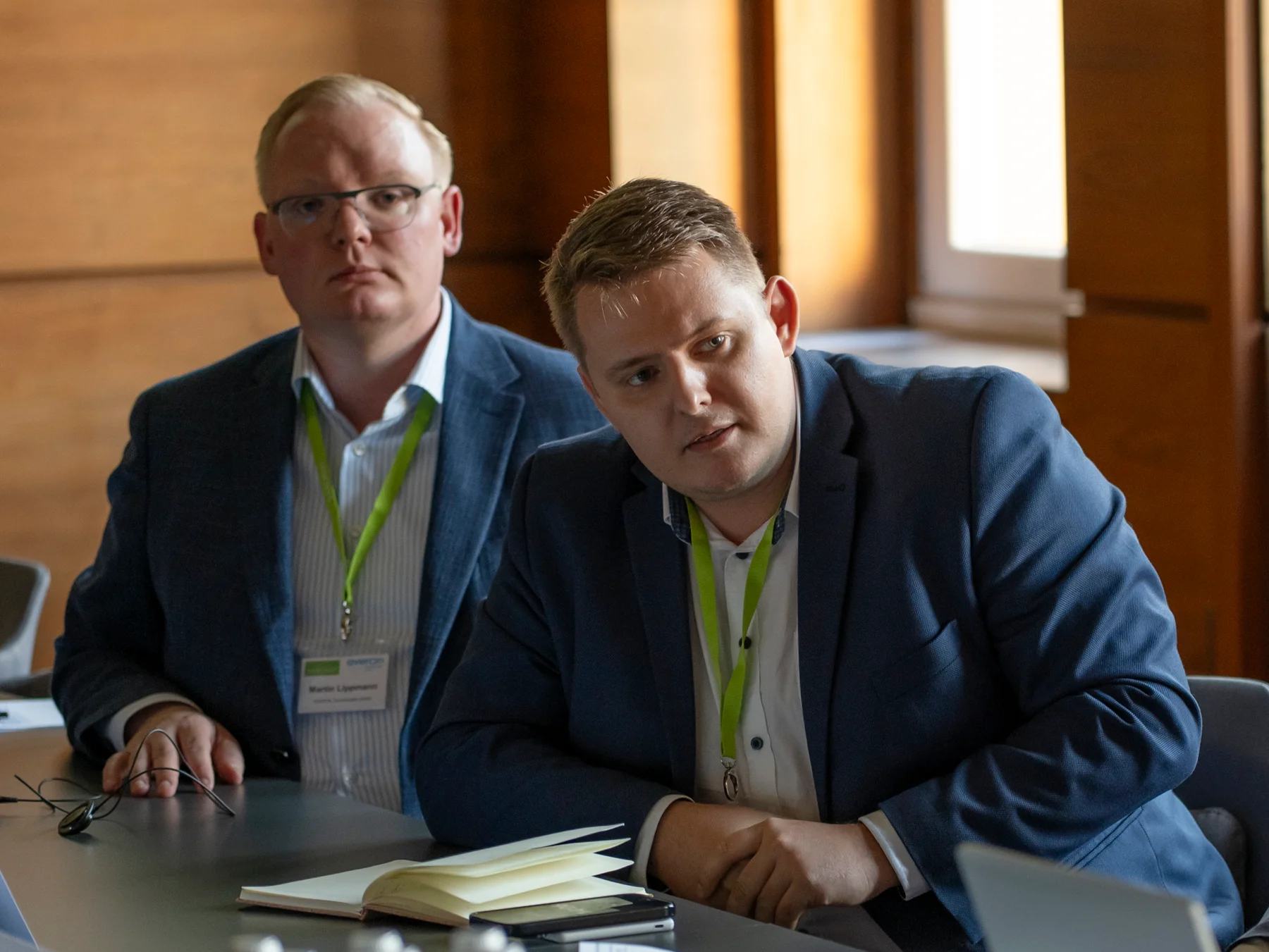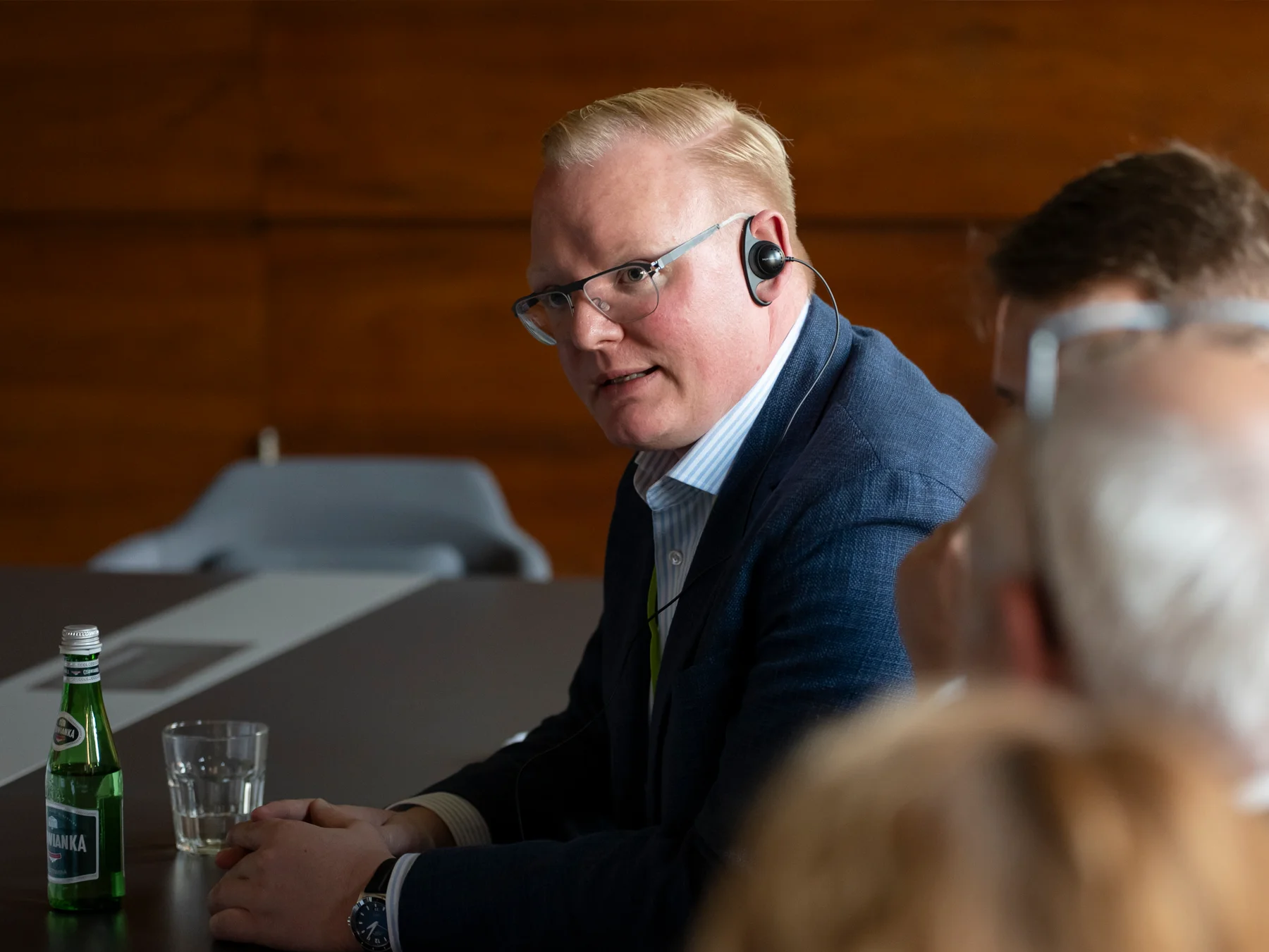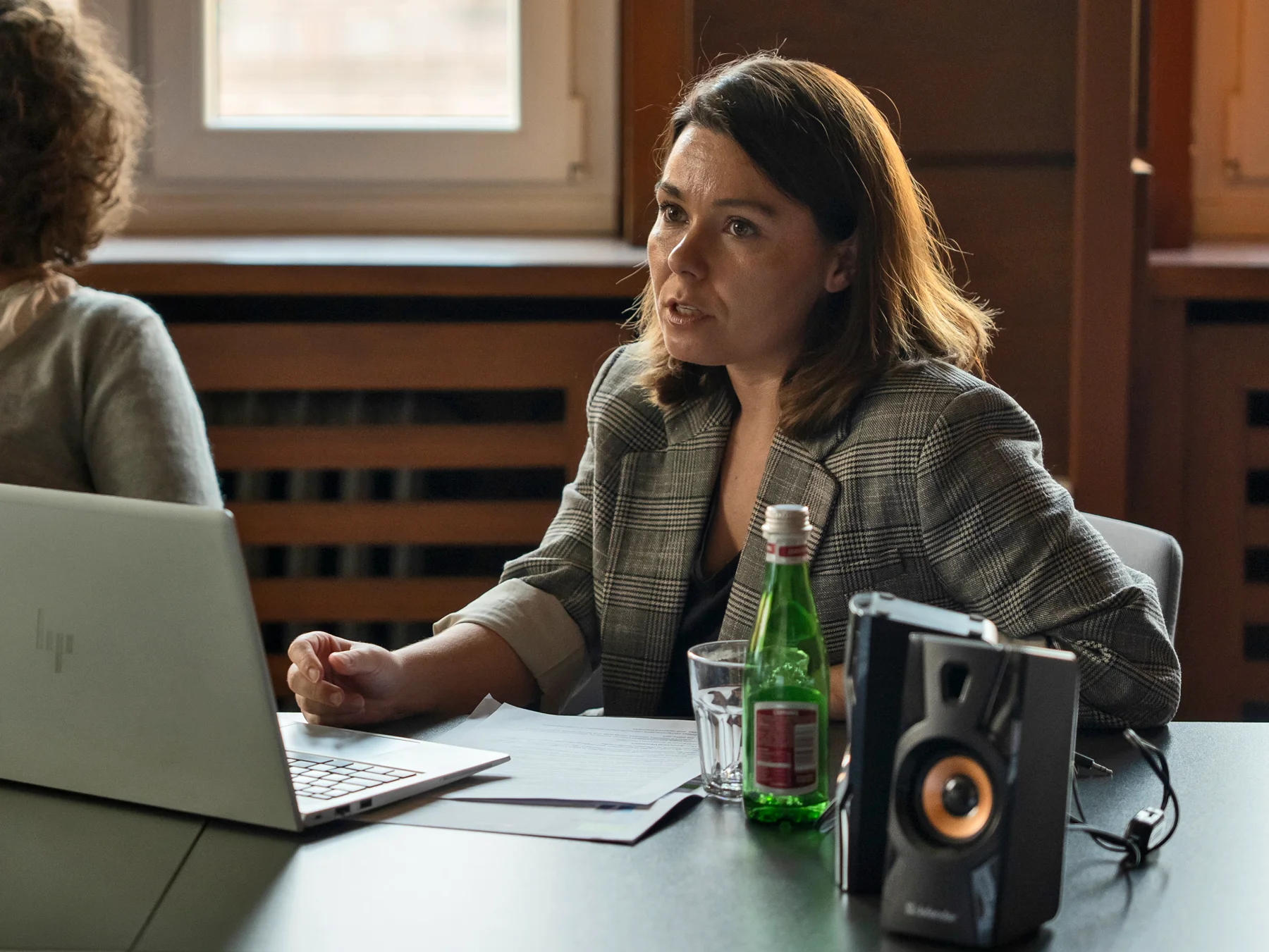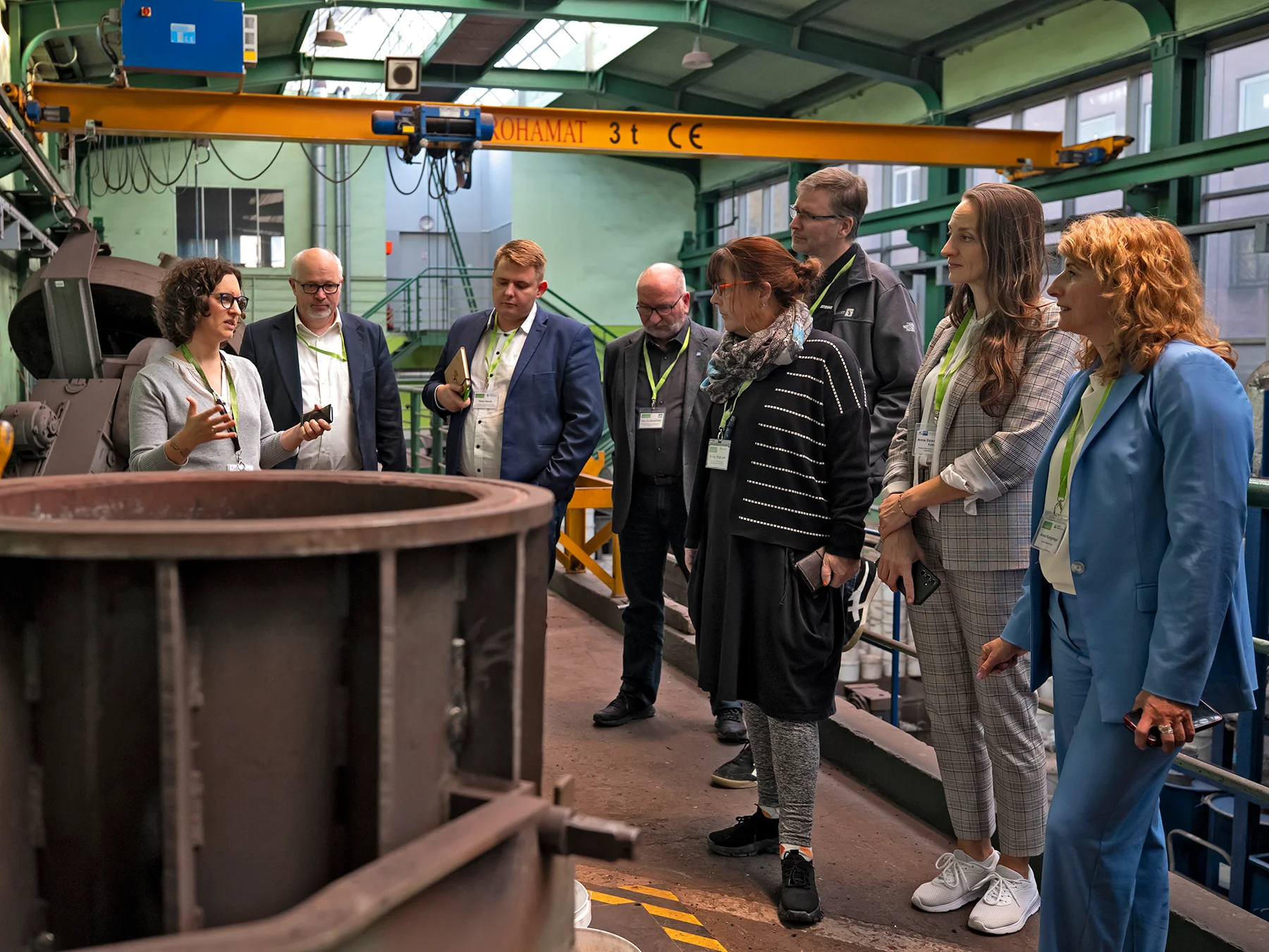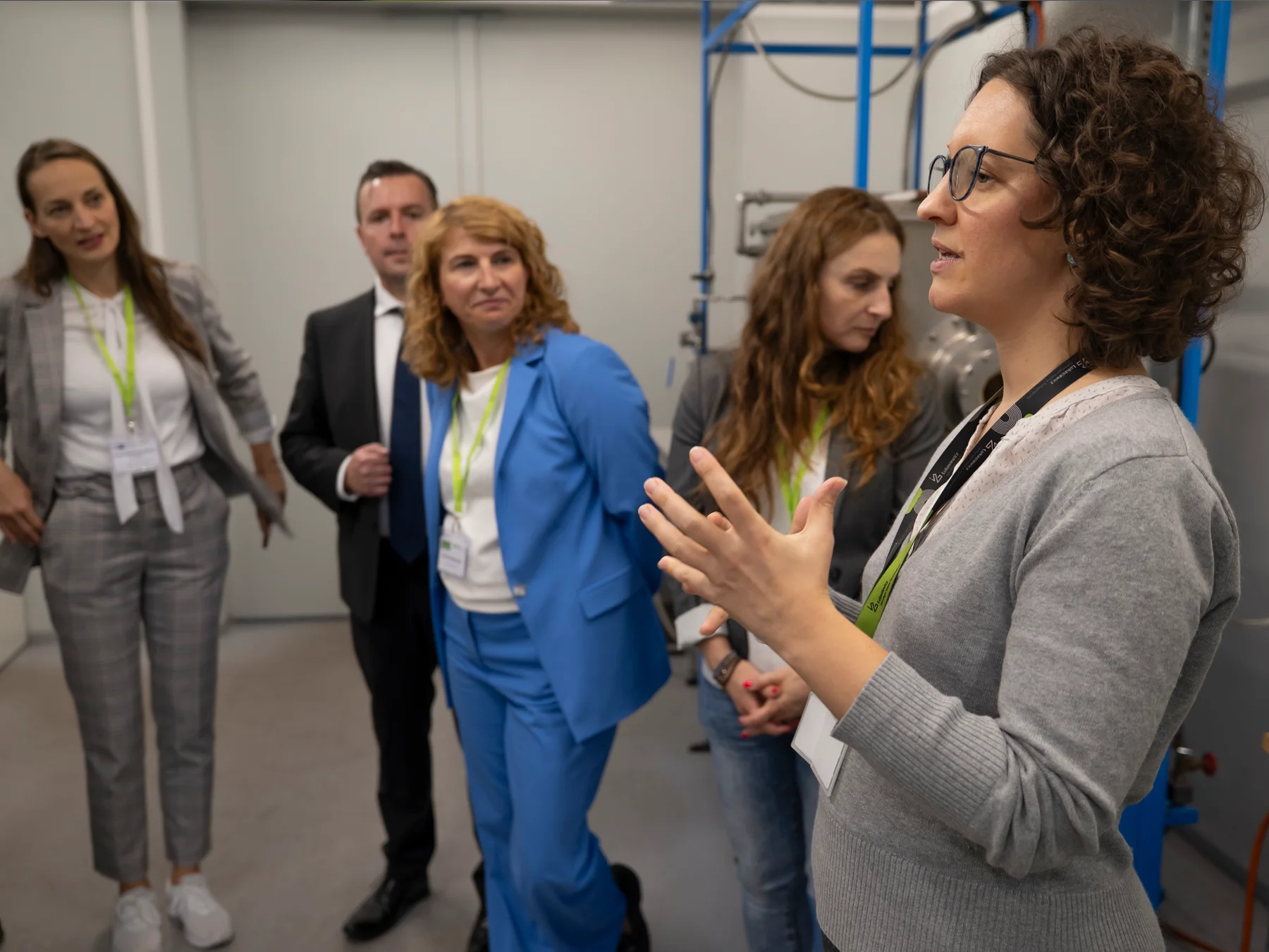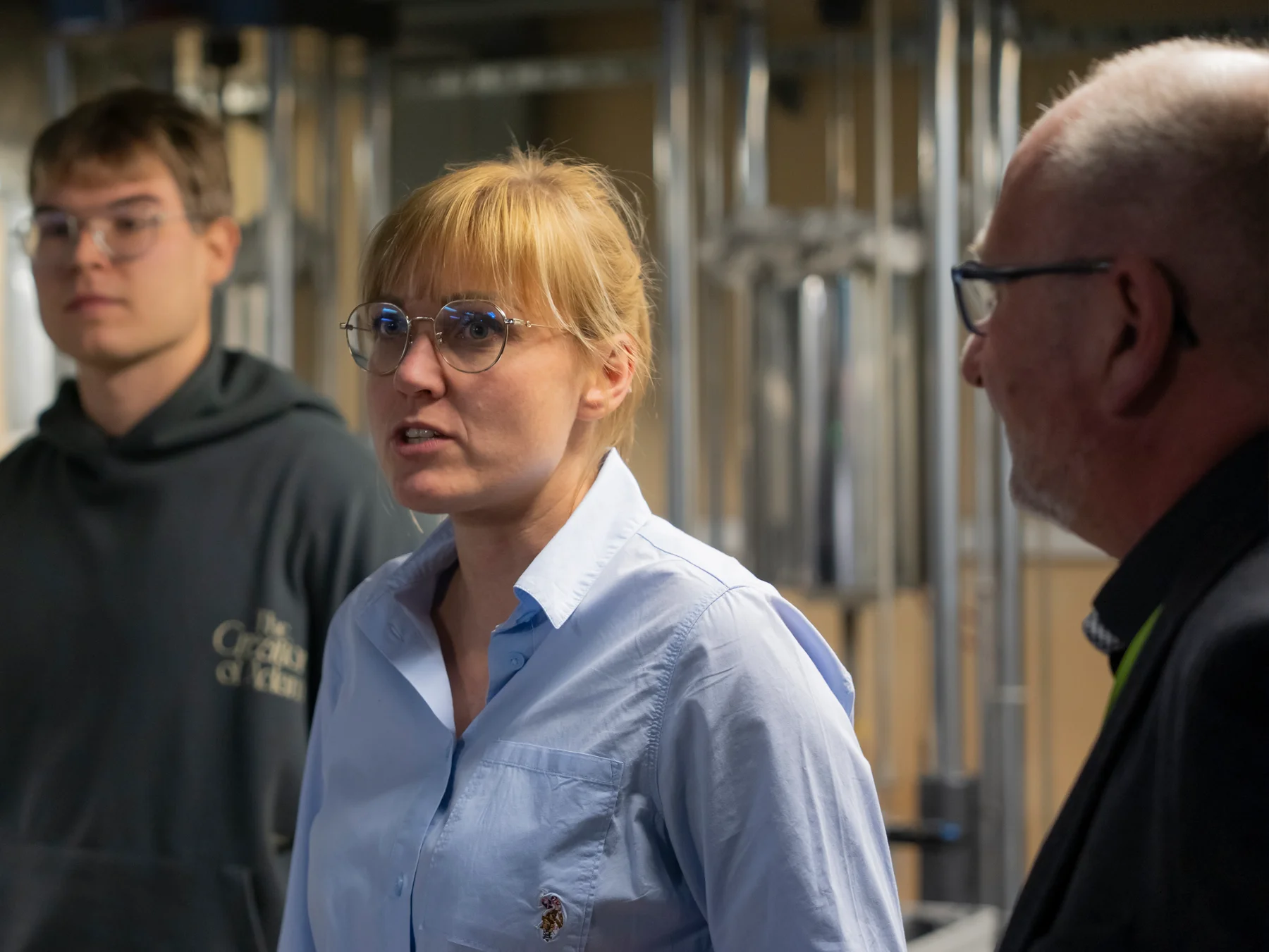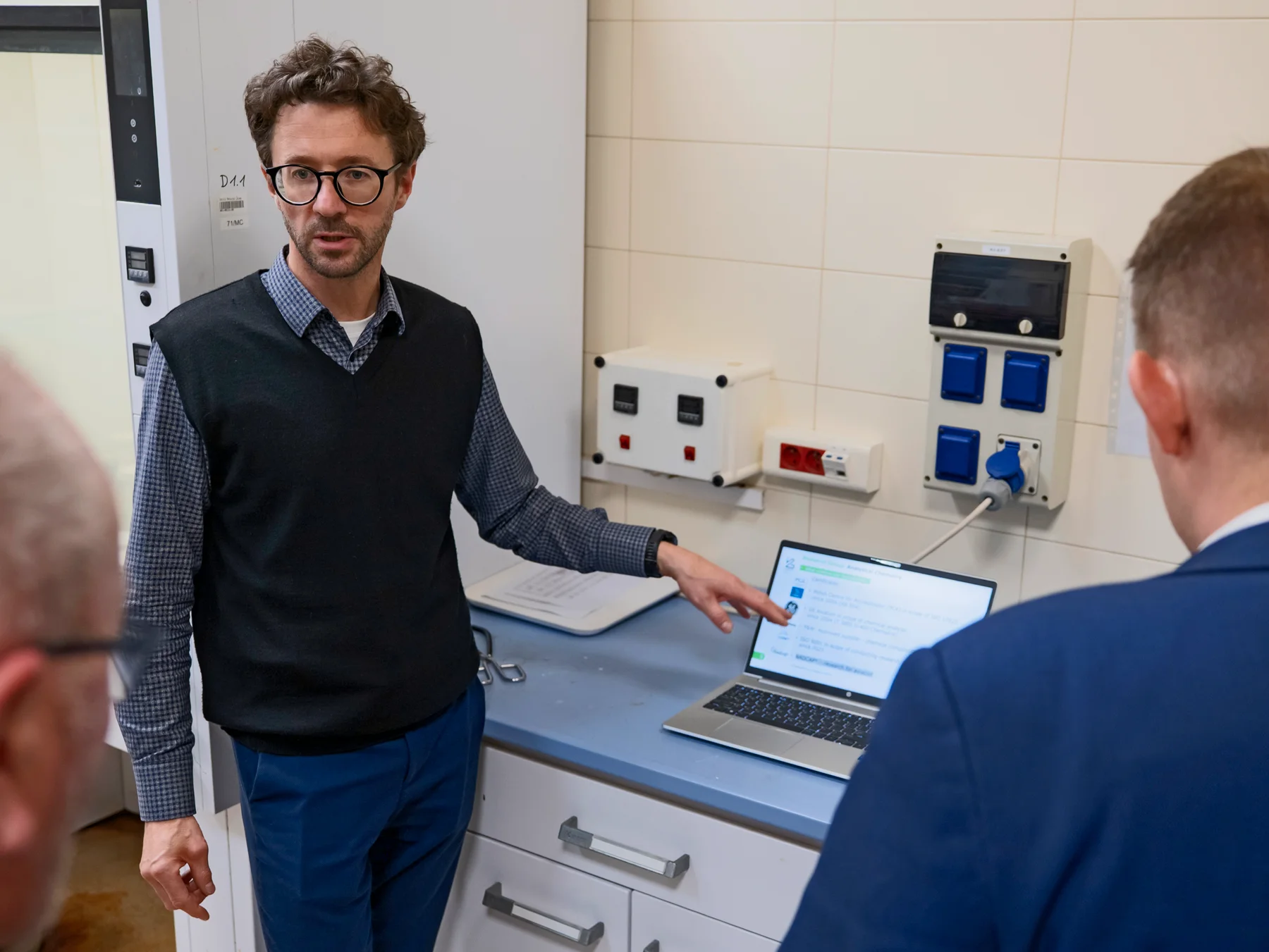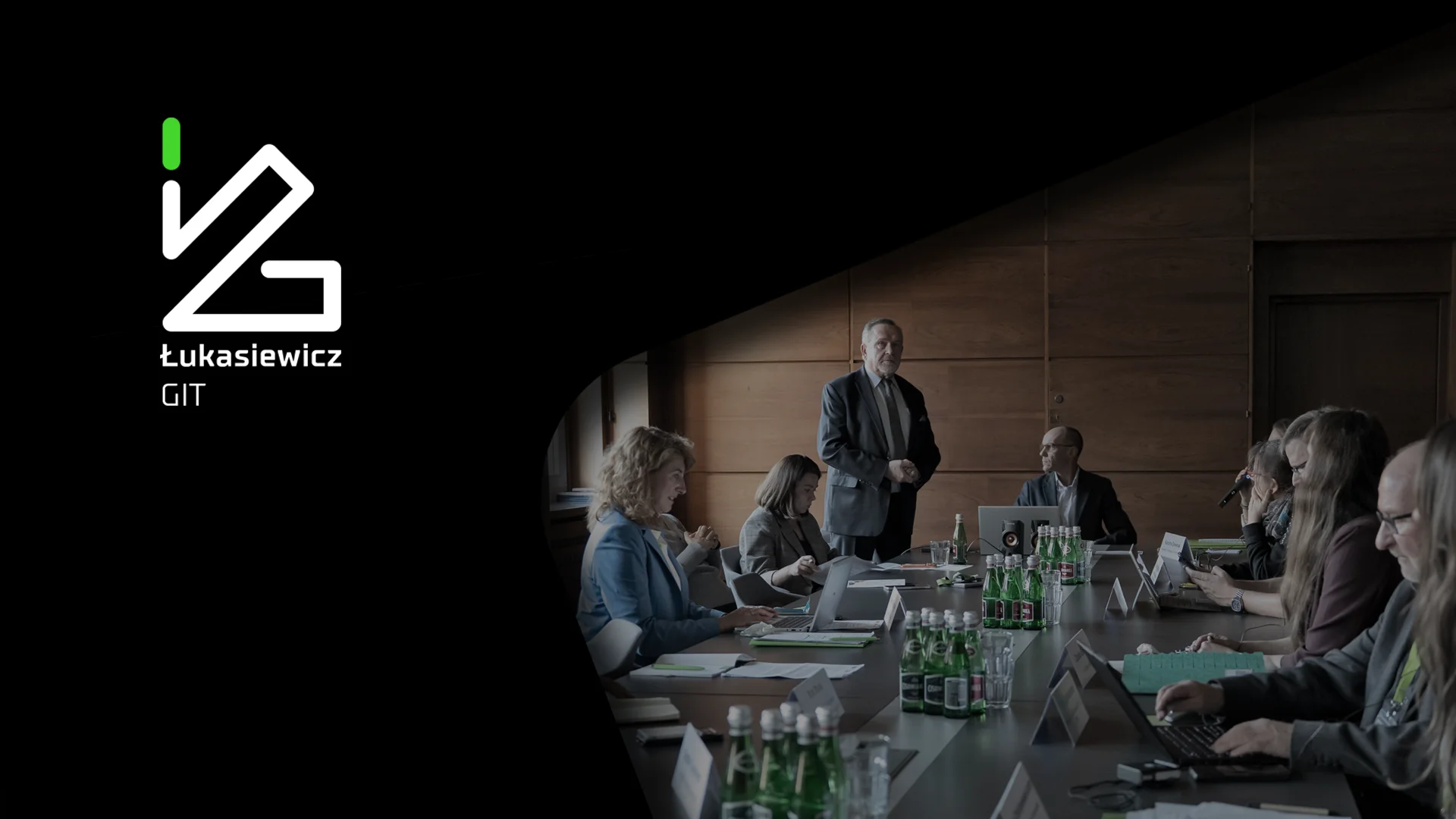
On 28 October 2026, the Łukasiewicz Research Network – Upper Silesian Institute of Technology (Łukasiewicz – GIT) welcomed representatives of German research institutions, companies and business development organisations. The visit took place as part of the Business Mission “Circular Economy”, organised in cooperation with the Regional Chamber of Industry and Commerce in Gliwice (RIPH), Saxony Trade & Invest (Wirtschaftsförderung Sachsen GmbH), and the Polish-German Chamber of Industry and Commerce (AHK Polska). The meeting provided an opportunity to showcase the Institute’s research capabilities and exchange knowledge and experience in the field of the circular economy.
The delegation visited the Institute accompanied by Wiktor Pawlik, President of the Regional Chamber of Industry and Commerce in Gliwice, and Daniel Ballon, Chairman of the Chamber’s Committee for International Cooperation.
The participants included Dr.-Ing. Birgit Jost from Fraunhofer IKTS; Dr.-Ing. Albert Langkamp and Rafał Stanik from TU Dresden – Institute of Lightweight Engineering and Polymer Technology; Martin Lippmann from Averon Technologies GmbH; Gabor Mrekvicska from STEINERT Unisort GmbH; Dirk Zschenderlein from the Saxon Textile Research Institute (Sächsisches Textilforschungsinstitut e.V.); Claudia Baldauf and Anna Kurzynoga from Wirtschaftsförderung Sachsen GmbH; Anna Dzierżanowska-Łuczyn from the Polish-German Chamber of Industry and Commerce (AHK Poland), Regional Office in Wrocław; and Karolina Drewniak, Polish-language interpreter.
The meeting focused on solutions supporting the transition to a circular economy, particularly recycling and waste management, the recovery and reuse of raw materials, battery recycling, and technologies for the automotive industry and circular construction.
The guests were welcomed by Jarosław Marcisz, BEng, PhD, DSc, Deputy Director for Research at Łukasiewicz – GIT, who presented the Institute’s activities and research and development capabilities. Subsequently, Martyna Nowak, BEng, MSc, Head of the Sustainable Energy Sources Research Group, and Dr. Eng. Paulina Copik from the Materials Properties and Structure Research Group presented the Institute’s activities in the field of the circular economy, highlighting the importance of advanced materials and energy technologies for the efficient use of resources.
Laboratory Tours: From Metallurgy to Advanced Electron Microscopy
An important part of the visit was an introduction to the Institute’s laboratory facilities and research capabilities.
Marian Niesler, BEng, PhD, DSc, Martyna Nowak, BEng, MSc, presented the Hydrogen Metallurgy Laboratory and the Metallurgy Laboratory. The guests learned about research into metallurgical processes in the context of hydrogen use, as well as the laboratories’ capabilities in the field of advanced metallurgical technologies.
Magdalena Sroka, DEng and Dominik Boho, BEng, MSc introduced the Creep Testing Laboratory, which evaluates material behaviour under prolonged loading at elevated temperatures. The delegation also had the opportunity to learn about new research equipment, including high-temperature oxidation furnaces, an installation for testing in an H₂S atmosphere, and SEM/STEM-(ML) electron microscopy capabilities.
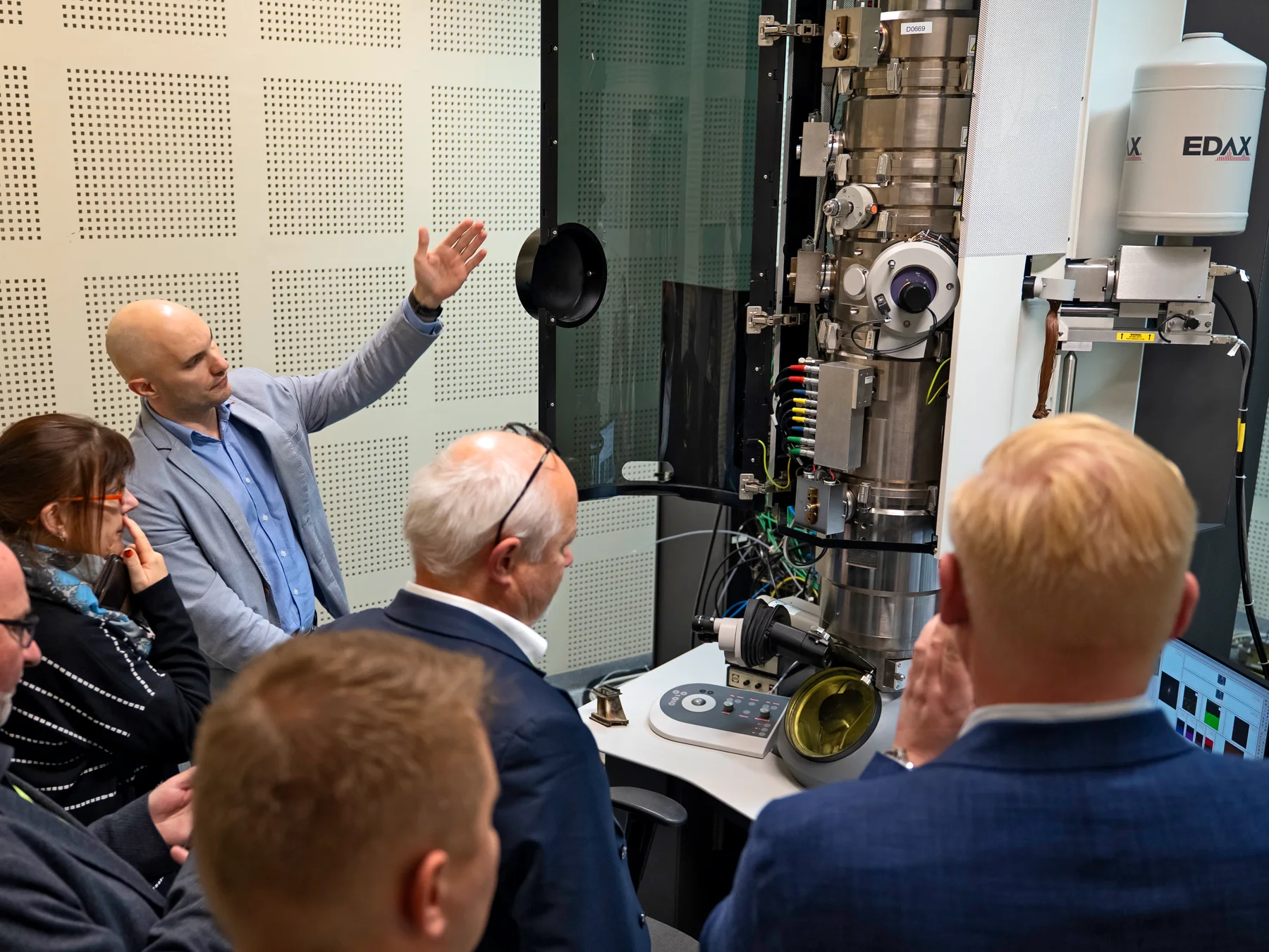
Michał Kubecki, DEng presented the capabilities of the Classical Analysis Laboratory, which is used to determine the chemical composition of materials. Radosław Swadźba, BEng, PhD, DSc, then showcased advanced equipment for microstructural analysis, including the TITAN 80-300 S/TEM ultra-high-resolution electron microscope, which enables detailed examination of material structures.
International Cooperation for a Circular Economy
The visit provided an opportunity to explore the Institute’s research expertise, learn about its laboratory infrastructure and discuss potential scientific and technological cooperation. The participation of representatives from research institutions, universities, companies and business support organisations created a platform for exchanging experience and building connections between partners from Poland and Germany.
Cooperation between science and industry plays a vital role in developing innovative solutions that enable more efficient use of raw materials, reduce waste and support the transition to a circular economy. The meeting highlighted the importance of international partnerships in developing technologies that address the challenges facing modern industry and in combining scientific and business expertise to promote sustainable development.