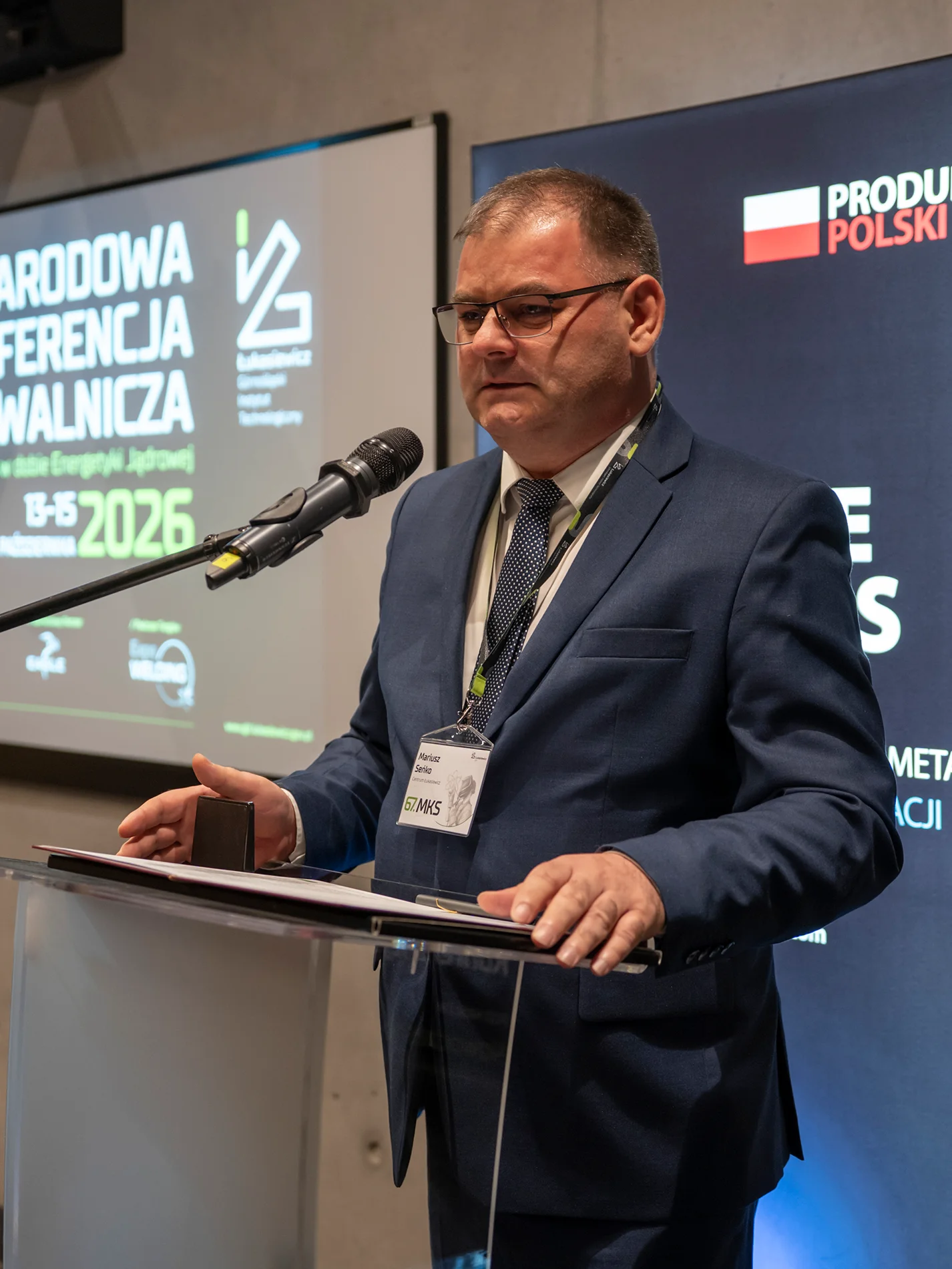
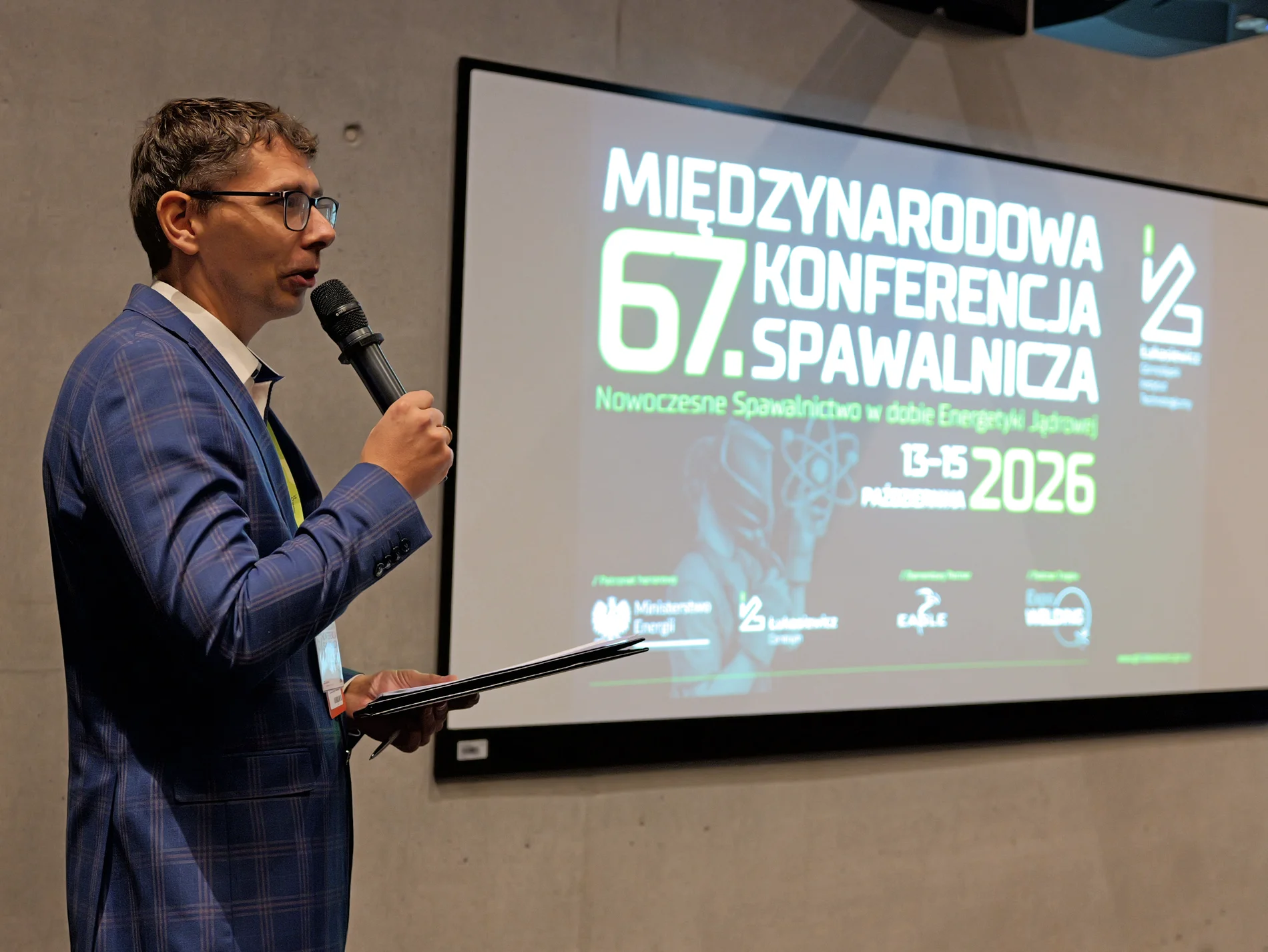
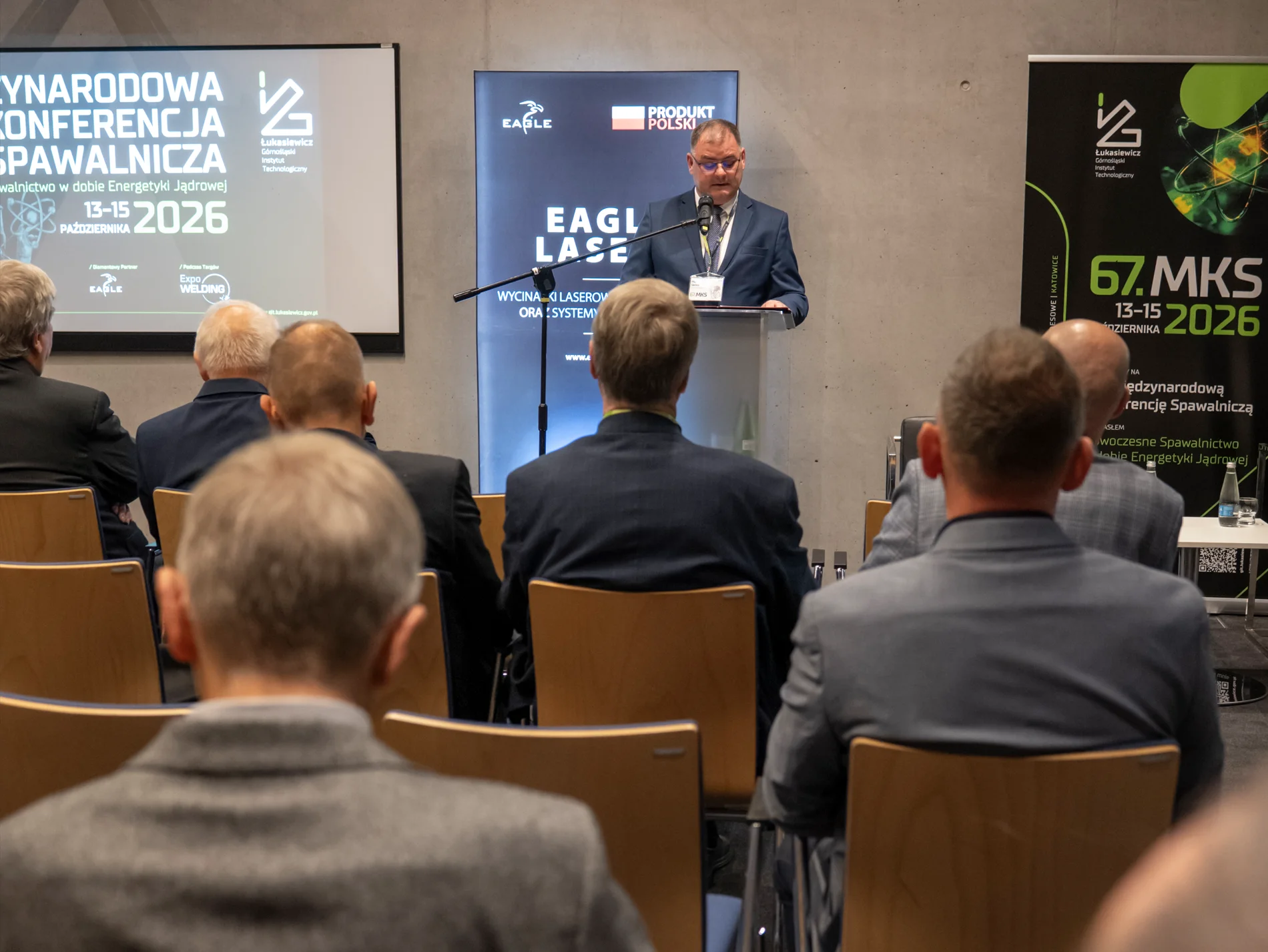
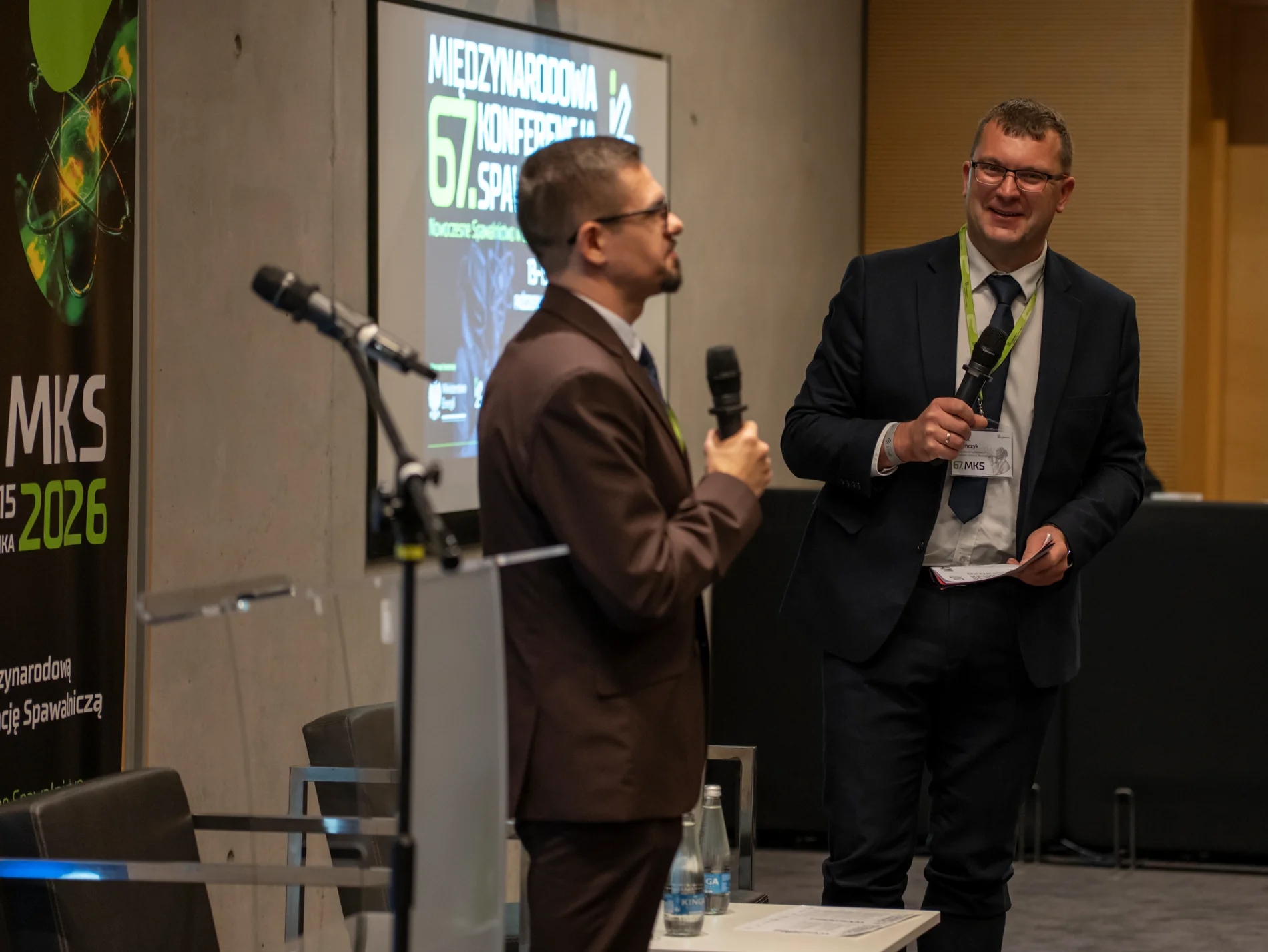
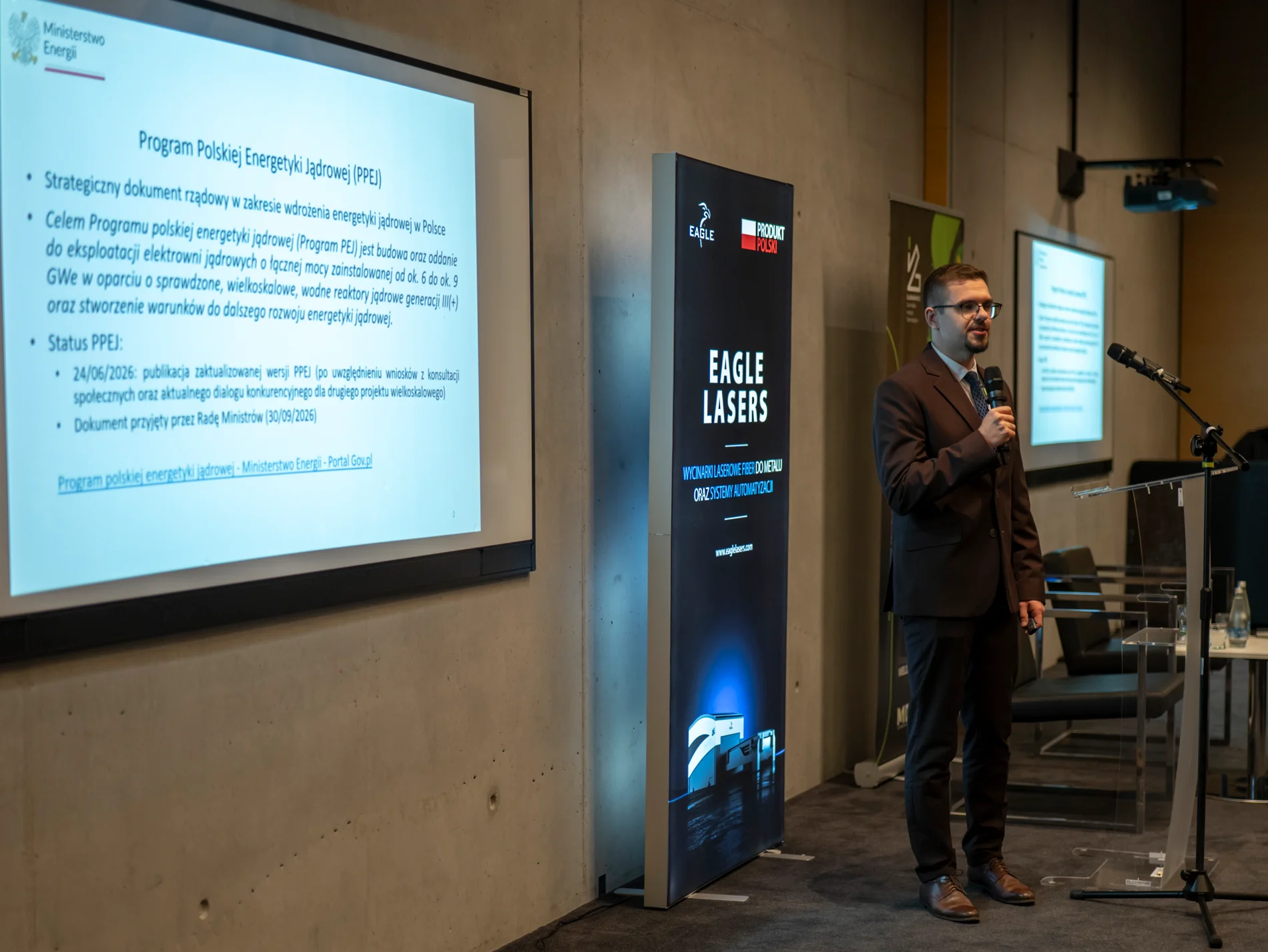
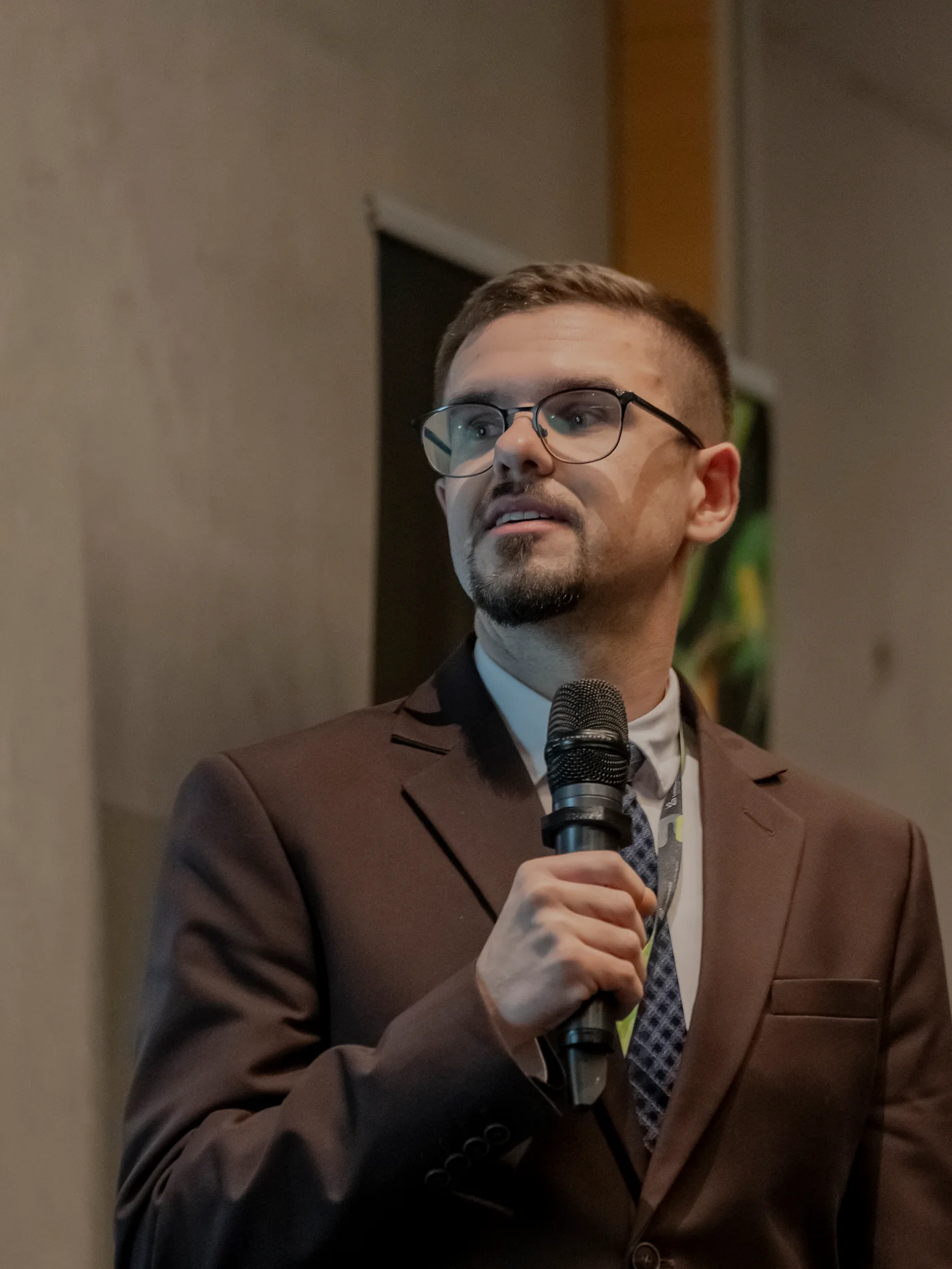
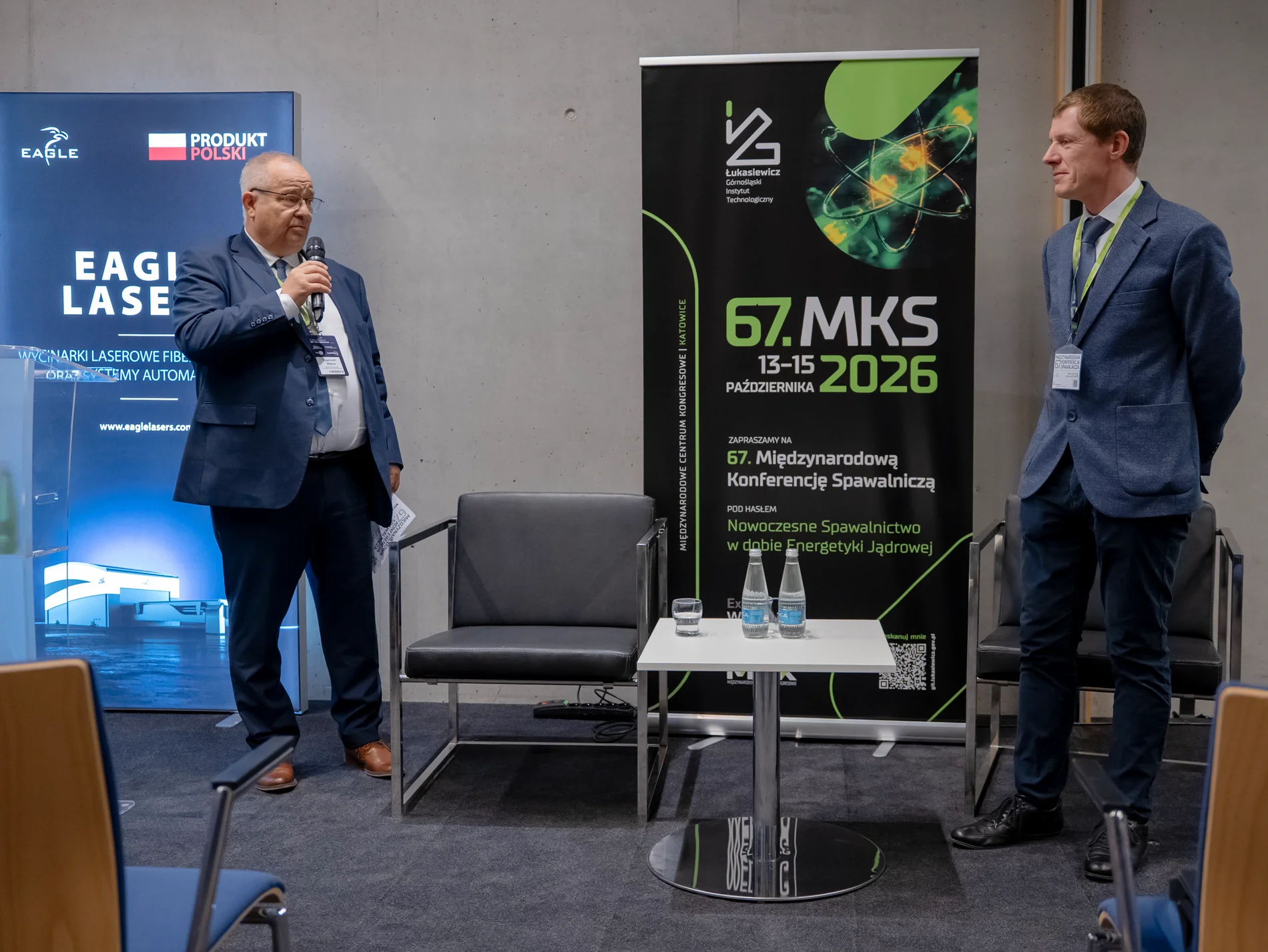
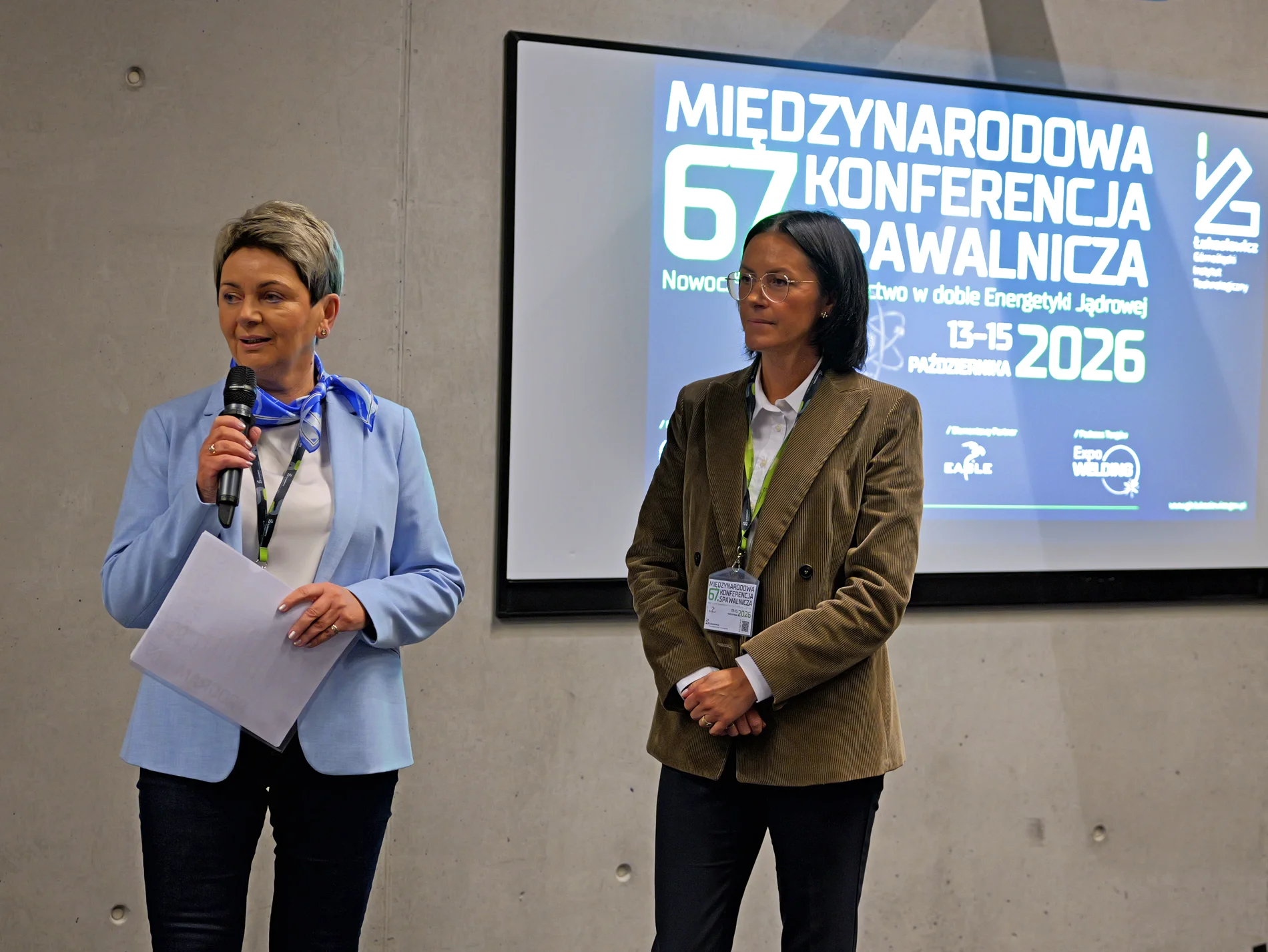
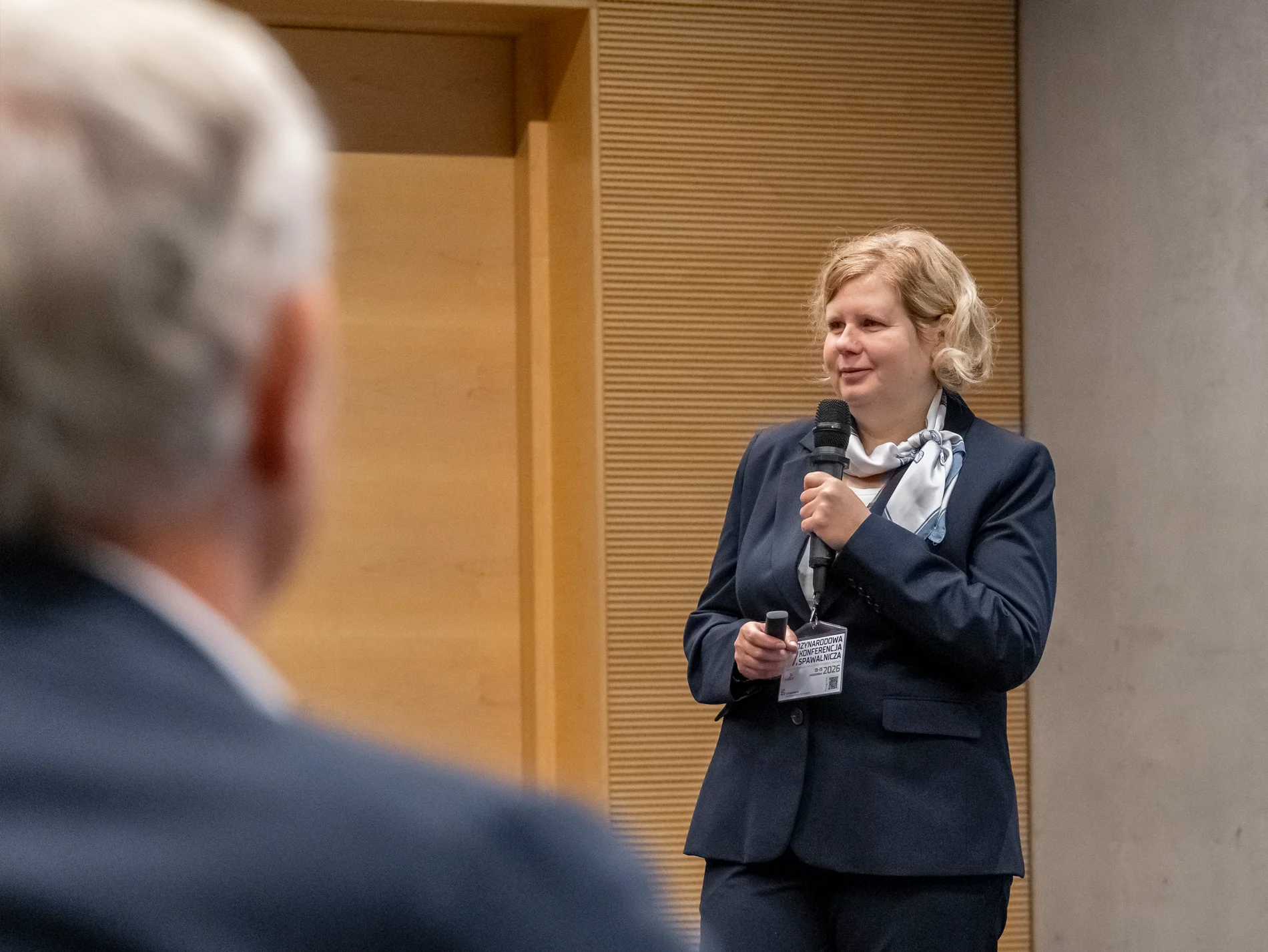
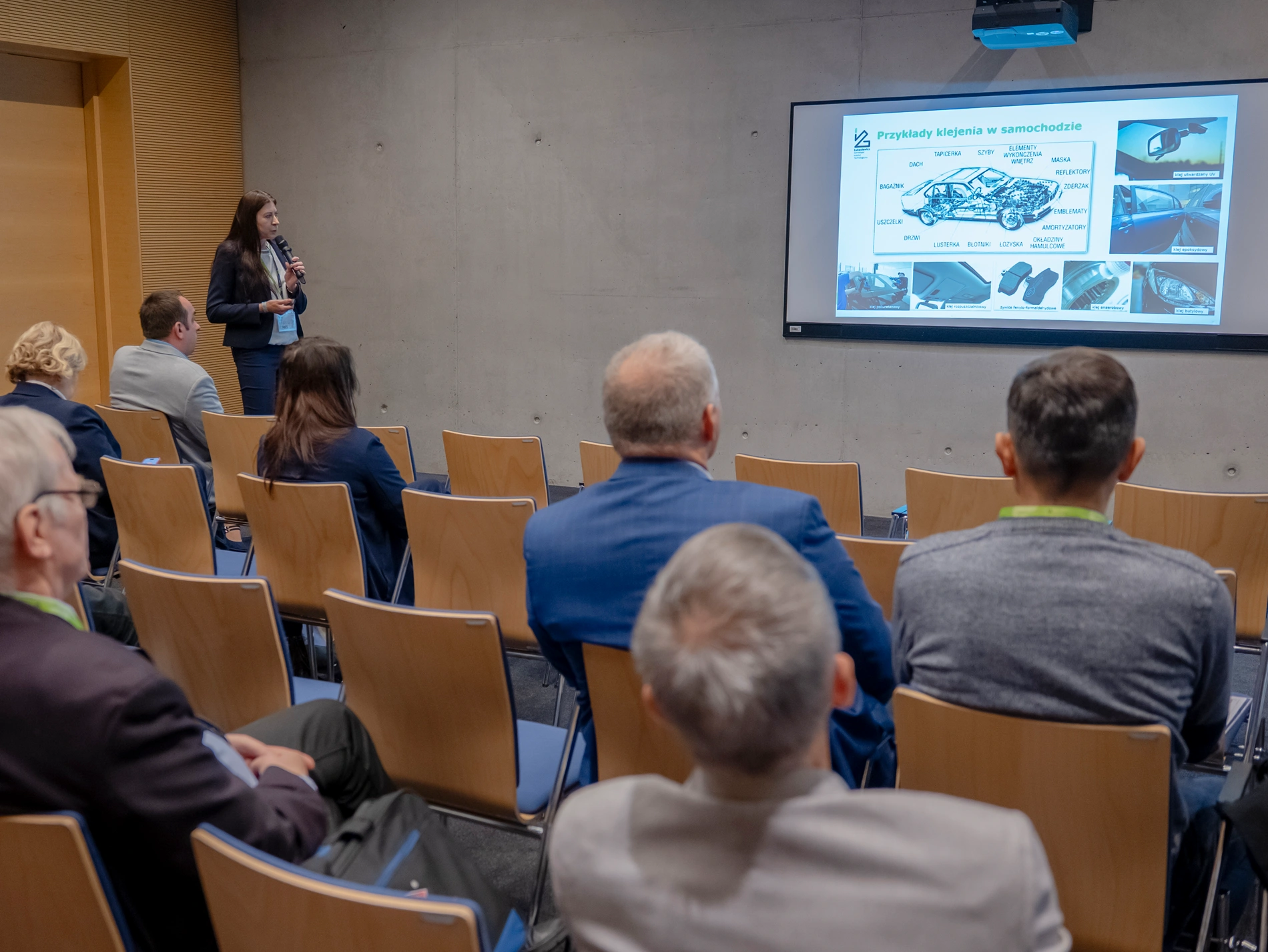
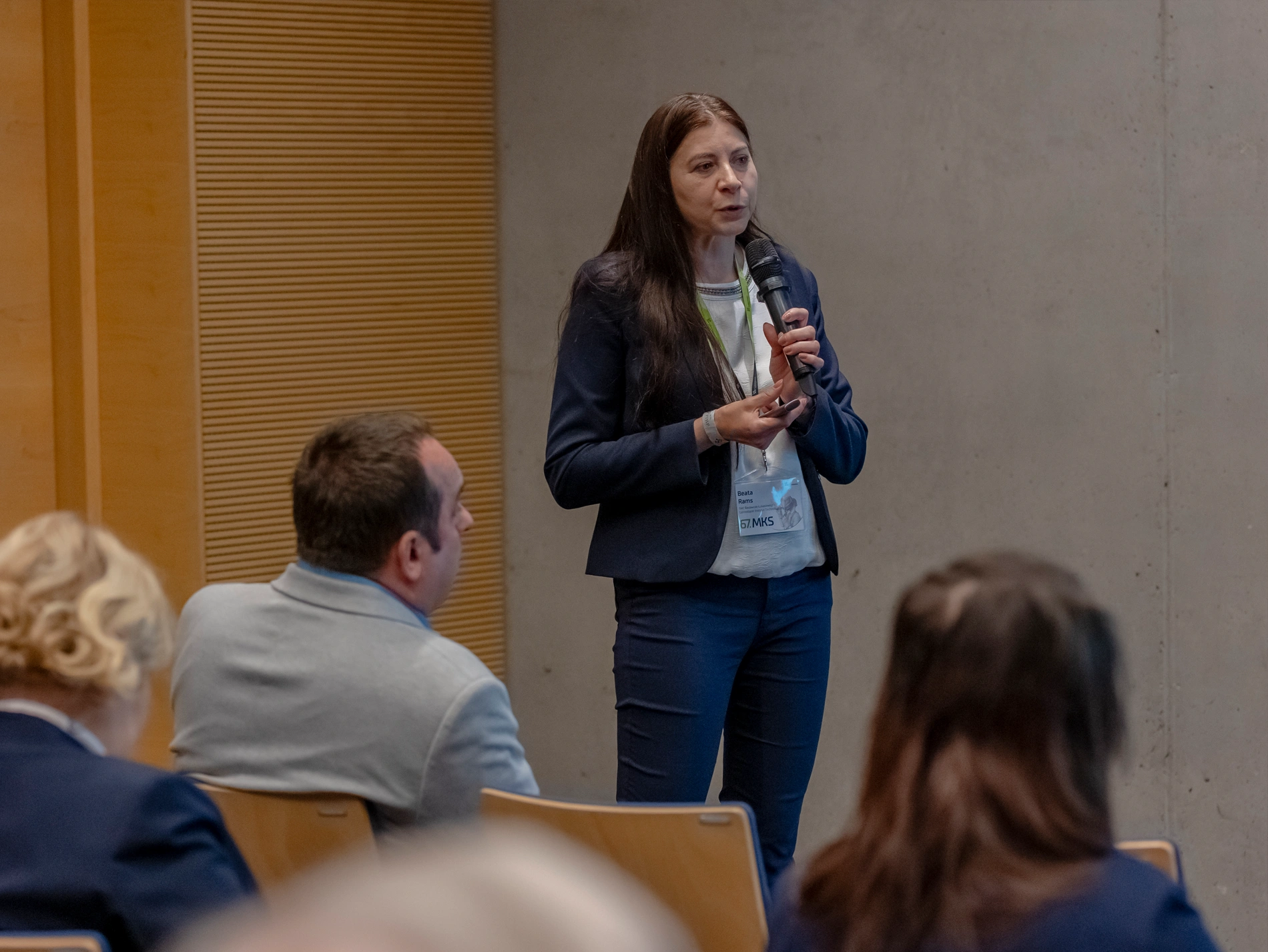
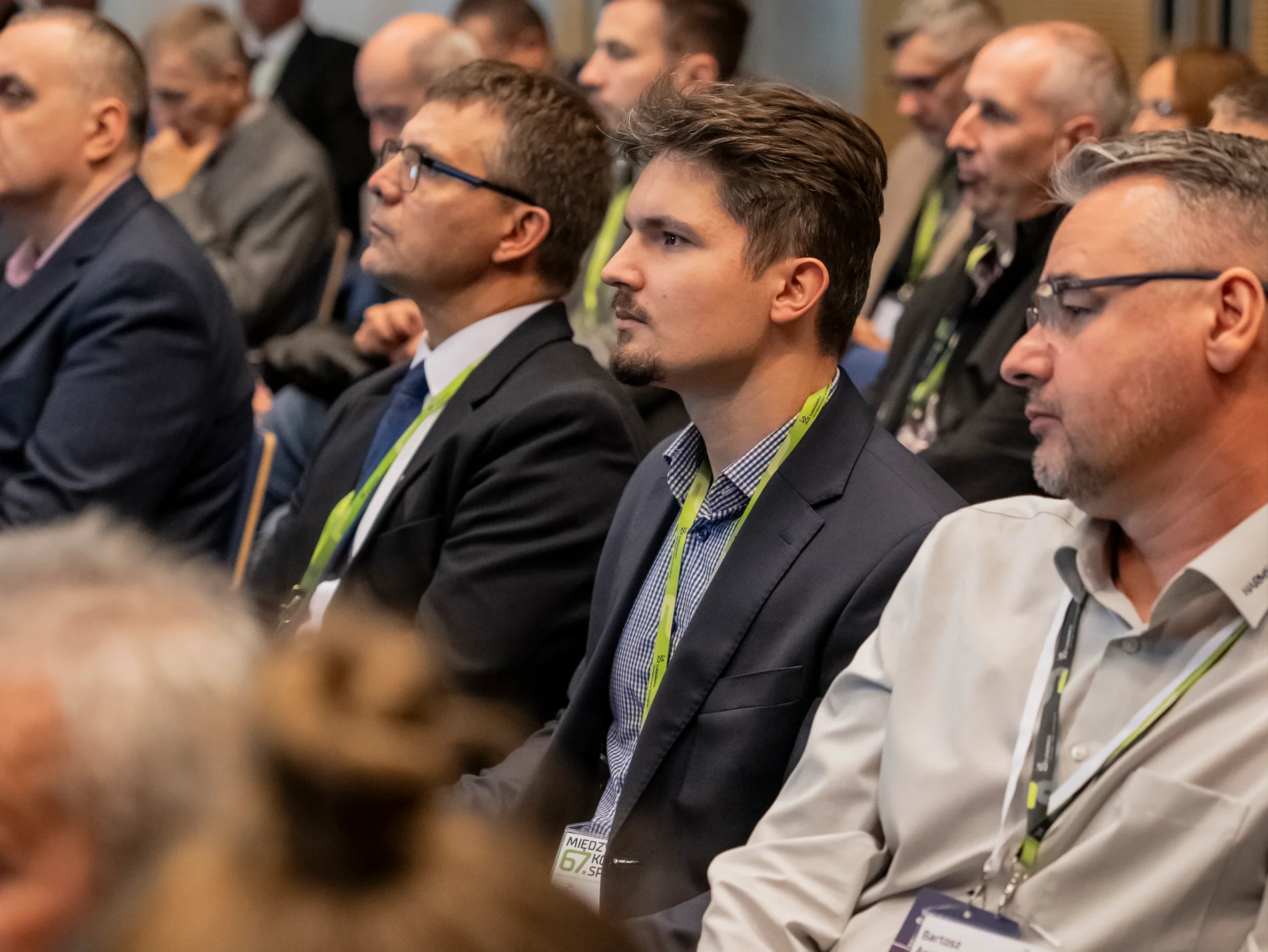
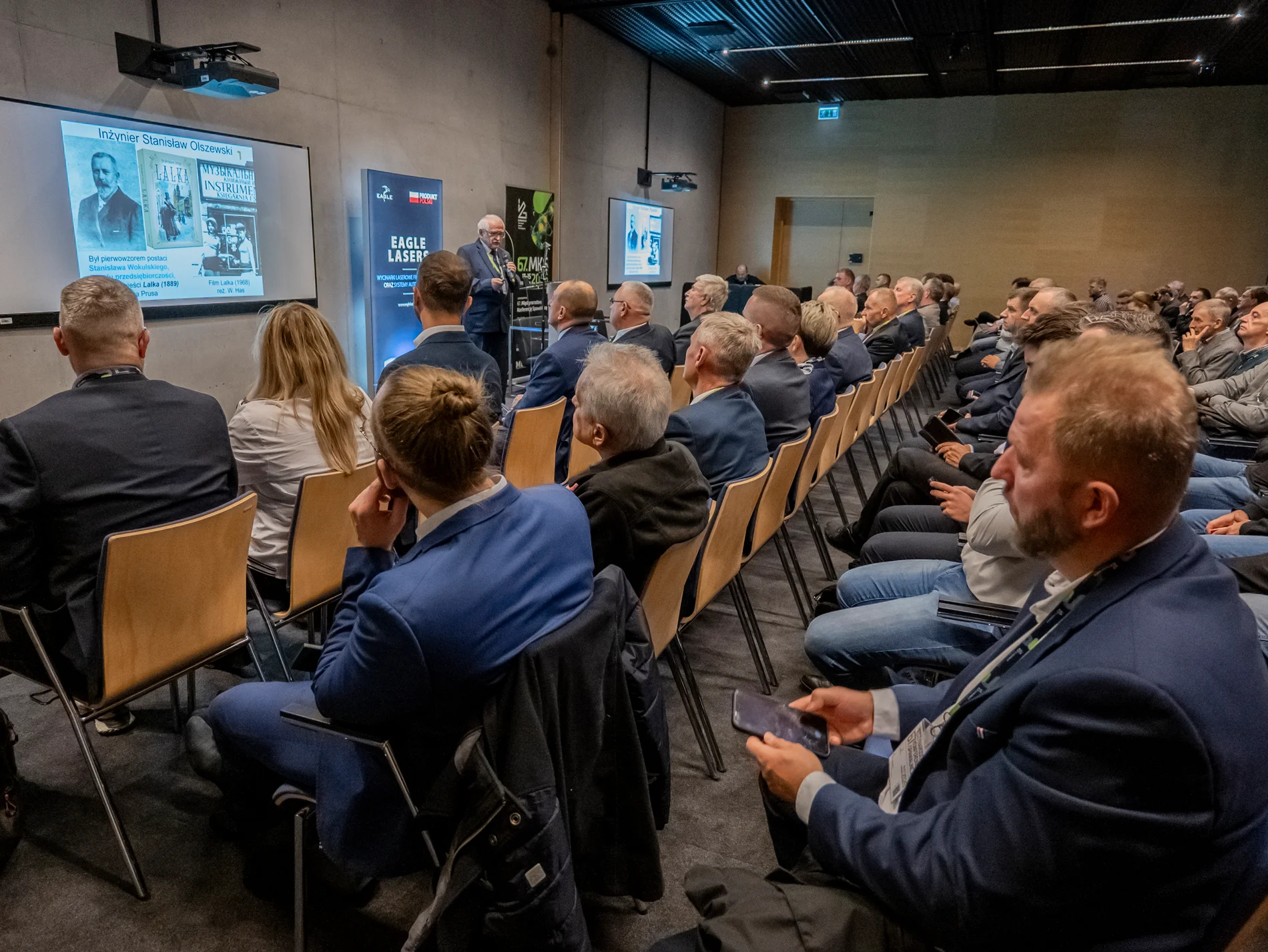
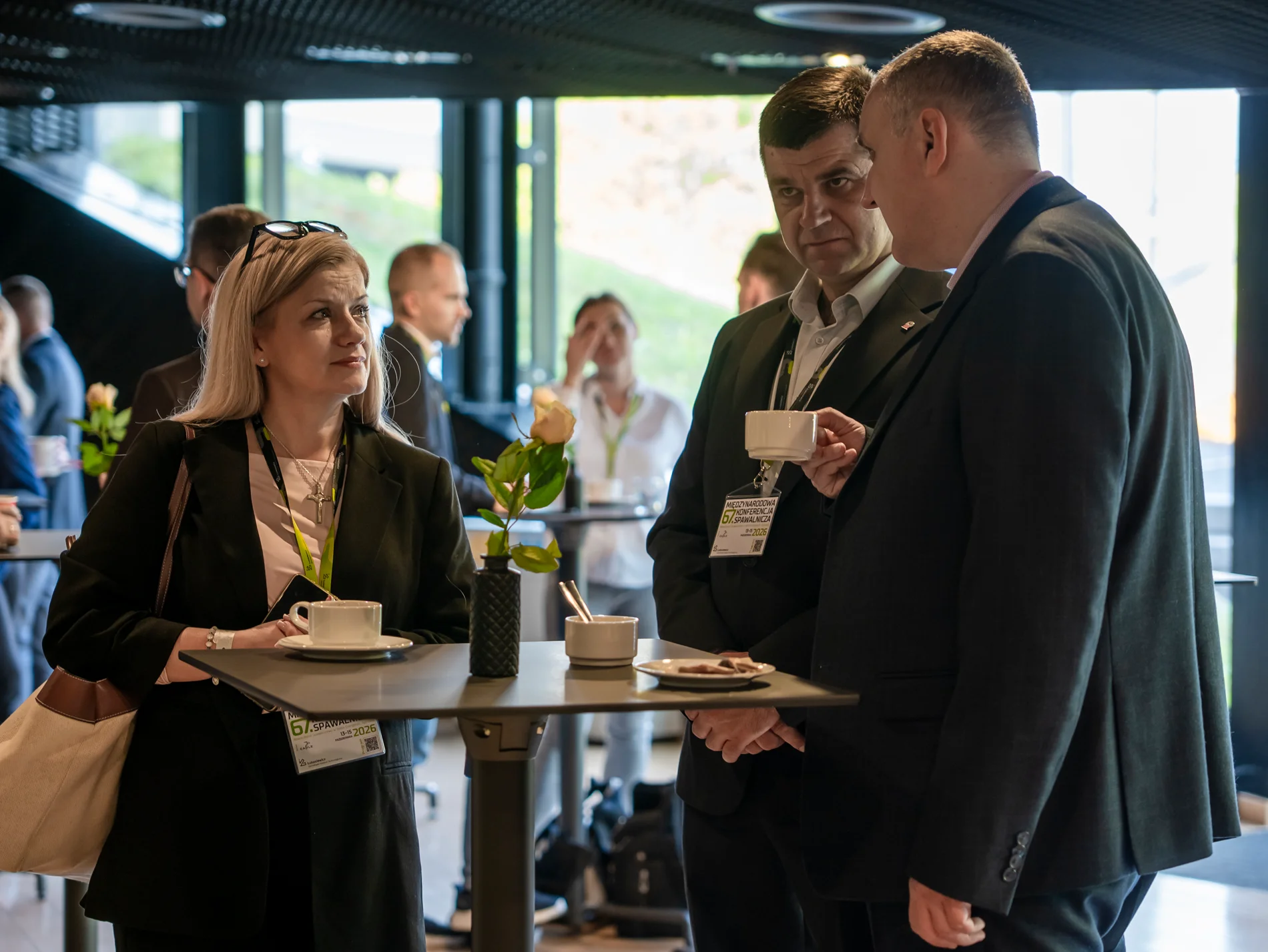
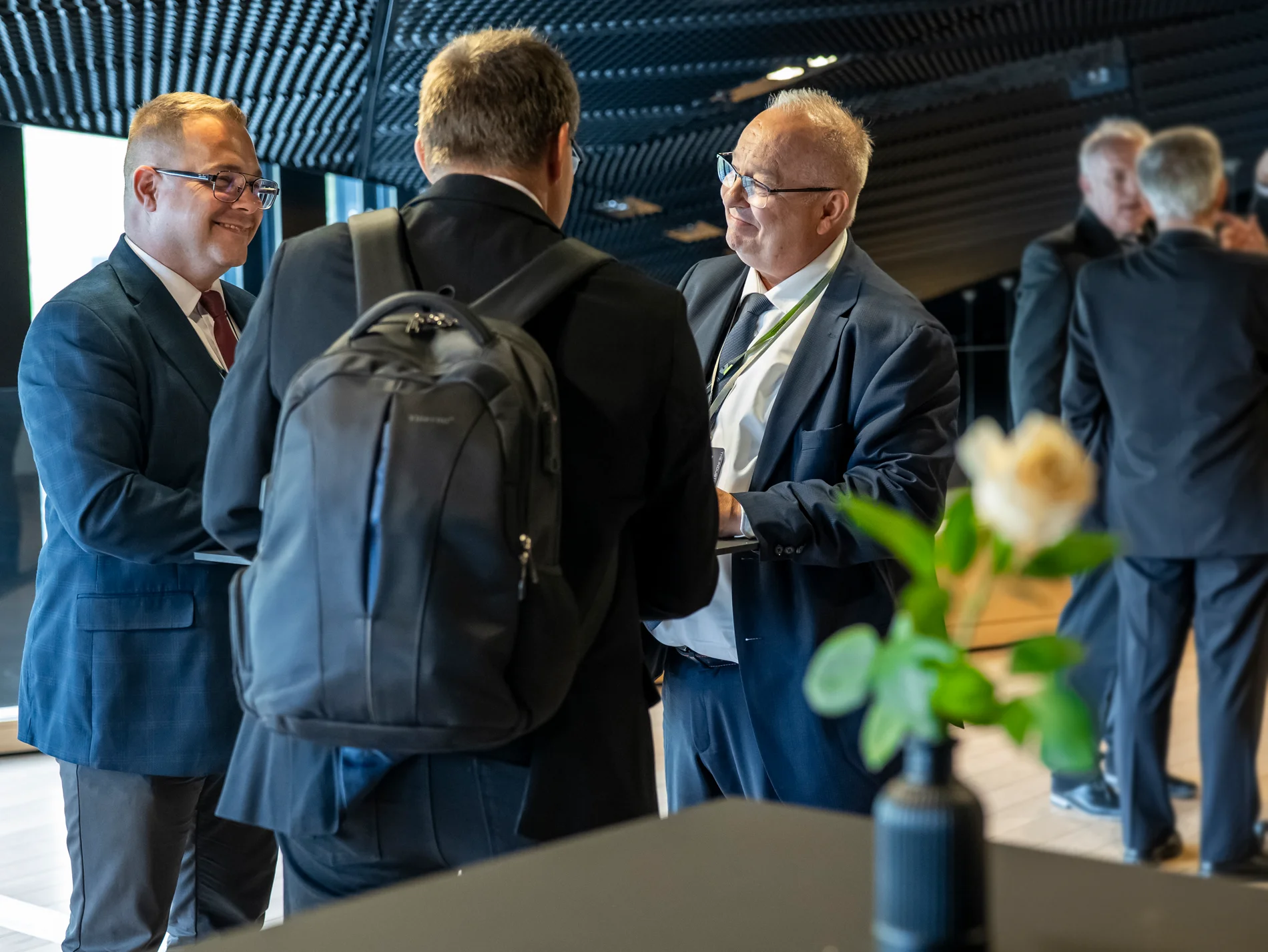
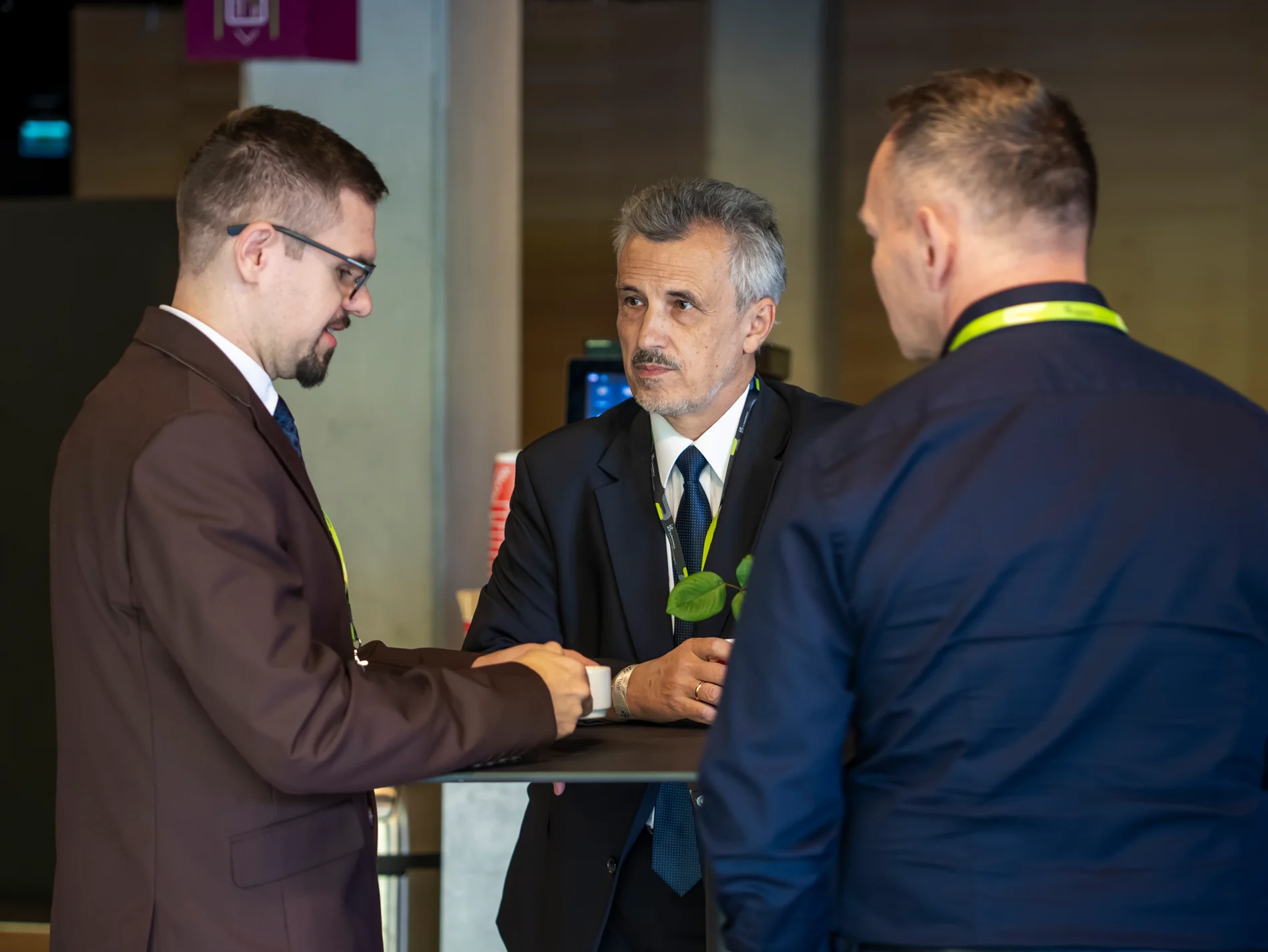
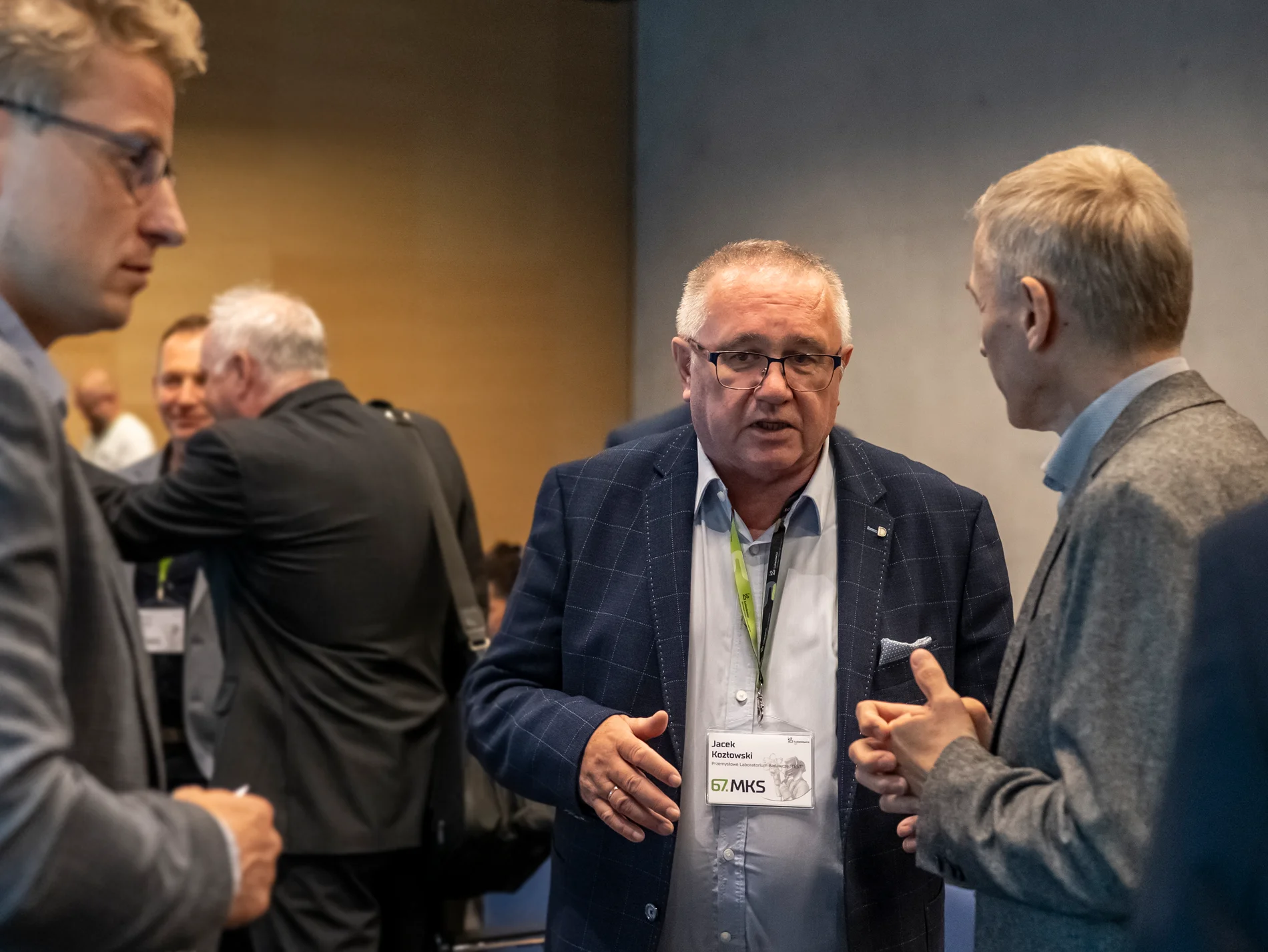
How can the requirements of the nuclear energy sector be met while ensuring structural safety? Participants in the 67th International Welding Conference, organised by Łukasiewicz – GIT, explored answers to these challenges. The event brought together the latest technological advances and industrial practice, providing a platform for knowledge exchange, discussions on the future of welding and an exploration of its history.
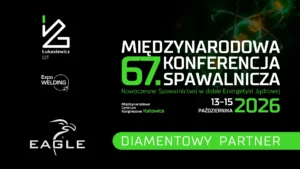
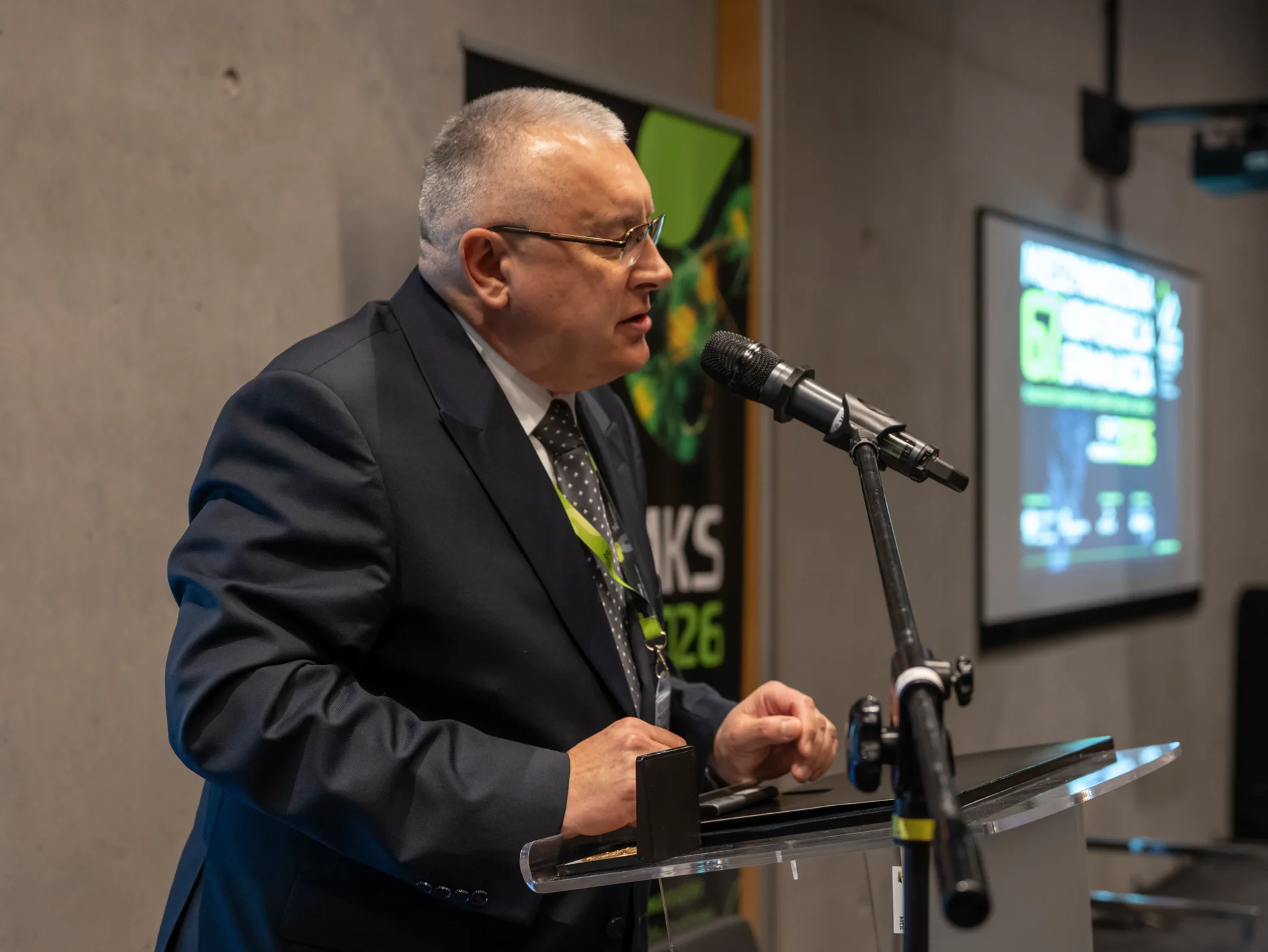
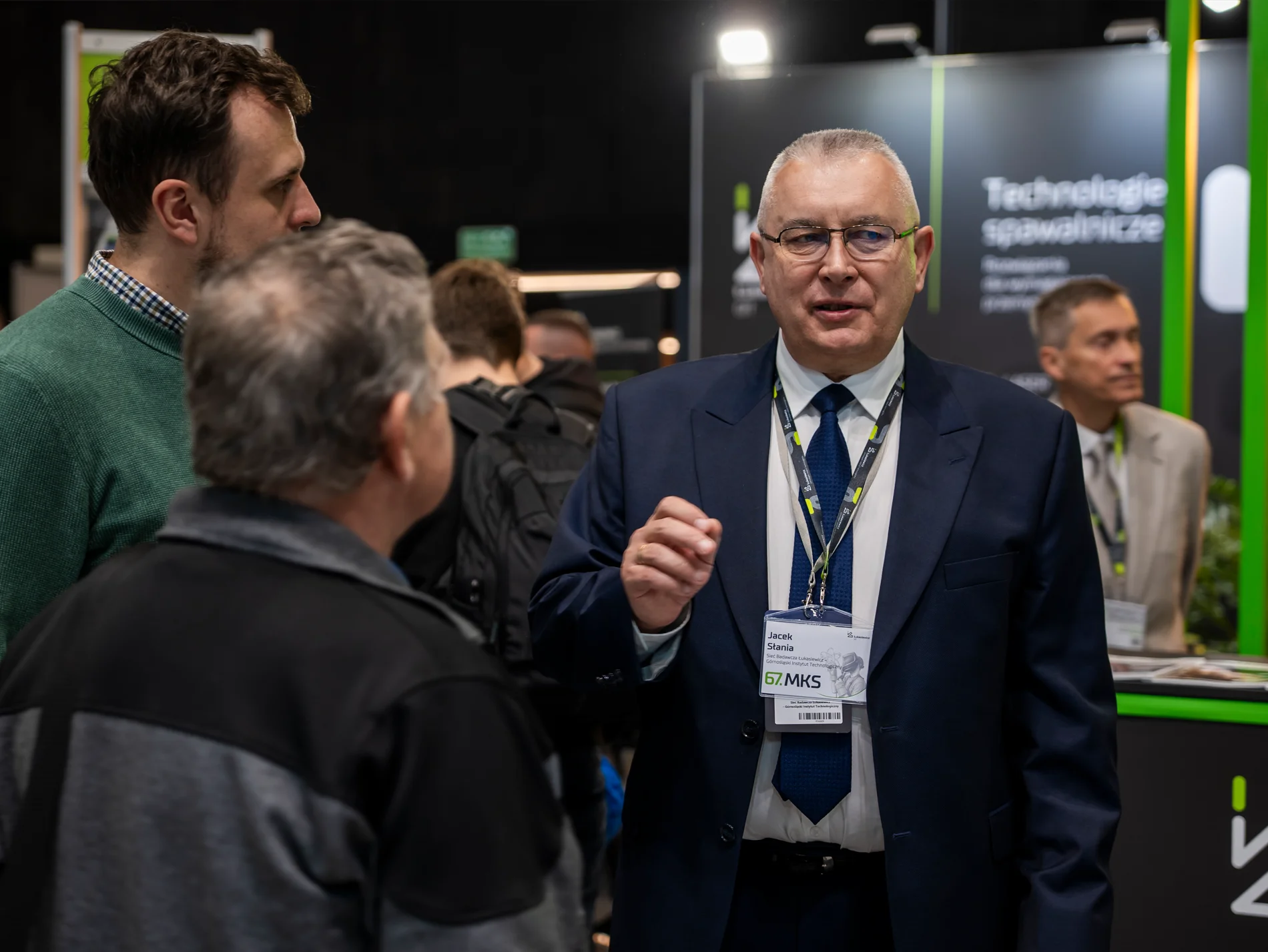
The 67th International Welding Conference took place at the International Congress Centre in Katowice from 13 to 15 October 2026. Organised by the Łukasiewicz Research Network – Upper Silesian Institute of Technology, this year’s edition focused on modern welding technologies in the context of nuclear energy, structural safety and the challenges facing contemporary industry. It provided a forum for the exchange of knowledge and experience between the scientific community and representatives of the welding industry.
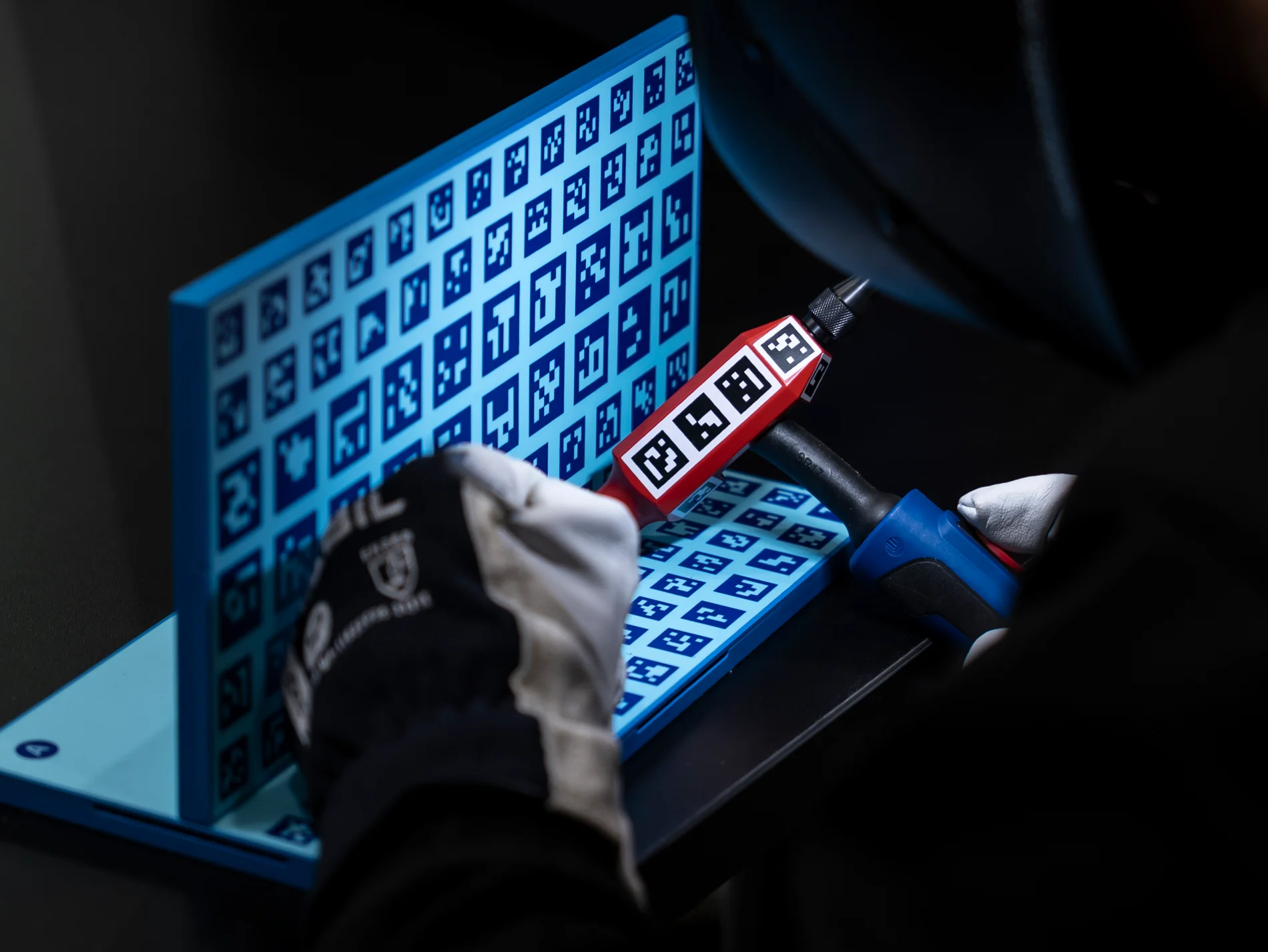
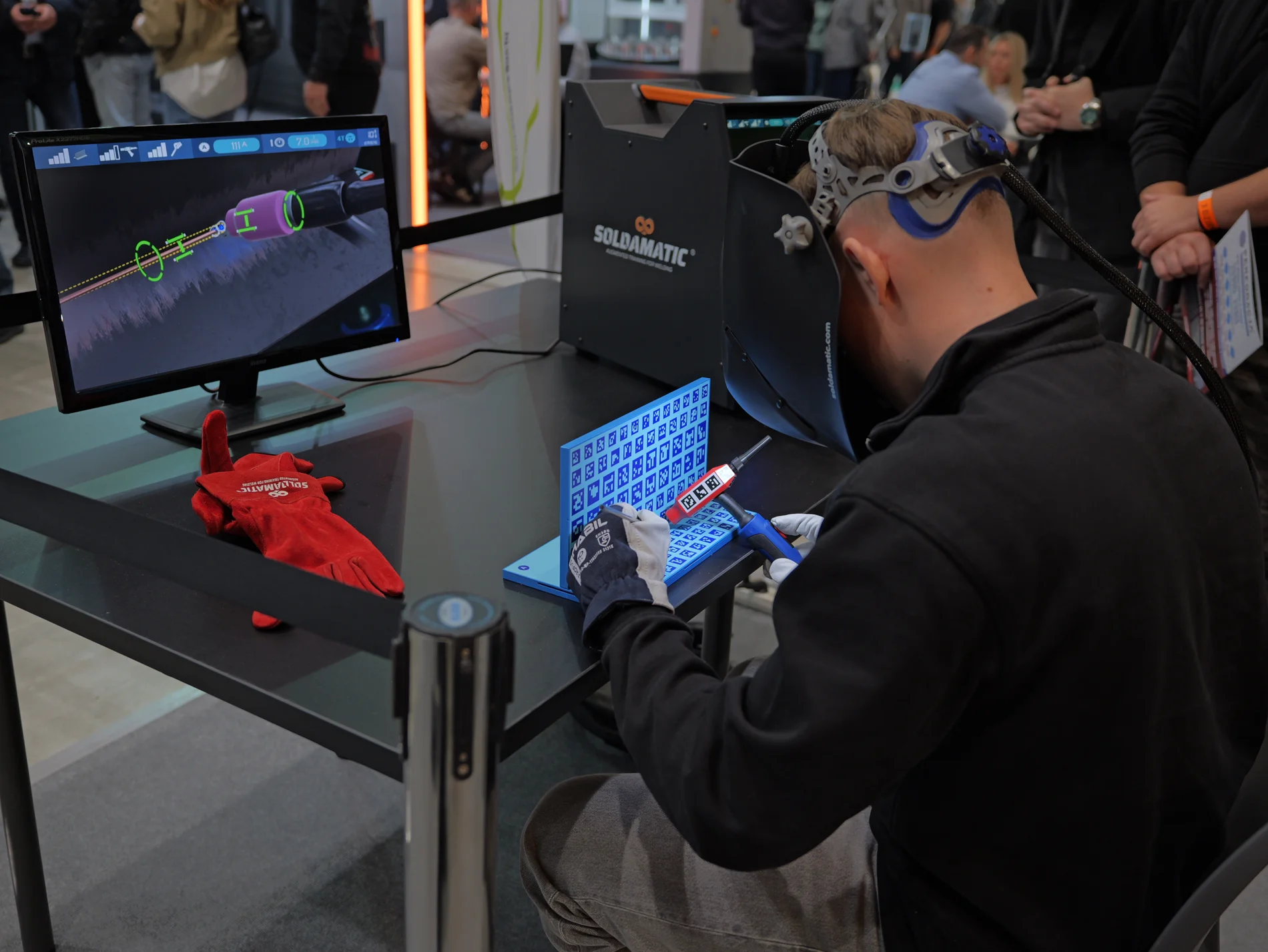
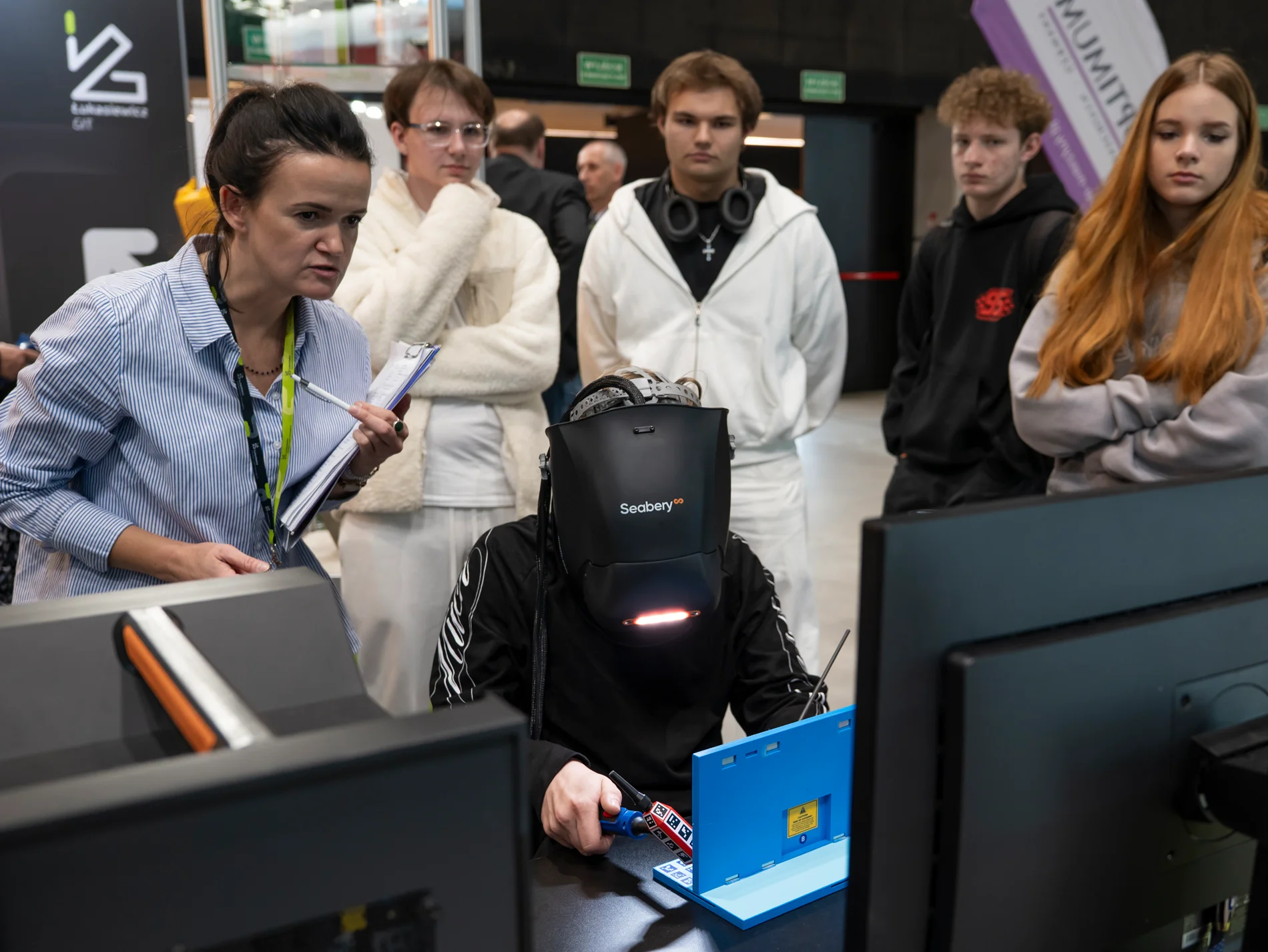
Traditionally held alongside the International Welding Fair ExpoWELDING, the conference brought together research topics and the practical needs of industry. Expert meetings, technology presentations and discussions on the requirements for modern joining processes highlighted the crucial role of quality, reliability and safety in the development of advanced structures.
Welding in the Face of Nuclear Energy Challenges
One of the main topics of this year’s conference was the set of requirements associated with the development of nuclear energy. Welding technologies play a particularly important role in ensuring the durability and safety of structures, as well as the reliability of installations in this sector. Stringent quality requirements, the appropriate selection of technologies and materials, and the testing and inspection of welded joints are all essential elements in ensuring safety.
The conference programme also covered modern welding methods, the testing of welded structures, non-destructive testing, qualification and certification, as well as the requirements for personnel and technological processes. Discussions focused on solutions that enable industry to meet growing expectations regarding quality, repeatability and production efficiency.
From the Origins of Welding to Modern Technologies
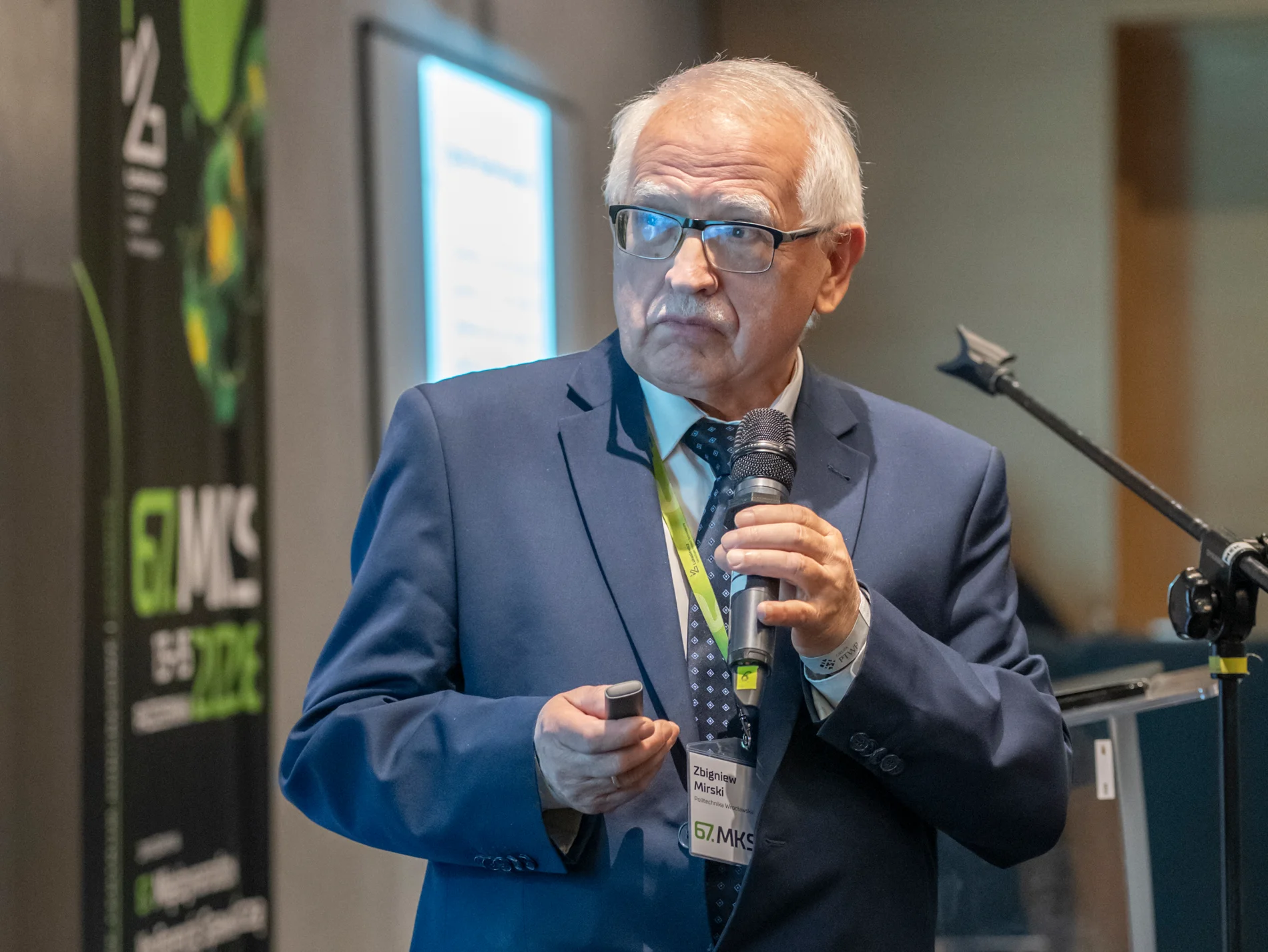
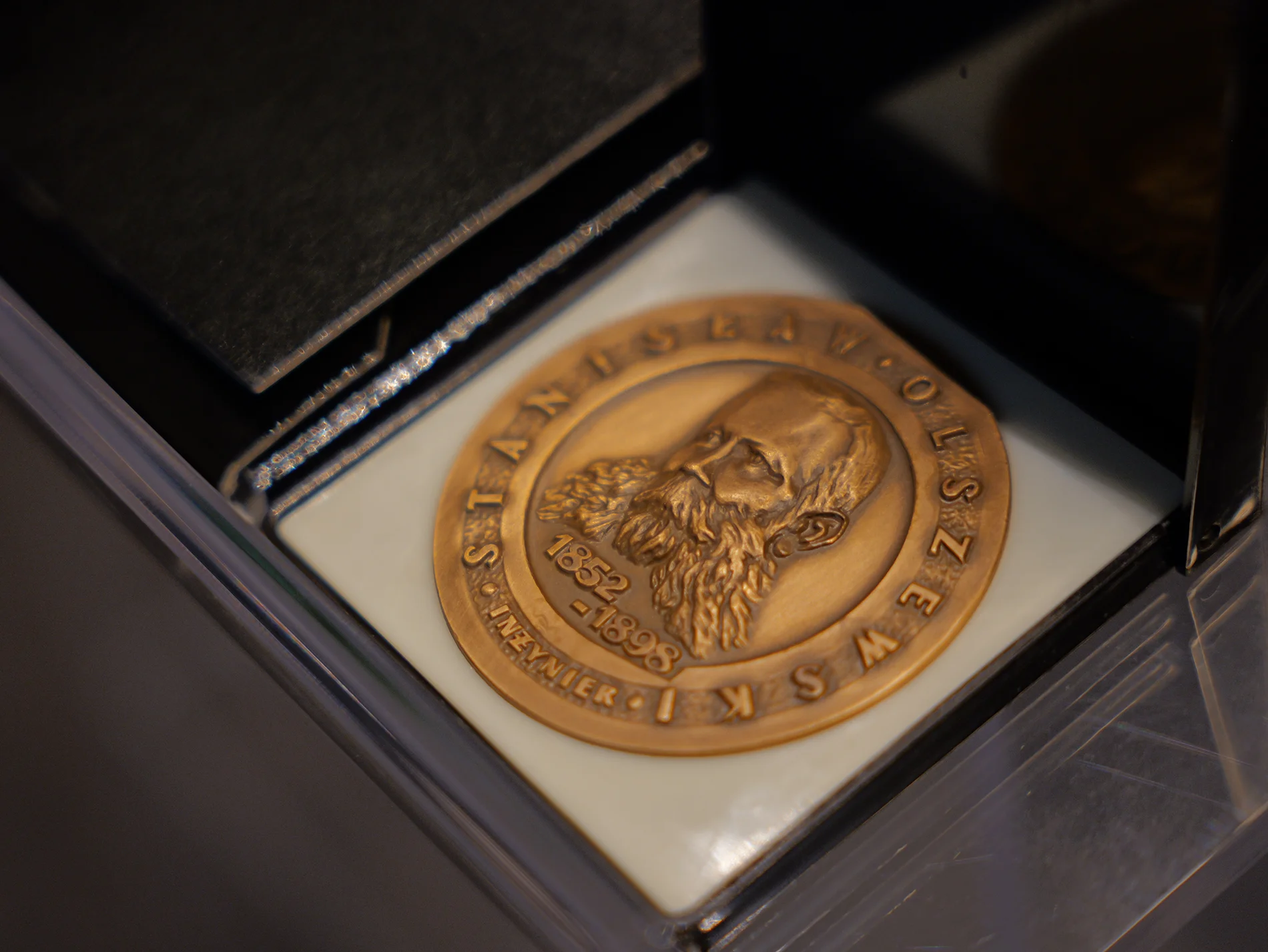
The conference also offered an opportunity to explore the development of welding from a historical perspective. A particularly noteworthy part of the programme was a presentation on the origins of the field and the engineer Stanisław Olszewski, a contributor to the development of early welding technologies whose biography is sometimes associated with the inspiration for Stanisław Wokulski, the protagonist of Bolesław Prus’s novel The Doll (Lalka).
This intriguing connection illustrates how the history of Polish engineering can intersect with literary history. Wokulski, a character who combines entrepreneurship with an interest in science and progress, became a symbol of an era in which technological advances were opening up new economic opportunities. The journey from the first welding solutions to the advanced technologies used today in the most demanding industrial sectors has been a long one, yet it has consistently relied on knowledge, ingenuity and the work of engineers.
Science and Industry in Dialogue
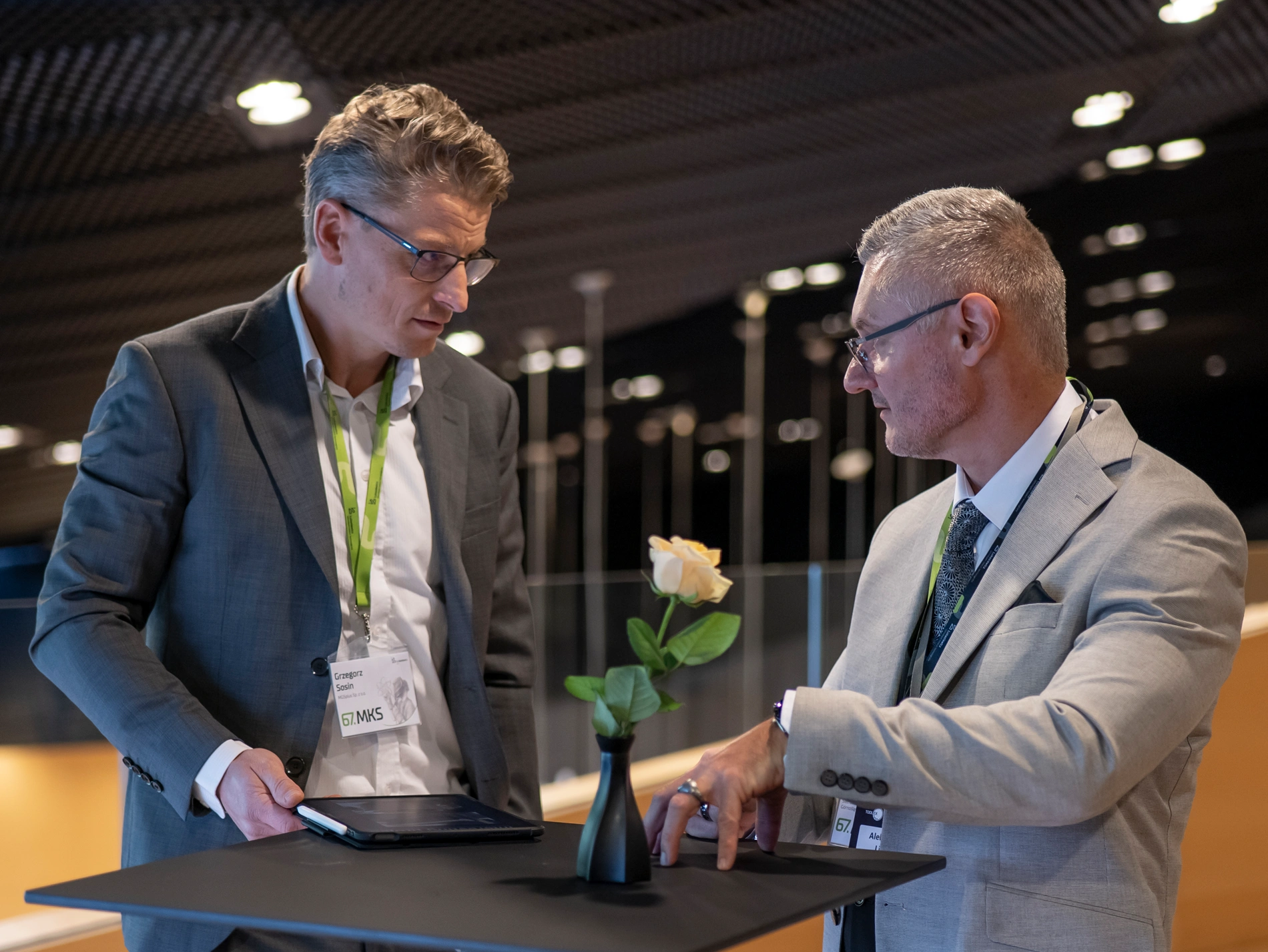
For years, the International Welding Conference has provided a forum for specialists from research centres, universities and businesses. Its value lies not only in presenting research findings, but also in bringing scientific knowledge into dialogue with industrial practice and identifying challenges that require further research and development.
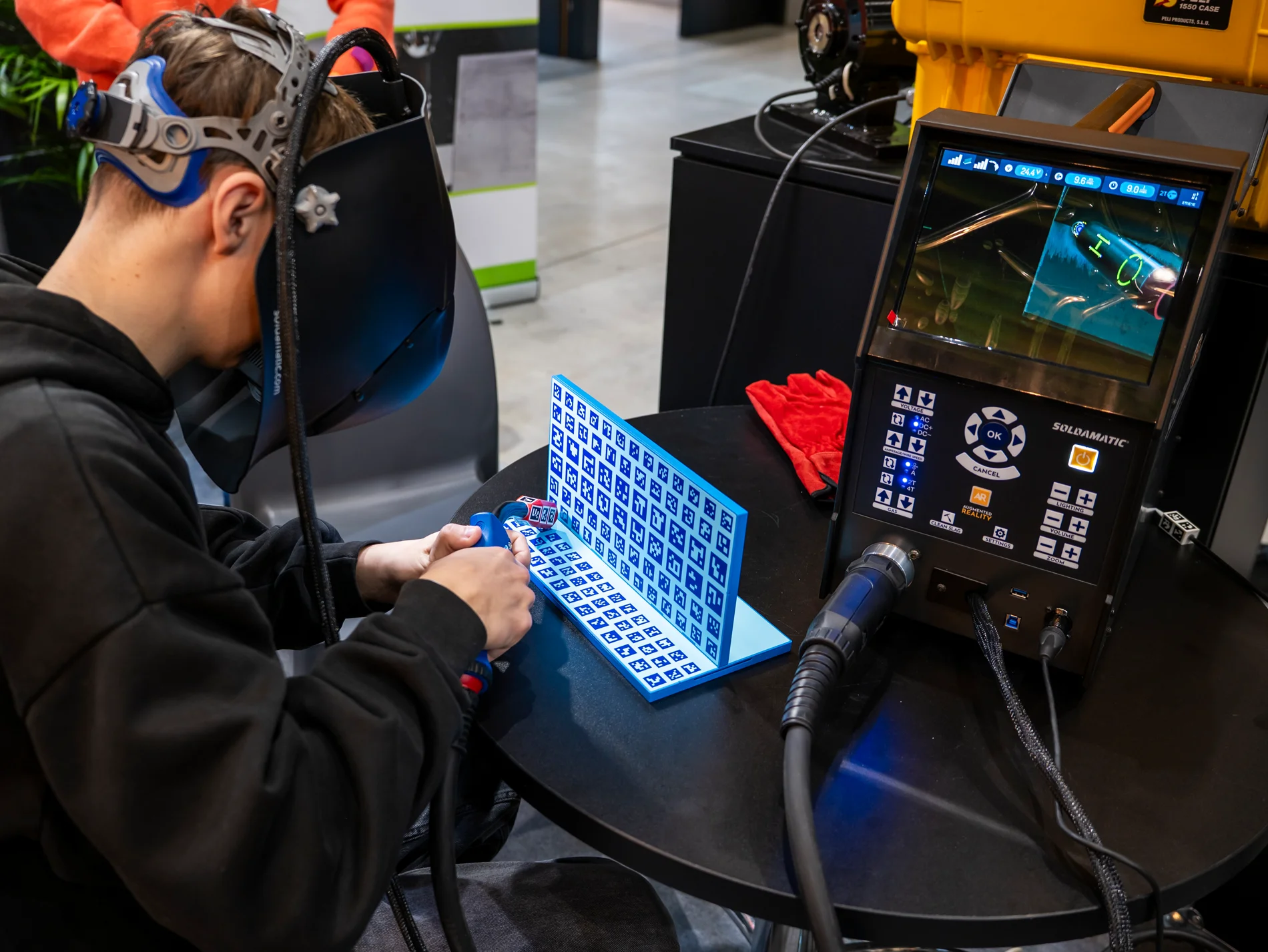
The International Welding Fair ExpoWELDING complemented the conference, showcasing solutions for the welding and metalworking industries. Participants had the opportunity to explore products from manufacturers of equipment, materials and technological systems, as well as establish contacts that could foster future cooperation.
Event Partners
The conference was made possible thanks to the commitment of its partners and institutions supporting the development of the welding industry.
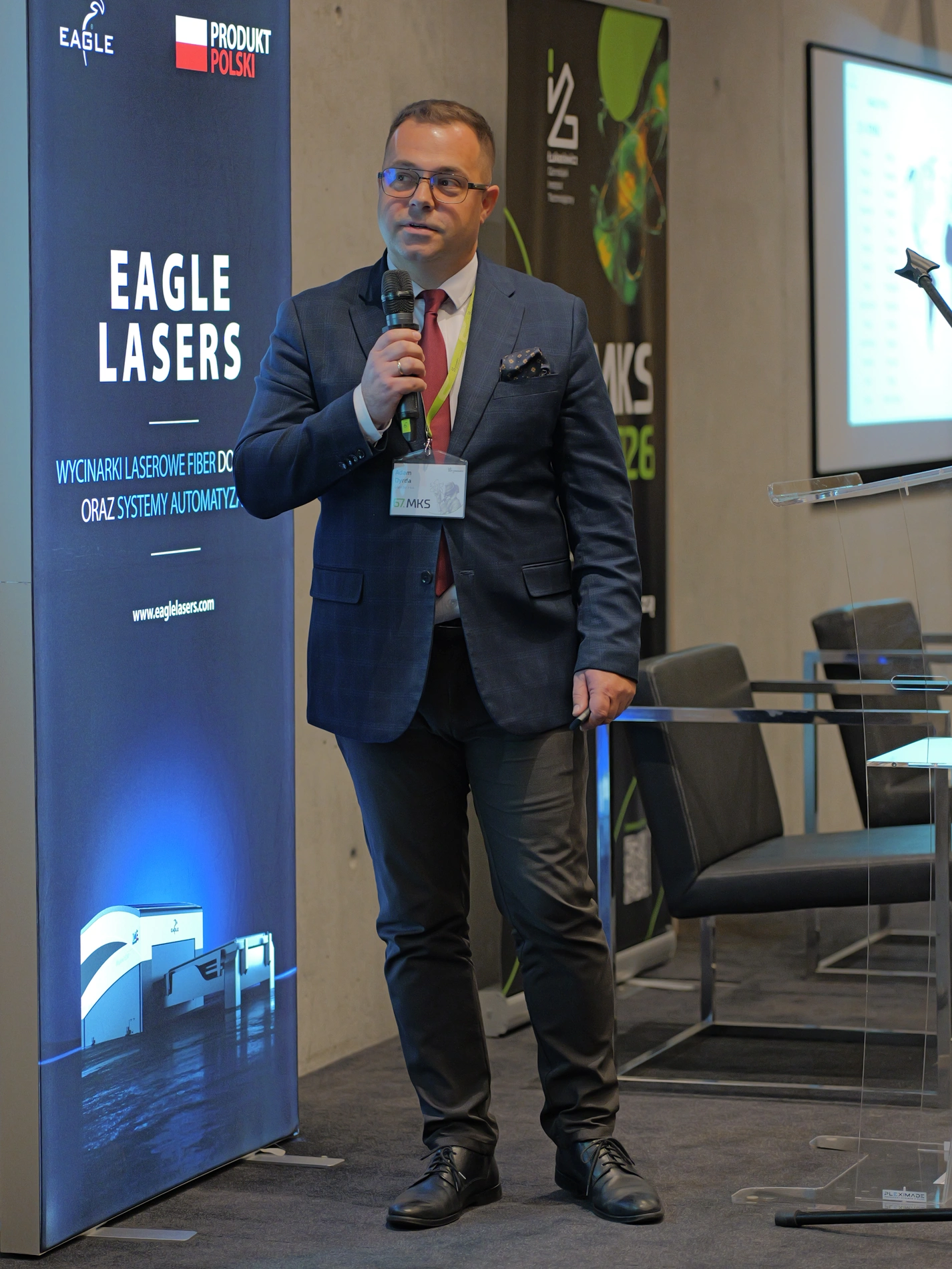
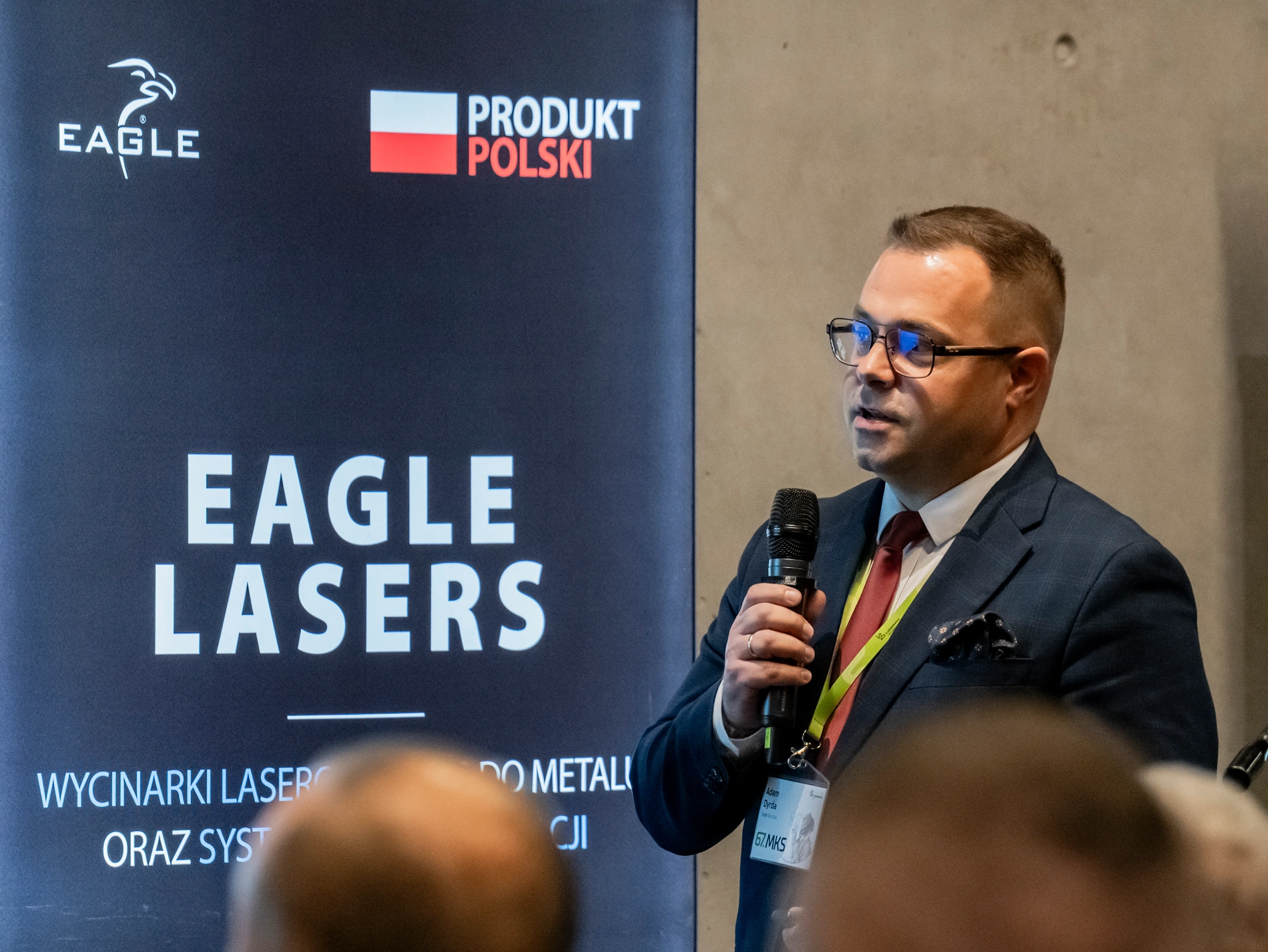
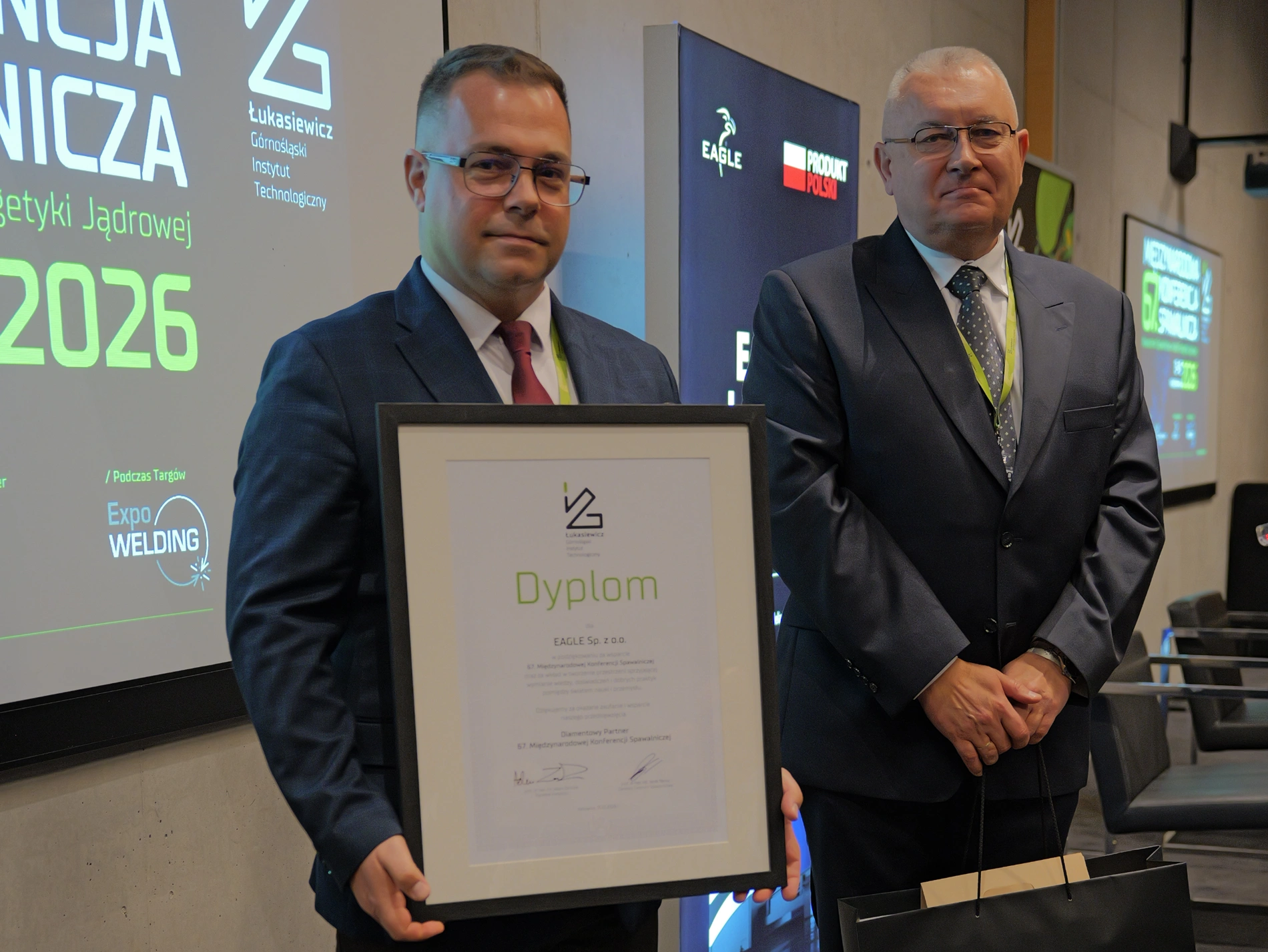
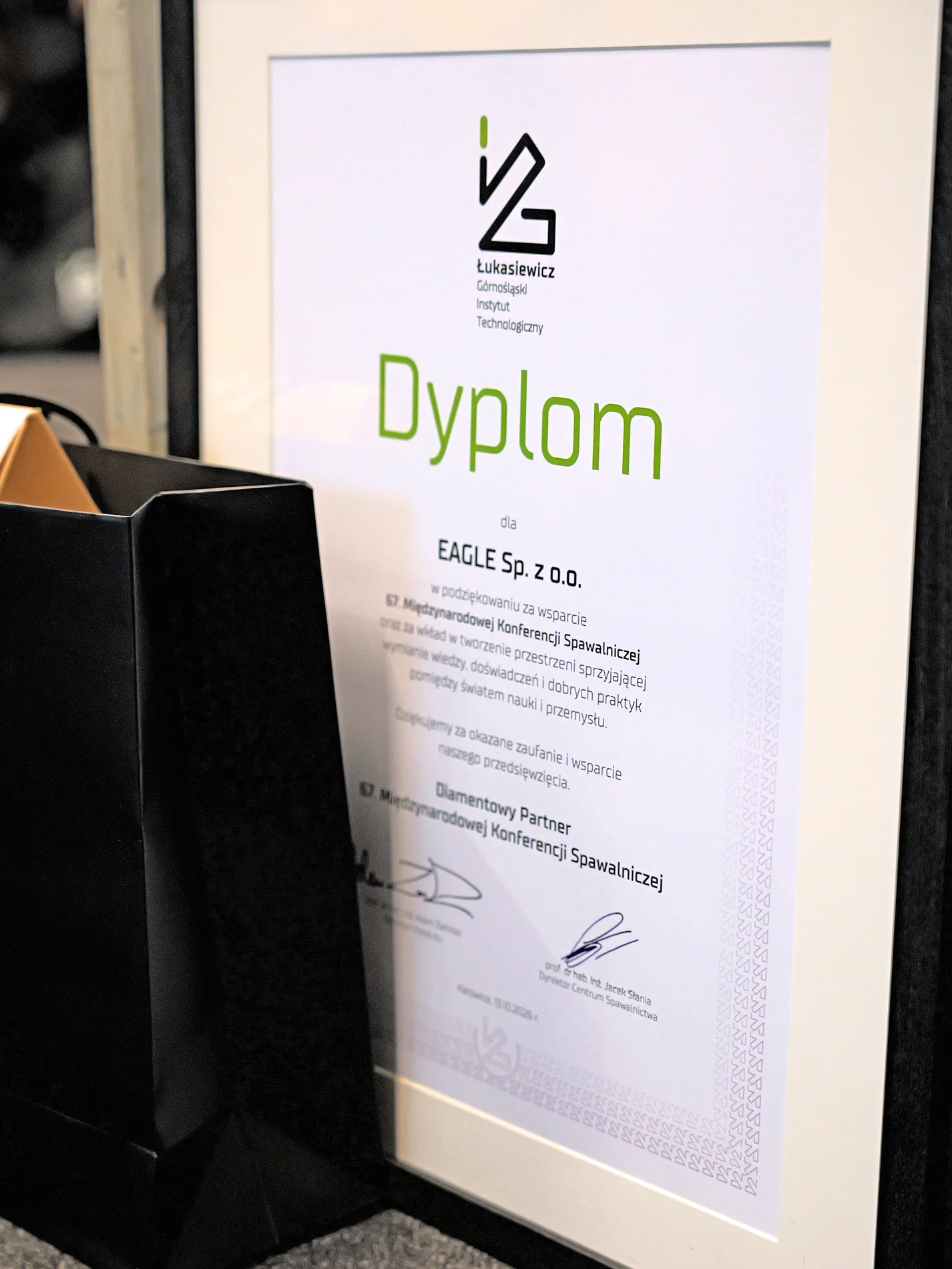
The event was held under the Honorary Patronage of the Ministry of Energy and the President of the Łukasiewicz Research Network. EAGLE LASERS Sp. z o.o. was the Diamond Partner of the conference, while Lincoln Electric sponsored the prizes for the Welding Skills Competition.
Łukasiewicz – GIT would like to thank all speakers, participants, partners and guests for taking part in the 67th International Welding Conference and contributing to an environment that encourages the exchange of knowledge and experience.
This year’s edition reaffirmed that the development of welding depends on close cooperation between science and industry, as well as the continuous improvement of technologies, skills and safety standards. By combining research, engineering expertise and the needs of the economy, it is possible to develop solutions for increasingly demanding industrial applications.