As part of our website, we use cookies to provide you with the highest level of service, including services tailored to your individual needs. By continuing to use the website without changing your cookie settings, you agree to the placement of cookies on your device as described in our Privacy Policy. You can change your cookie settings in your web browser at any time. Acceptance of essential cookies is required for the proper functioning of the website. For more detailed information, please refer to our PRIVACY POLICY.
The Strategic Role of the Steel Industry in Europe – Challenges, Investment, and Security
czas czytania: 3min
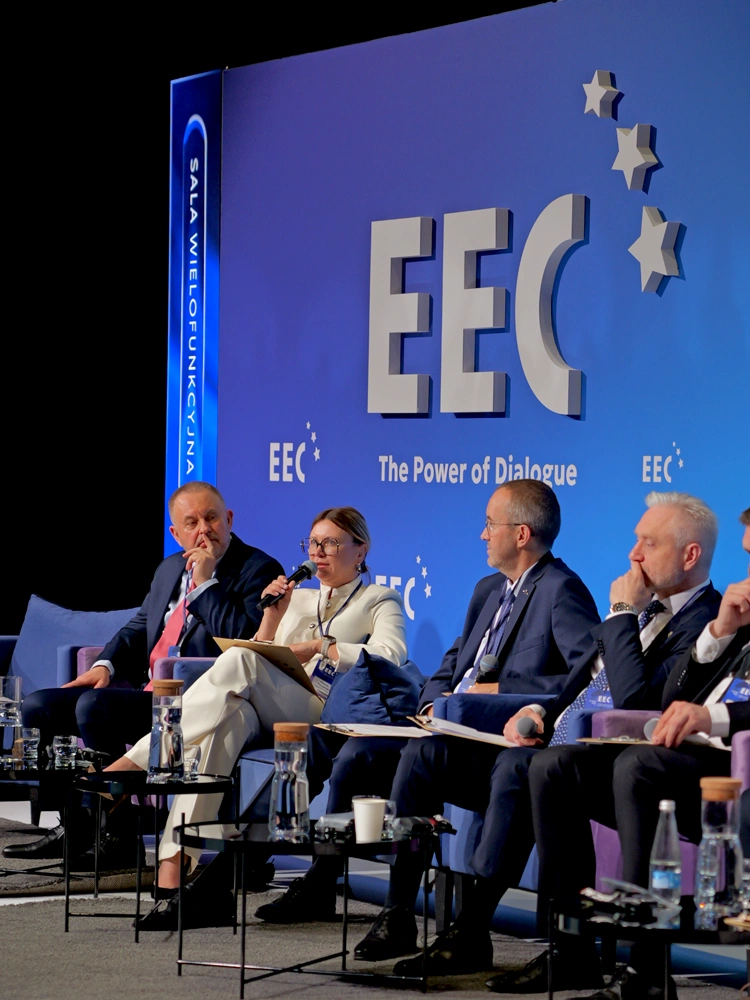
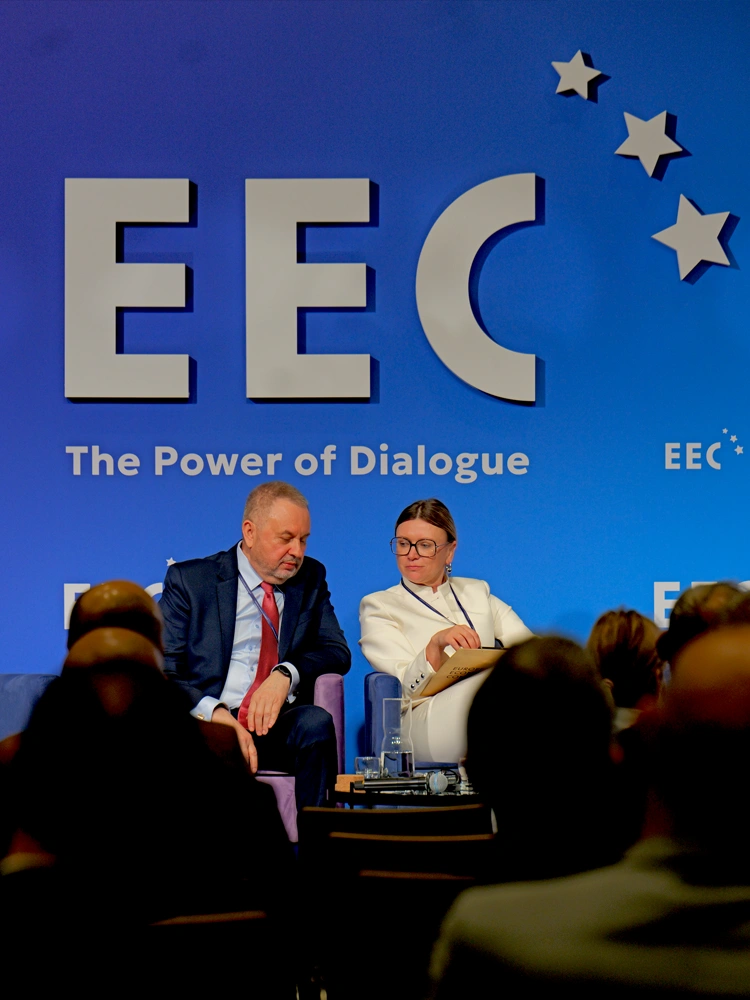
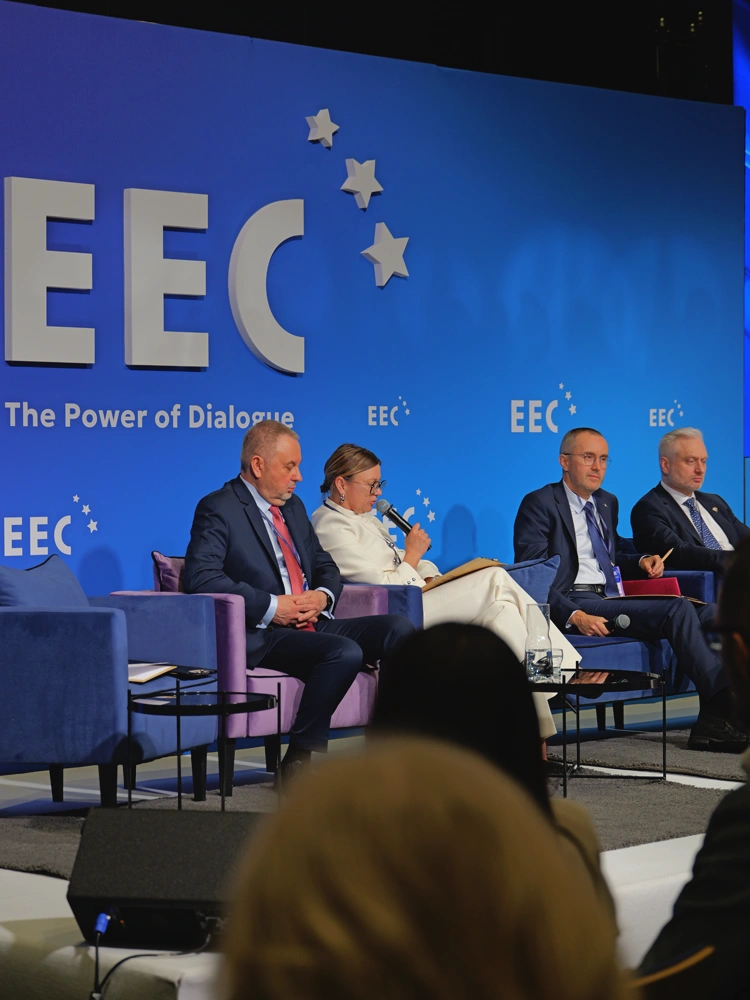
Rising energy costs, regulatory pressure, and global competition are placing the European steel sector under significant strain. During the “Steel Industry” panel at the European Economic Congress in Katowice, industry experts discussed the future of the sector, the role of innovation, and the importance of domestic production capacity for economic security and independence.
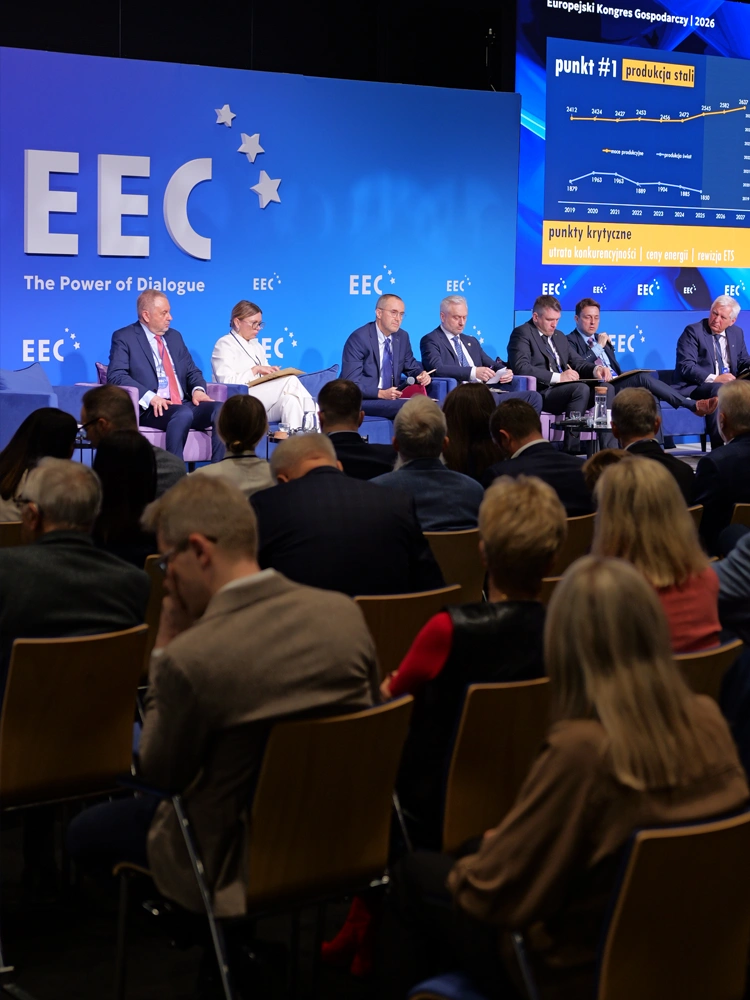
The “The Iron and Steel Industry” panel at the European Economic Congress in Katowice emerged as one of the key discussions of this year’s edition, addressing the foundations of competitiveness of the European steel sector and its importance for economic and defense security. The debate focused on rising energy costs, regulatory pressure, and the challenges posed by global competition – particularly from producers outside the European Union.
Panelists agreed that the steel sector in the EU, including Poland, is currently operating under significantly more difficult conditions than its global competitors. High energy prices and ambitious climate regulations are driving up production costs, which – without adequate protective mechanisms – may lead to a loss of market share. In this context, market protection instruments and efforts to level the playing field are becoming increasingly important.
At the same time, speakers emphasized that the future of the industry depends not only on regulation but also on the ability to invest in specialized, high-value steel products. The development of segments such as high-strength steels and functional materials is not only a response to the needs of a modern economy but also an opportunity to build competitive advantages.
An important thread of the discussion was the role of steel production in the defense sector. In the context of a changing geopolitical landscape, the production of steel – especially advanced alloys and high-performance materials – is becoming one of the pillars of national security. Domestic production capacities and short supply chains were identified as key elements strengthening Europe’s economic independence.
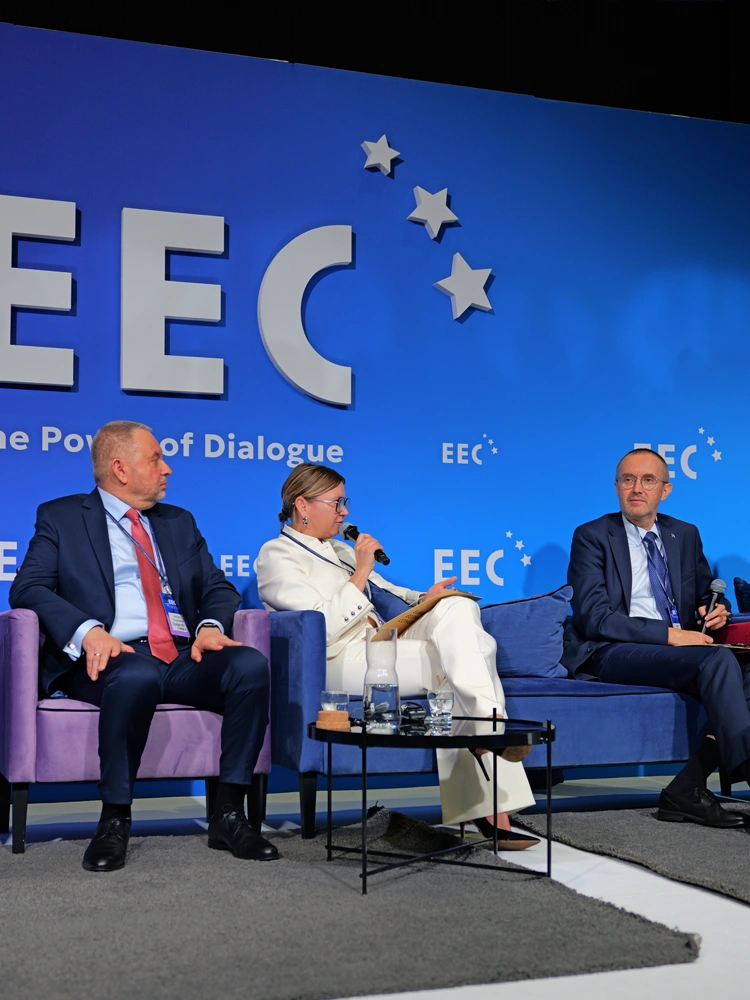
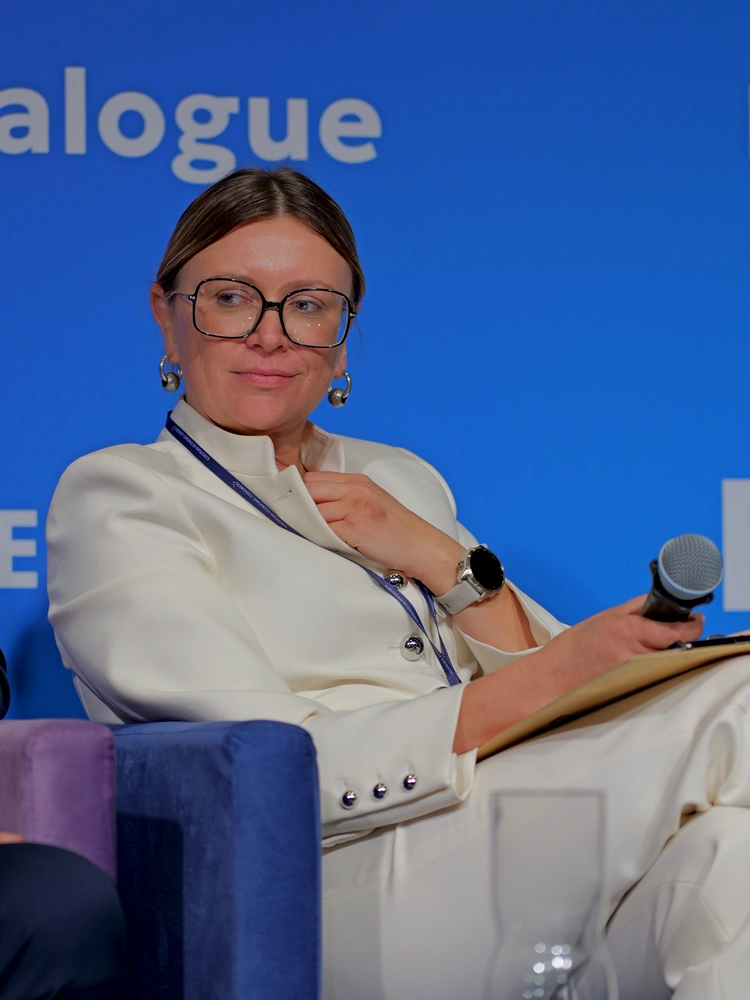
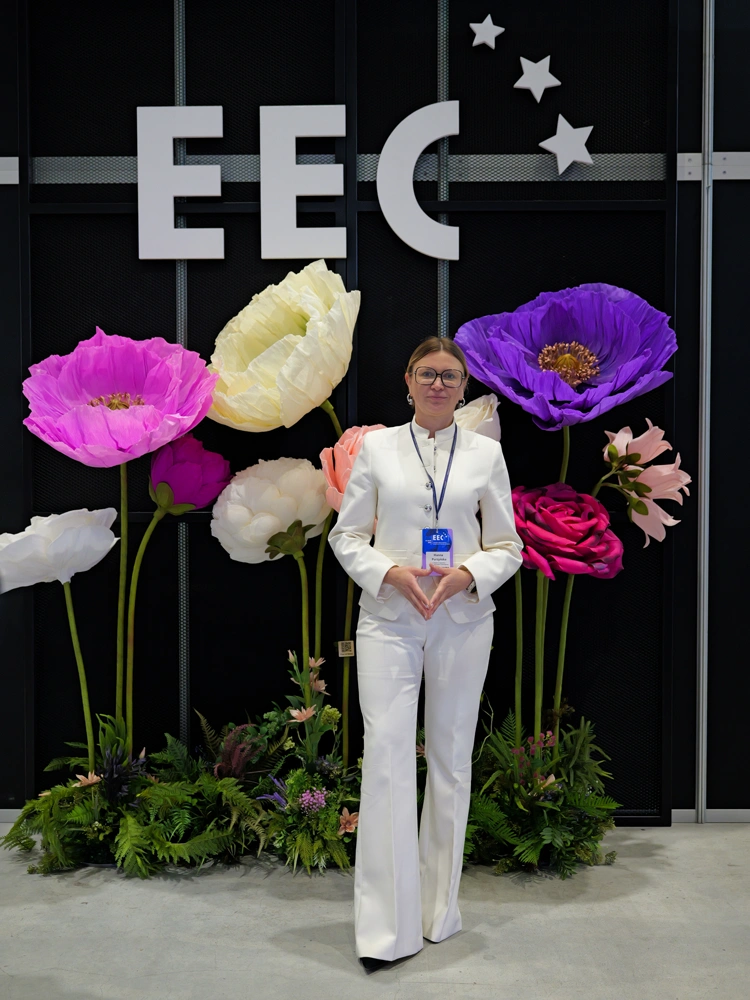
Among the speakers was Hanna Purzyńska from the Łukasiewicz – Upper Silesian Institute of Technology, who highlighted the importance of cooperation between science and industry and the development of advanced materials for strategic sectors.
As she noted: “We exist to act as a bridge between science and the economy – offering material, product, and process solutions that genuinely support industry and help fill technological gaps.”
The panelists – Henryk Orczykowski, Adam Preiss, Marek Serafin, Adrian Sienicki, Piotr Sikorski, and Tadeusz Telejko – agreed that the sector’s transformation must go hand in hand with maintaining its economic viability. In this context, a strong message also emerged about the need to focus on the end customer and real market demand.
The discussion clearly demonstrated that today, the steel industry is not merely an industrial sector but a key component of Europe’s strategic autonomy. Its future direction will determine not only the fate of the industry itself but also the resilience of the broader economy to global disruptions.